Summer landscapes tend to get most of the attention. Lawns are green, gardens are full, trees provide shade, and colorful plantings naturally draw the eye.
Then November arrives.
Once leaves fall and most perennial plants go dormant, the property looks very different. Features that may have blended quietly into the background during summer suddenly become much more visible. Walkways, retaining walls, entryways, evergreen plantings, exterior finishes, lighting, and the overall structure of the landscape begin doing more of the visual work.
That makes winter an interesting test of a property's design.
Strong winter curb appeal in Vermont doesn't require trying to recreate a summer landscape in January. Instead, it comes from having enough structure, contrast, maintenance, and year-round interest to keep the property feeling intentional even after the growing season ends.
Start With the Structure of the Landscape
Once deciduous trees lose their leaves and flowers disappear, the underlying design of the property becomes much easier to see.
This includes the relationship between the home, driveway, front walk, garden beds, lawn, retaining walls, trees, and other permanent landscape features.
A well-designed property usually still has a clear shape in winter. Walkways lead naturally toward the entrance. Planting beds help frame the house. Trees and shrubs provide visual balance. Hardscaping gives the landscape definition even when most plants are dormant.
If a property feels especially bare once fall ends, it may be relying too heavily on seasonal foliage for visual interest.
This is one reason designing a four-season landscape can make such a difference. A landscape planned around the full year uses permanent structure and a mix of plant material so the property doesn't lose all of its character at the first frost.
Use Evergreens Strategically
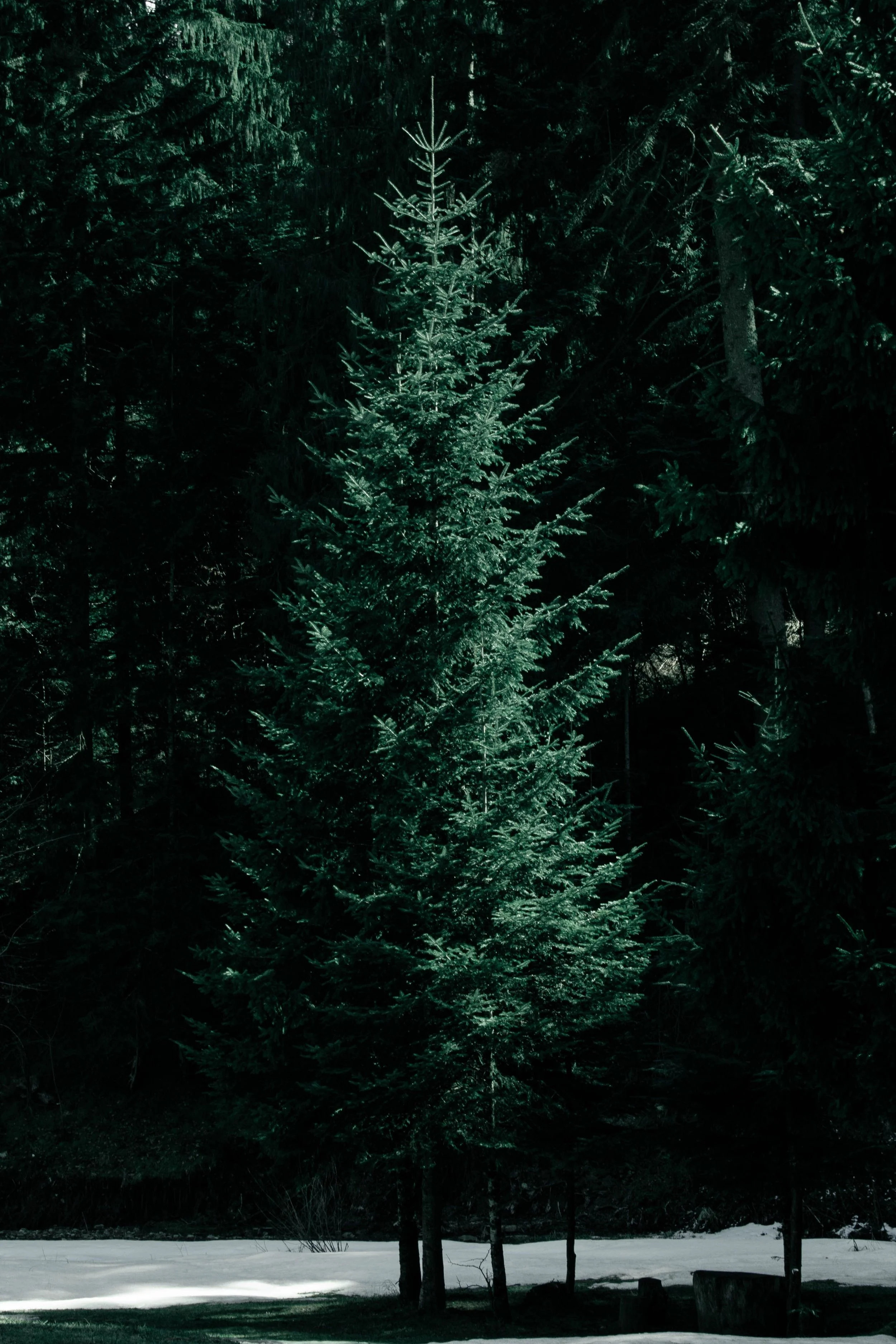
Evergreens become some of the hardest-working plants in a Vermont landscape during winter.
While deciduous plants are bare, evergreen trees and shrubs continue providing color, volume, privacy, and structure. They can help frame a front entry, soften the corners of a home, screen neighboring properties, or provide a backdrop for other landscape features.
That doesn't mean every bed needs to be filled with evergreens.
Too many identical plants can make a property feel heavy or overly formal. A more natural approach often uses evergreen material selectively alongside deciduous shrubs, ornamental grasses, trees, and hardscape features.
The goal is balance.
A few well-placed evergreens can make the entire landscape feel more complete in winter while still allowing plenty of seasonal variety during spring and summer.
Pay Attention to the Front Walk and Entry
The path to the front door is one of the first things visitors notice throughout the year, but it becomes especially prominent once the landscape is stripped back for winter.
A clear, well-defined walkway gives the property a sense of order.
The condition of the walkway matters too. Uneven surfaces, worn edges, drainage problems, or a route that feels awkward become more noticeable when colorful landscaping is no longer competing for attention.
If the front walk is part of a larger landscape update, its material, width, shape, and connection to the driveway or entry should all work with the architecture of the house.
The same principles that apply when blending new hardscaping with an existing home and landscape are particularly important at the front of the property, where every element contributes to the first impression.
Let Hardscaping Carry Some of the Visual Weight
Patios, walls, walkways, steps, and stonework become much more noticeable after the growing season.
During summer, plants can soften these surfaces considerably. In winter, hardscaping may become one of the dominant visual elements of the property.
That makes good material selection and installation especially important.
Natural stone, pavers, retaining walls, and other hardscape features should complement the home even when they're surrounded by dormant plants or snow. Their color, texture, scale, and layout all influence the overall character of the property.
They also need to withstand Vermont conditions.
Freeze-thaw cycles, snow, ice, drainage, and changing temperatures can all affect hardscape performance, which is why choosing the right hardscape materials for Vermont's climate involves more than appearance alone.
Good winter curb appeal depends on features that both look appropriate and continue to function properly through the colder months.
Keep the Property Looking Maintained
Winter curb appeal isn't only about design.
Basic upkeep becomes even more noticeable once the landscape is simpler.
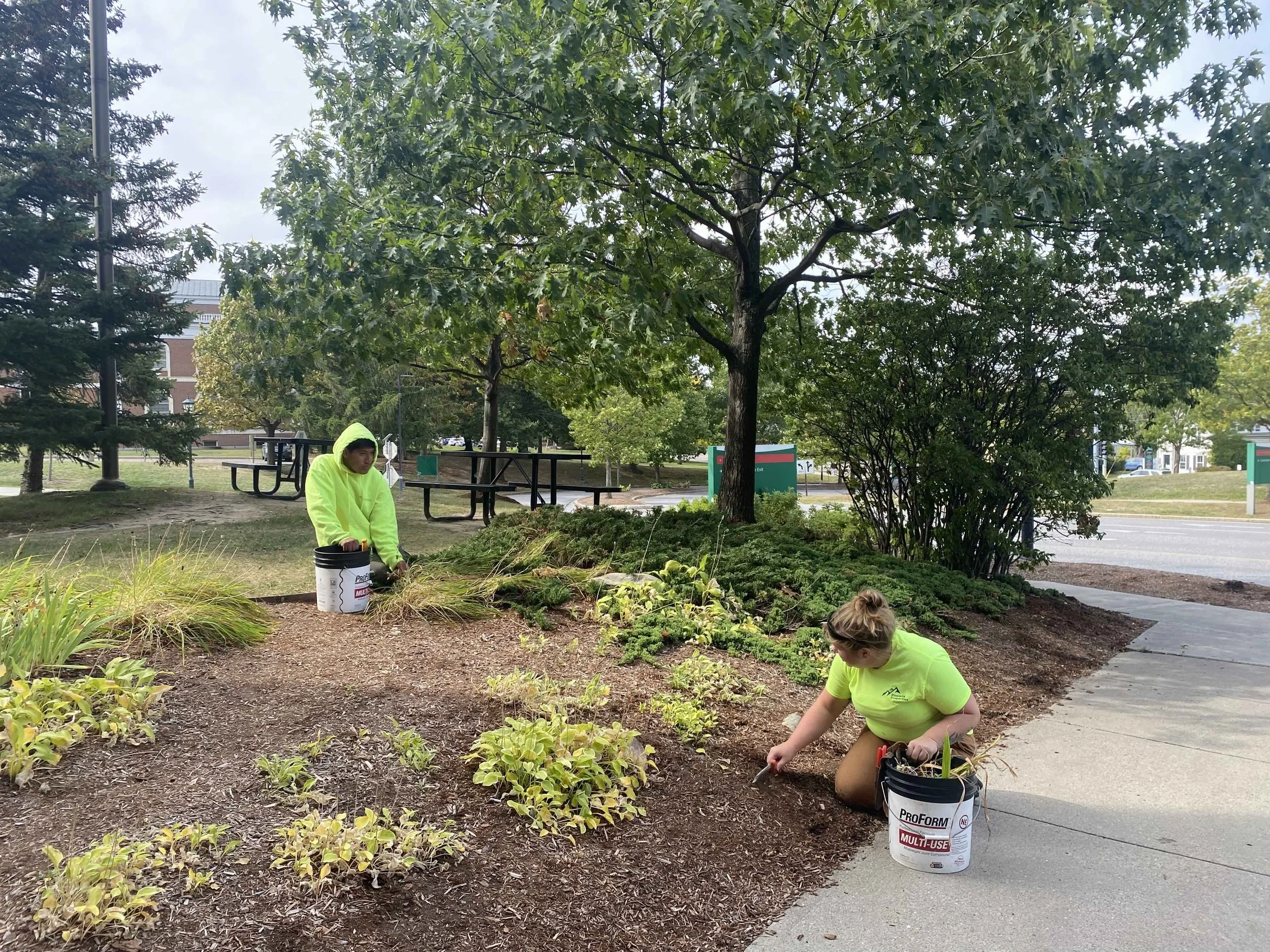
Leaves left piled around entry areas, fallen branches, neglected beds, overgrown shrubs, or debris around walkways can make an otherwise attractive property feel unfinished.
Fall cleanup helps create a cleaner transition into winter. Removing excess leaves, tidying beds where appropriate, completing seasonal pruning, and addressing obvious debris allows the property's stronger features to stand out.
This doesn't mean every garden needs to be cut completely to the ground.
Some ornamental grasses, seed heads, and perennial structures can provide valuable winter texture. The goal is to distinguish between intentional seasonal interest and areas that simply look neglected.
A thoughtfully maintained landscape can still feel natural without looking overly manicured.
Use Winter Texture Instead of Relying Only on Color
Winter landscapes have a more limited color palette, but they can still have plenty of visual interest.
Texture becomes especially important.
Evergreen needles, ornamental grasses, exposed tree bark, stone walls, branching patterns, seed heads, and even the contrast between snow and darker landscape materials can all contribute.
Plants with interesting bark or strong branching habits may barely stand out in summer but become focal points once their leaves are gone.
Similarly, stonework that blends quietly into lush summer planting may become a defining feature during January.
Thinking about texture gives homeowners another way to create interest without trying to force constant color into every season.
Frame the Front of the House
Good curb appeal often comes down to framing.
Trees, shrubs, planting beds, walkways, and hardscape elements should help lead attention toward the home rather than compete with it.
In winter, this relationship becomes clearer.
If shrubs are too large for their location, they may overwhelm windows or entryways even after losing their leaves. If the front foundation has no evergreen or structural planting at all, the house may feel disconnected from the surrounding landscape.
The most effective front landscapes often use a mix of low, medium, and taller plant material to create depth while keeping important architectural details visible.
The design should support the house rather than hide it.
Don't Ignore Retaining Walls and Changes in Grade
Sloped properties can look especially different in winter because vegetation no longer hides changes in elevation.
Retaining walls, slopes, terraces, and steps become much more prominent.
When these elements are well integrated into the landscape, they can add visual interest and help organize the property. When they're deteriorating, poorly placed, or disconnected from the surrounding design, winter tends to make those problems easier to notice.
Retaining walls are also functional features, not simply decorative ones.
A well-planned wall can improve drainage, function, and usable space, particularly on properties with significant grade changes.
If a wall or slope looks problematic during winter, that may be a useful sign that it deserves attention during future landscape planning.
Add Lighting Where It Has a Purpose
Winter brings shorter days, so exterior lighting plays a larger role in both function and appearance.
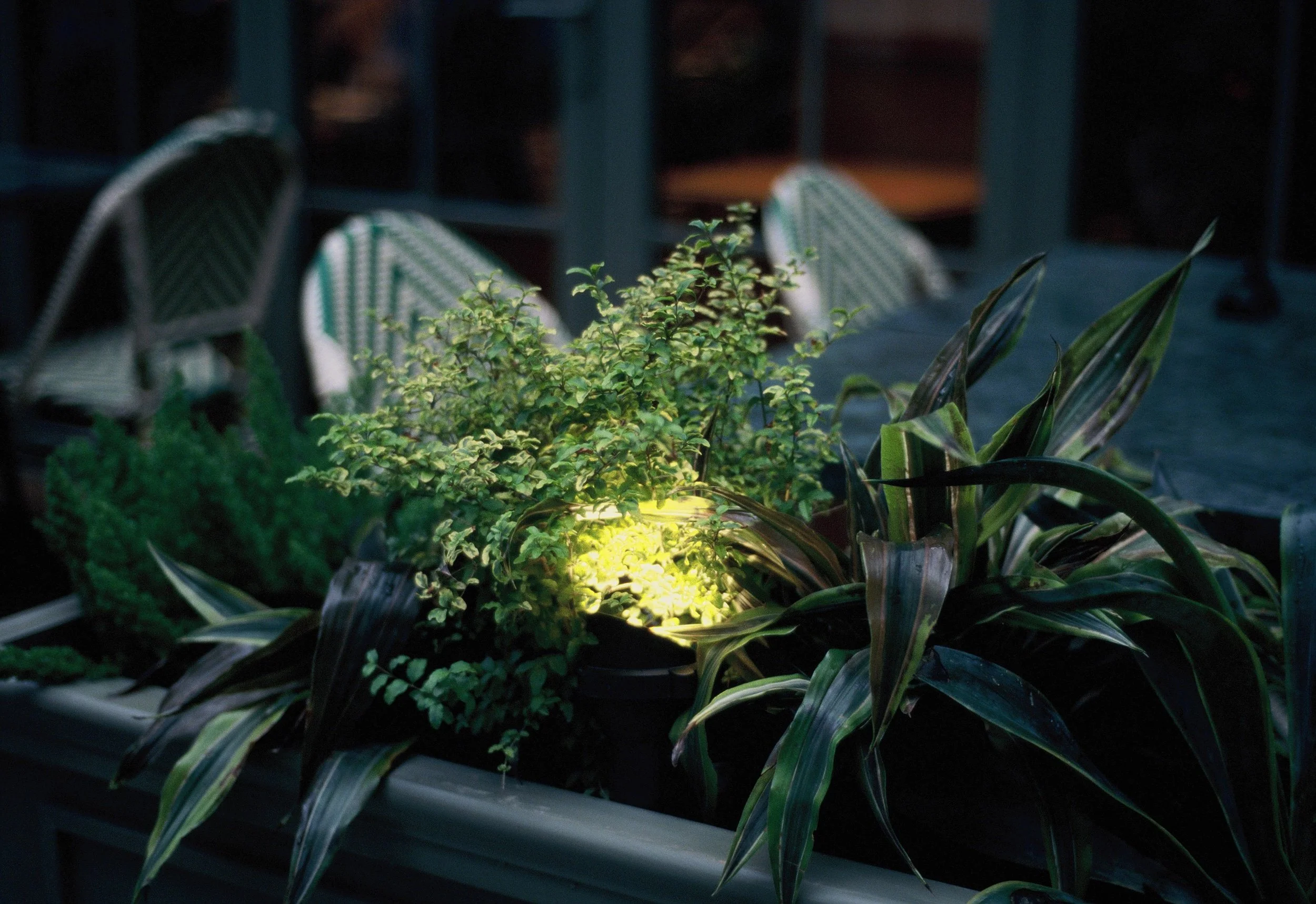
Good lighting can make an entry feel more welcoming while improving visibility along steps and walkways. Landscape lighting can also highlight trees, stonework, walls, or architectural features after dark.
The strongest results usually come from restraint.
The goal isn't to make the entire property brightly lit. Instead, lighting can be layered so certain features stand out while pathways and entry areas remain easy to navigate.
Soft lighting can give a property a polished appearance on dark winter afternoons without overwhelming the landscape.
It can also help the home's exterior remain visually connected to the landscape during months when much of the surrounding planting is dormant.
Think About Snow as Part of the Landscape
Snow dramatically changes the appearance of a Vermont property.
It simplifies the landscape, covers smaller details, and makes trees, walls, walkways, and other structural elements stand out.
This can actually make a well-designed property look especially striking.
But snow also affects how the landscape functions.
Driveways and walkways need space to be cleared. Snow has to be stored somewhere. Plants near plowed areas may experience heavier snow loads. Poorly positioned landscape features can make routine winter maintenance more difficult.
When planning future improvements, it's worth considering where snow typically accumulates and how the property is used during winter.
A landscape that works well in all four seasons should make room for those practical realities.
Keep Walkways and Driveways Clear and Defined
Nothing makes a property feel less inviting in winter than an unclear route to the entrance.
Keeping driveways, walkways, and steps properly cleared doesn't just improve safety. It also preserves the visual organization of the property.
When snow begins to cover the landscape, cleared paths become strong lines that guide people through the space.
That makes the layout of those paths even more important.
A walkway that feels direct and natural in summer will generally be easier to use in winter as well. Conversely, an awkward path across a poorly drained area can become even more inconvenient once snow and ice arrive.
This is one of the reasons circulation should be considered early in landscape design rather than added after everything else has been decided.
Look at Your Property From the Street
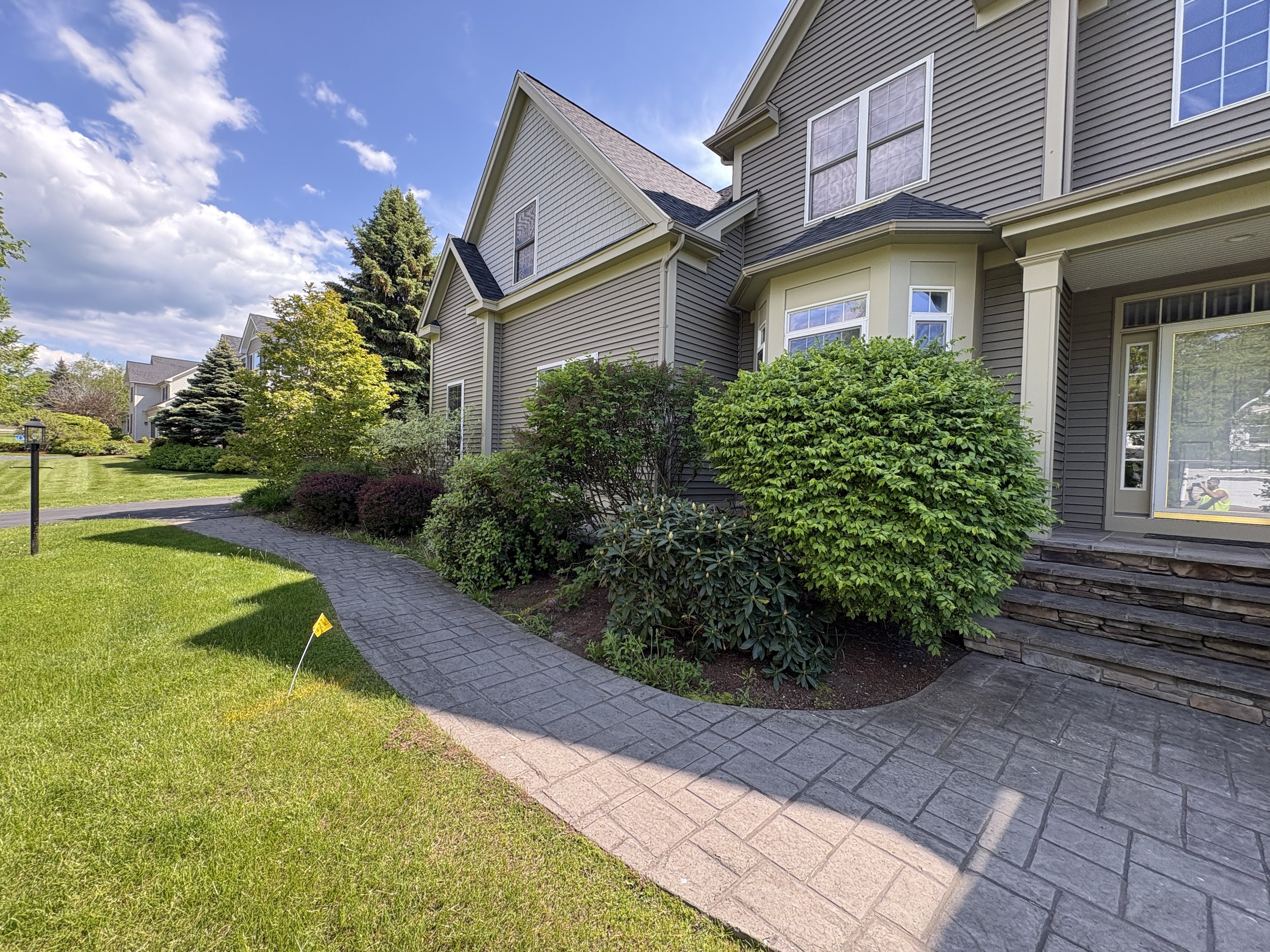
One useful way to evaluate winter curb appeal is to step back and look at the property as a visitor would.
View it from the road or driveway.
What draws your eye first? Does the entrance feel obvious? Do the planting beds still frame the home? Are evergreen plants providing enough structure? Does a walkway connect clearly to the front door?
You may notice things from this perspective that aren't as obvious when you're standing close to the house.
A shrub may suddenly look out of scale. A large empty planting bed may feel unfinished. A walkway may seem disconnected from the driveway.
Winter removes many of the visual distractions present during summer, which makes it a useful season for evaluating the basic composition of the property.
Exterior Condition Matters More Once the Landscape Is Bare
Once leaves and flowers disappear, more attention naturally shifts toward the house itself.
Faded or peeling paint, worn trim, tired entry areas, and other exterior details can become much more noticeable against a simplified winter landscape.
That doesn't mean every exterior project should be completed in the middle of winter. Weather and product requirements matter for exterior painting and repairs.
But winter can still be a useful time to identify what may need attention once conditions improve.
If the property already has strong landscaping and hardscaping, refreshing exterior painted surfaces can sometimes be the finishing touch that helps everything feel more cohesive.
Pinnacle Properties' painting services can also be considered alongside other property improvements when planning future updates.
Use the Off-Season to Spot Opportunities
One of the best things about looking at your property in November or December is that weaknesses are easier to see.
Without full foliage, you can evaluate the basic layout more clearly.
Maybe the front landscape needs stronger year-round planting. Perhaps an old walkway should be replaced. A retaining wall may need attention. You might realize the entry needs better lighting or that one section of the property lacks definition once summer plants disappear.
These observations are valuable.
You don't necessarily need to make changes immediately. Winter can simply become an opportunity to identify priorities and begin thinking about what would make the property work better next year.
That approach pairs well with a fall landscape assessment, which can help homeowners turn seasonal observations into a more thoughtful plan for future improvements.
Plan Improvements as One Complete Property
Curb appeal improves most when the landscape, hardscaping, home, and maintenance all feel connected.
Replacing a walkway can make a difference. Adding evergreen planting can help. Updating an entry can create a stronger focal point.
But the biggest improvement often comes from thinking about how those pieces work together.
For example, a new front walk might be paired with revised planting beds. A retaining wall could improve both grade and appearance. New exterior colors may influence which hardscape or planting materials feel most appropriate.
This is where professional landscape design can create better long-term results. Instead of treating each improvement as a separate project, the property can be considered as one complete space.
Winter Curb Appeal Is Really About Year-Round Design
The strongest winter properties aren't necessarily the ones with the most landscaping.
They're the ones where the permanent elements are doing their jobs.
The home is framed well. Walkways feel intentional. Hardscape materials complement the architecture. Evergreen plants provide enough structure. Lighting makes the entrance welcoming. Seasonal maintenance keeps everything looking cared for.
Summer flowers and foliage then become an added layer rather than the only thing making the property attractive.
That distinction is important in Vermont, where a landscape may spend months without dense foliage.
A property designed with all four seasons in mind simply has more to offer throughout the year.
Frequently Asked Questions About Winter Curb Appeal
How can I improve winter curb appeal in Vermont?
Focus on year-round structure. Evergreen planting, attractive hardscaping, defined walkways, exterior lighting, seasonal cleanup, and a well-maintained entry can all help a property remain visually appealing after deciduous plants lose their leaves.
What plants help a landscape look good in winter?
Evergreen trees and shrubs are useful because they retain foliage throughout the year. Ornamental grasses, trees with interesting bark or branching patterns, and certain perennials can also provide winter texture and structure.
Should all perennial plants be cut back before winter?
Not necessarily. Some grasses, seed heads, and perennial stems can add texture and visual interest through the colder months. What should be left standing depends on the plant, property, appearance, and maintenance needs.
How does hardscaping improve winter curb appeal?
Patios, walkways, retaining walls, steps, and stonework provide permanent structure when plants are dormant. Well-chosen materials can help the landscape remain visually interesting even when much of the property is covered in snow.
Can outdoor lighting improve curb appeal during winter?
Yes. Lighting can highlight entryways, walkways, trees, stonework, and architectural features while also improving visibility during shorter winter days.
Is winter a good time to plan landscape improvements?
Yes. Once foliage is gone, homeowners can often see the underlying structure of the landscape more clearly. Winter can be a useful time to identify problems and begin planning improvements for the following season.
Keep Your Property Looking Good Through Every Season
A Vermont property shouldn't need summer foliage to look finished.
Good winter curb appeal comes from thoughtful design, durable hardscaping, year-round planting, clean circulation, lighting, maintenance, and an exterior that feels connected to the landscape around it.
Once the leaves are gone, those foundational elements become easier to see.
For homeowners and property owners in Chittenden County, Pinnacle Properties can help improve the way a property looks and functions throughout the year. Whether you're considering new landscaping, hardscaping, planting, retaining walls, property maintenance, or painting, looking at the property as a whole can lead to a more cohesive finished result.
Learn more about Pinnacle Properties' landscaping services, explore the landscape design process, or learn more about professional painting services.