How to Choose the Right Hardscape Materials for Vermont's Climate
When planning a new patio, walkway, retaining wall, or outdoor living space, selecting the right materials is one of the most important decisions you'll make. While aesthetics often drive initial choices, Vermont homeowners also need to consider how materials will perform through freezing winters, wet springs, and year-round weather fluctuations.
A beautiful outdoor space should be more than attractive—it should be built to last. Choosing materials that can withstand Vermont's climate helps protect your investment while reducing maintenance and repair costs over time.
If you're considering a landscape installation project, here's what to know about selecting hardscape materials that combine durability, function, and lasting visual appeal.
Why Vermont's Climate Matters
Not every hardscape material performs well in northern climates. Vermont experiences frequent freeze-thaw cycles, significant snow accumulation, spring runoff, and seasonal temperature swings that can put stress on outdoor surfaces.
These conditions can cause:
Cracking
Shifting
Settling
Surface deterioration
Drainage issues
Materials that work well in warmer climates may not provide the same longevity here. That's why it's important to choose products and installation methods specifically suited to New England conditions.
Start with the Purpose of the Space
Before selecting materials, consider how the space will be used.
Different outdoor features have different performance requirements.
Patios
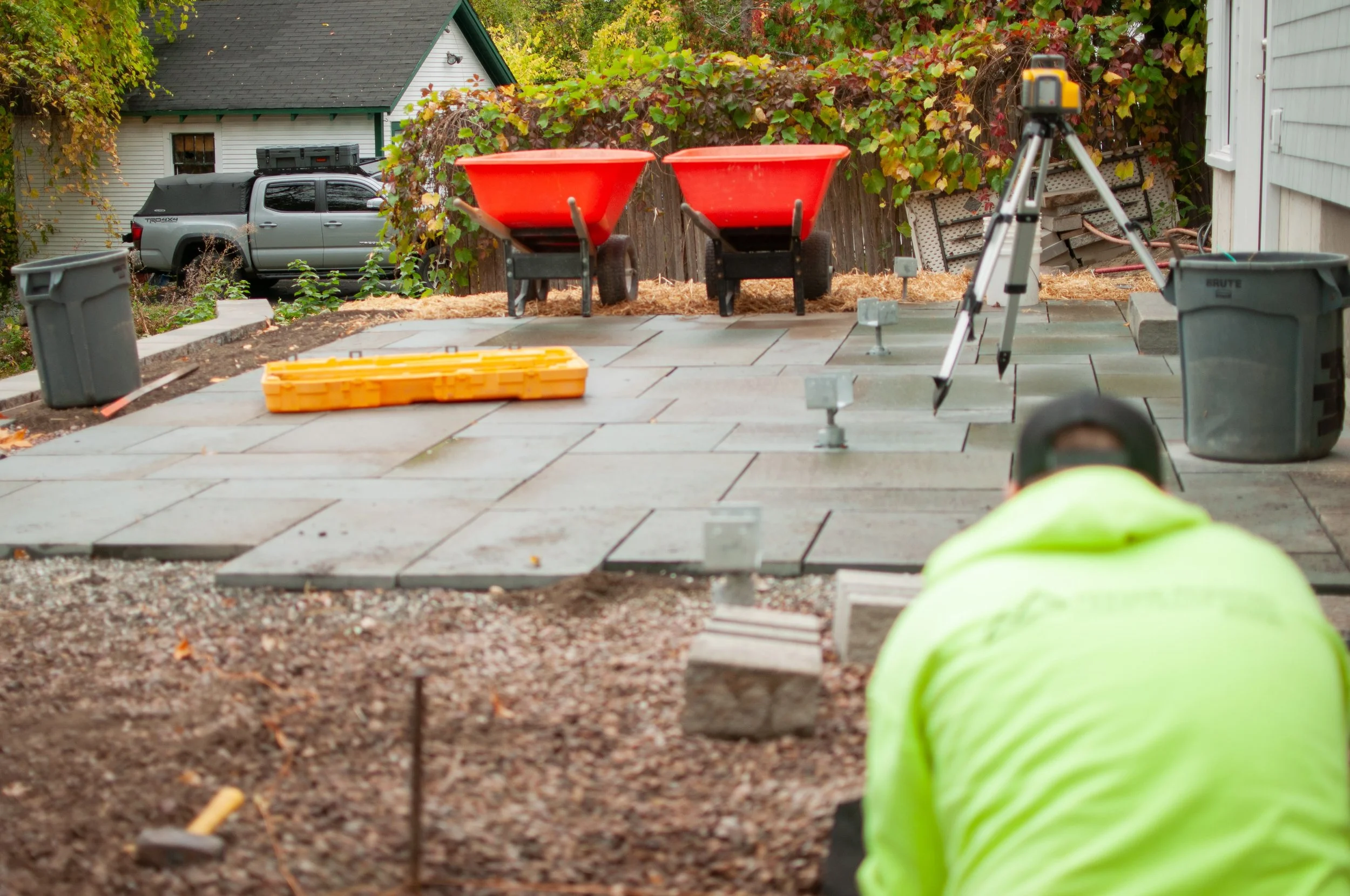
Patios should be durable, comfortable underfoot, and visually complement the home.
Popular options include:
Natural stone
Concrete pavers
Architectural slab systems
Walkways
Walkways should prioritize safety, stability, and ease of maintenance.
Key considerations include:
Slip resistance
Drainage
Snow removal compatibility
Retaining Walls
Retaining walls must perform structurally while also enhancing the property's appearance. Retaining walls improve drainage, function, and property value as well.
Material selection should account for:
Soil pressure
Drainage requirements
Long-term durability
Choosing materials based on function first often leads to better long-term results.
Natural Stone: Timeless Beauty and Durability
Natural stone remains one of the most popular hardscape materials in Vermont.
Advantages include:
Unique appearance
Excellent durability
Natural integration with Vermont landscapes
Long lifespan
Natural stone works particularly well for:
Patios
Walkways
Garden pathways
Accent features
Because no two stones are identical, natural stone installations create a distinctive look that complements both traditional and contemporary homes.
While natural stone often represents a larger upfront investment, many homeowners appreciate its long-term value and enduring appeal.
Concrete Pavers: Flexible and Versatile
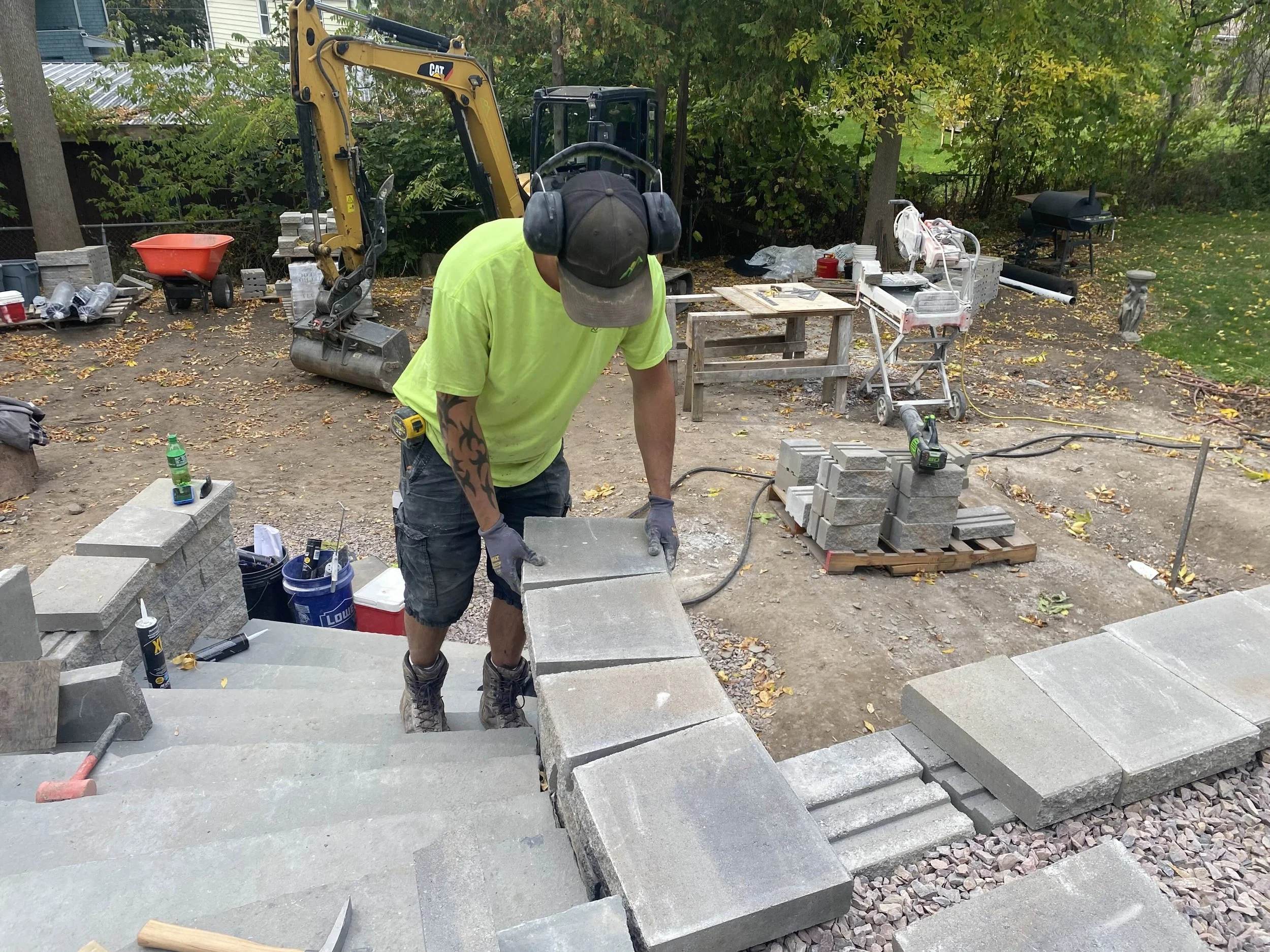
Concrete pavers are another excellent option for Vermont properties.
Benefits include:
Wide range of colors and styles
Design flexibility
Ease of repair if individual units become damaged
Strong performance in freeze-thaw environments
Unlike poured concrete, paver systems allow for slight movement without significant cracking, making them well-suited for Vermont's seasonal ground movement.
Pavers are commonly used for:
Patios
Walkways
Courtyards
Outdoor gathering spaces
When installed properly, they provide both durability and design versatility.
Why Poured Concrete Isn't Always the Best Choice
While poured concrete may seem like a simple solution, it often faces challenges in climates with significant freeze-thaw activity.
Potential issues include:
Cracking
Surface scaling
Settling over time
Although concrete can be appropriate in certain applications, homeowners should understand its limitations and discuss alternatives with their landscape contractor when planning long-term installations.
Choosing Materials for Retaining Walls
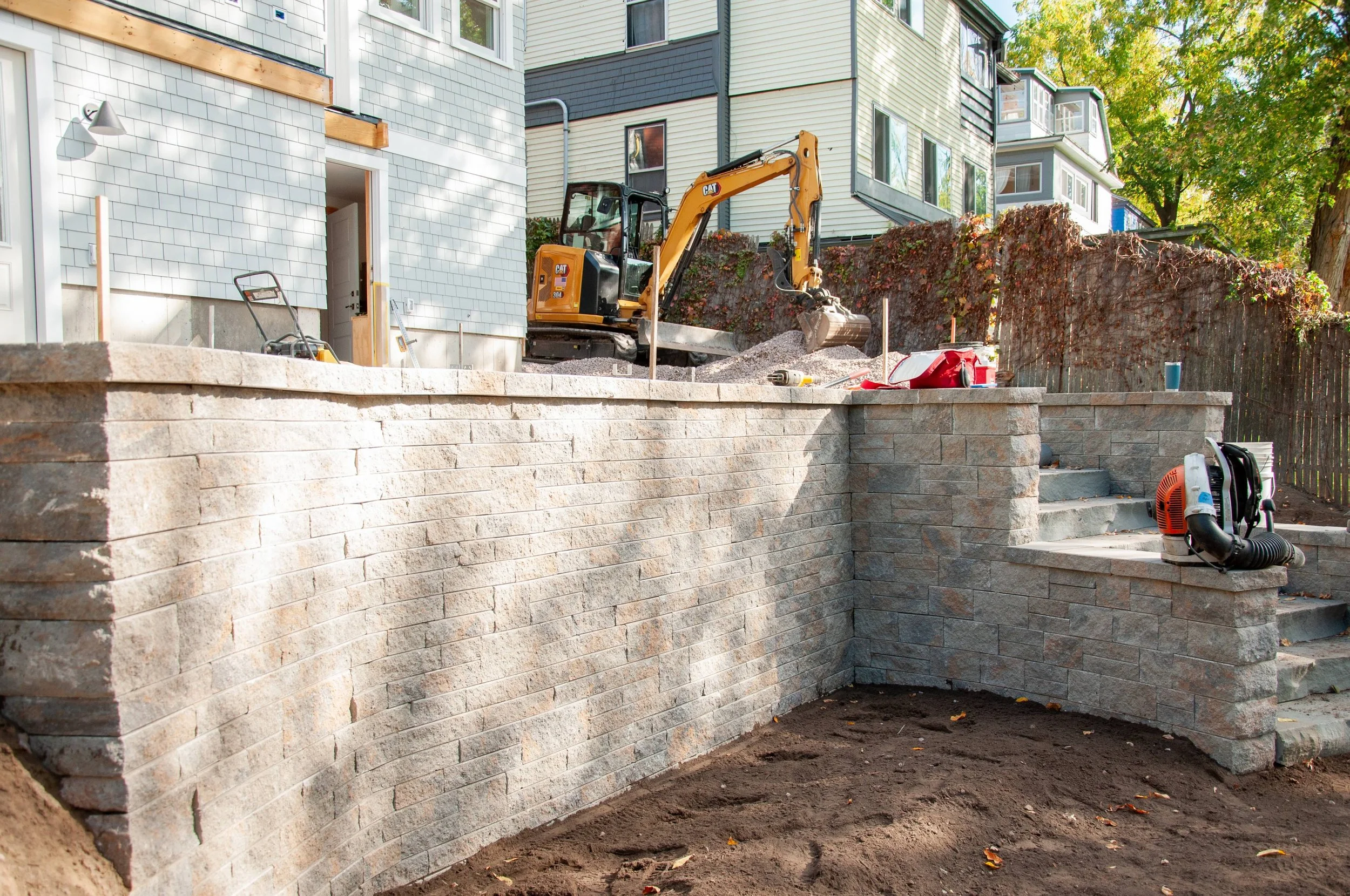
Retaining walls play an important role in many Vermont landscapes, particularly on sloped properties.
The right wall system should provide:
Structural stability
Effective drainage
Long-term durability
Visual appeal
Modern retaining wall systems are designed to handle Vermont's changing conditions while complementing patios, walkways, and surrounding landscape features.
A professional design-build approach ensures the wall is engineered correctly and integrated into the property's overall layout.
Consider Maintenance Requirements
Some homeowners prefer materials that require minimal upkeep, while others prioritize aesthetics above all else.
Questions to ask include:
How often will the material need cleaning?
Will it require sealing?
How easily can repairs be made?
How will it look after several Vermont winters?
Balancing maintenance expectations with design goals helps ensure long-term satisfaction with the finished project.
Don't Overlook Drainage
Even the highest-quality materials can fail if drainage is not properly addressed.
Proper drainage helps prevent:
Water pooling
Frost heaving
Erosion
Surface movement
A successful hardscape project combines durable materials with proper grading, base preparation, and water management.
This is one reason why professional installation is so important.
Matching Materials to Your Home's Architecture
Hardscape materials should complement the style and character of your property.
For example:
Traditional Homes
Often pair well with:
Natural stone
Textured pavers
Classic color palettes
Contemporary Homes
May benefit from:
Clean-lined pavers
Large-format slabs
Modern design elements
The goal is to create an outdoor space that feels like a natural extension of the home.
Think Long-Term
When comparing material options, it can be helpful to think beyond immediate appearance or installation costs.
Consider:
Expected lifespan
Maintenance requirements
Performance during Vermont winters
Future landscape plans
Investing in quality materials from the beginning often results in fewer repairs and better long-term value.
Why Professional Guidance Matters
Choosing hardscape materials involves more than selecting colors and textures.
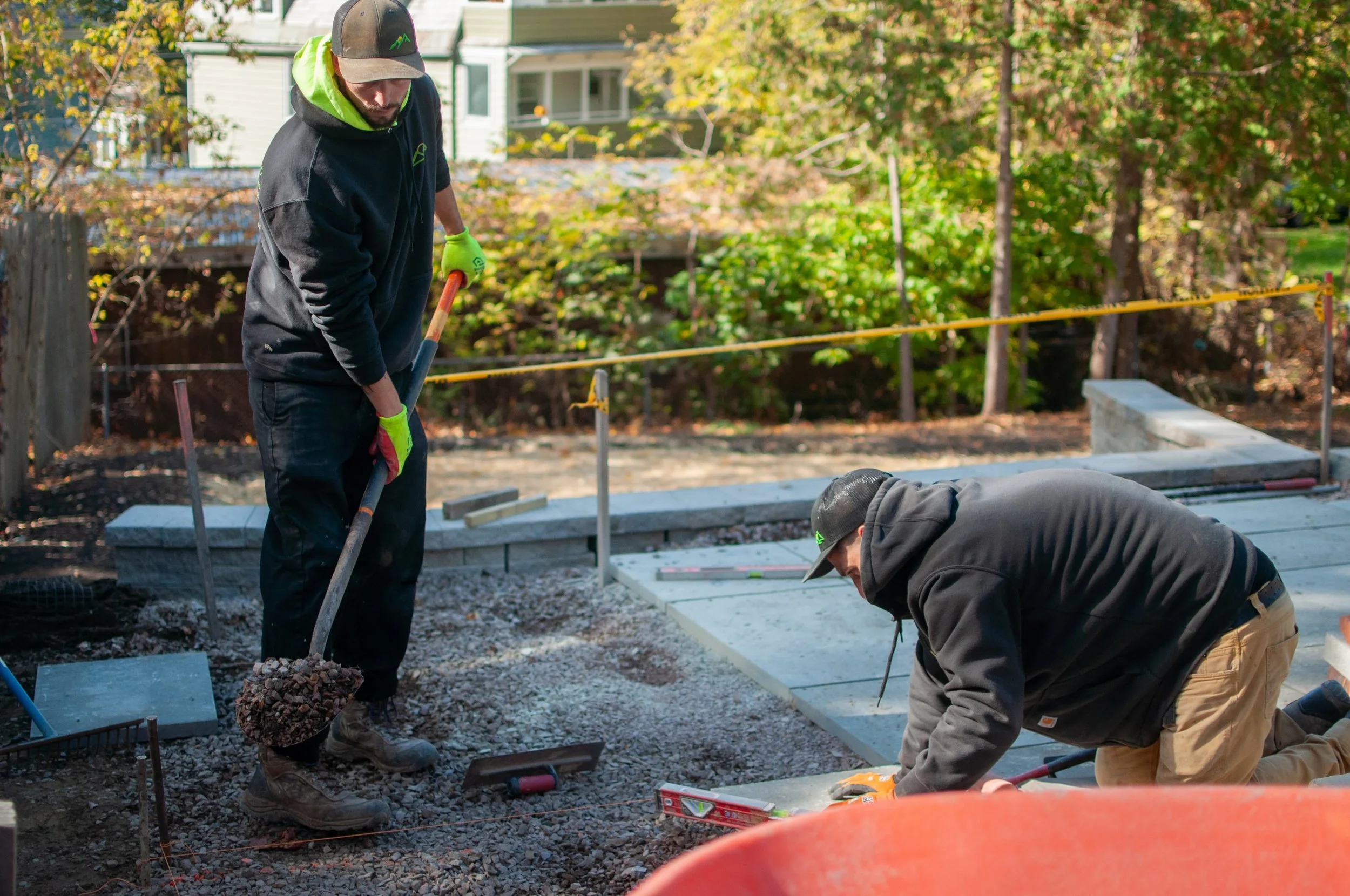
A professional design-build team evaluates:
Site conditions
Drainage requirements
Elevation changes
Intended use
Long-term performance
This helps ensure the materials selected are not only attractive but also appropriate for the property and climate.
At Pinnacle Properties, every design-build project begins with understanding how the space will function and what materials will perform best over time.
Build for Vermont, Not Just for Today
The best hardscape projects balance beauty, functionality, and durability. By choosing materials that are designed to withstand Vermont's climate, homeowners can enjoy outdoor spaces that continue performing year after year.
Whether you're planning a patio, walkway, retaining wall, or complete outdoor living area, thoughtful material selection is one of the most important steps in creating a landscape that's built to last.
Frequently Asked Questions About Hardscape Materials
What hardscape materials perform best in Vermont's climate?
Natural stone and quality concrete pavers are among the most popular options because they handle freeze-thaw cycles well and offer long-term durability.
Are pavers better than poured concrete in Vermont?
In many cases, yes. Pavers allow for slight movement during seasonal ground shifts, reducing the likelihood of major cracking.
What is the most durable material for a patio?
Natural stone is often considered one of the most durable patio materials when properly installed and maintained.
Do retaining wall materials need special drainage considerations?
Yes. Proper drainage is essential for retaining wall performance regardless of the material selected.
How do I choose the right material for my project?
The best choice depends on your property's conditions, intended use, design goals, and maintenance preferences. A professional design consultation can help identify the best solution.