Hardscapes That Add Value: Choosing the Right Patio, Walkway, or Retaining Wall for Your Property
Hardscapes are more than decorative features. Patios, walkways, and retaining walls shape how a property functions, how it feels to move through, and how well it performs over time. In Vermont, where weather and terrain can be demanding, the right hardscape installation adds not only visual appeal but lasting structural value.
If you’re considering a landscape upgrade, understanding which hardscape is right for your property—and why—can help you make a confident, long-term investment.
Why Hardscapes Matter in Vermont
Vermont’s freeze–thaw cycles, snow accumulation, and seasonal ground movement place significant stress on outdoor surfaces. Properly designed and installed hardscapes:
Improve safety and accessibility
Manage water and drainage effectively
Prevent erosion and soil movement
Increase usable outdoor space
Enhance property value
When built correctly, hardscapes provide both immediate functional benefits and long-term durability.
Choosing the Right Patio for Your Property
A patio often serves as the centerpiece of an outdoor space. It creates a defined area for gathering, dining, or relaxing while extending living space beyond the home.
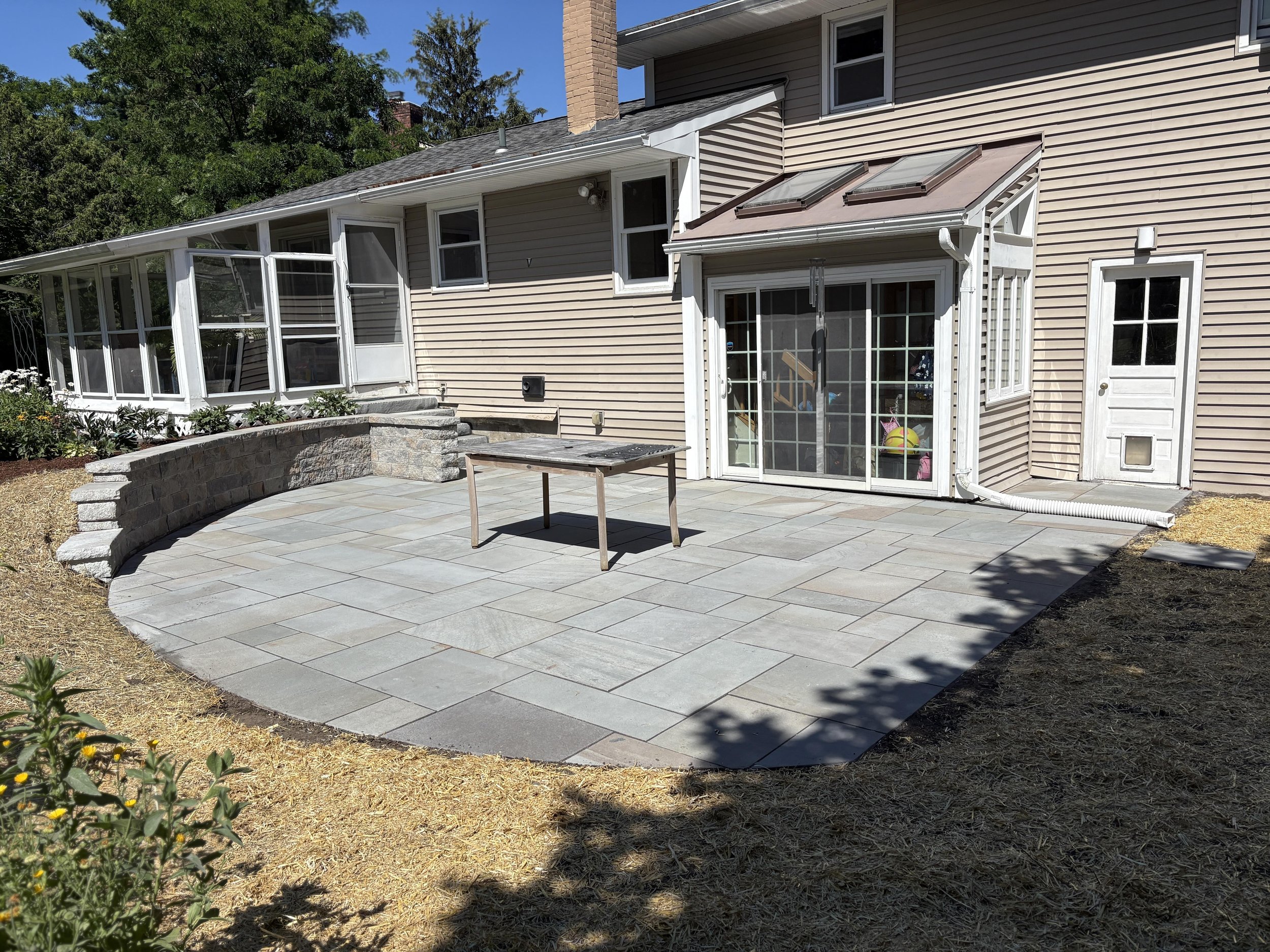
When a Patio Makes Sense
You want a dedicated outdoor living area
Entertaining is a priority
Existing outdoor space feels undefined
You’re looking to increase usable square footage
Key Design Considerations
A well-built patio in Vermont requires:
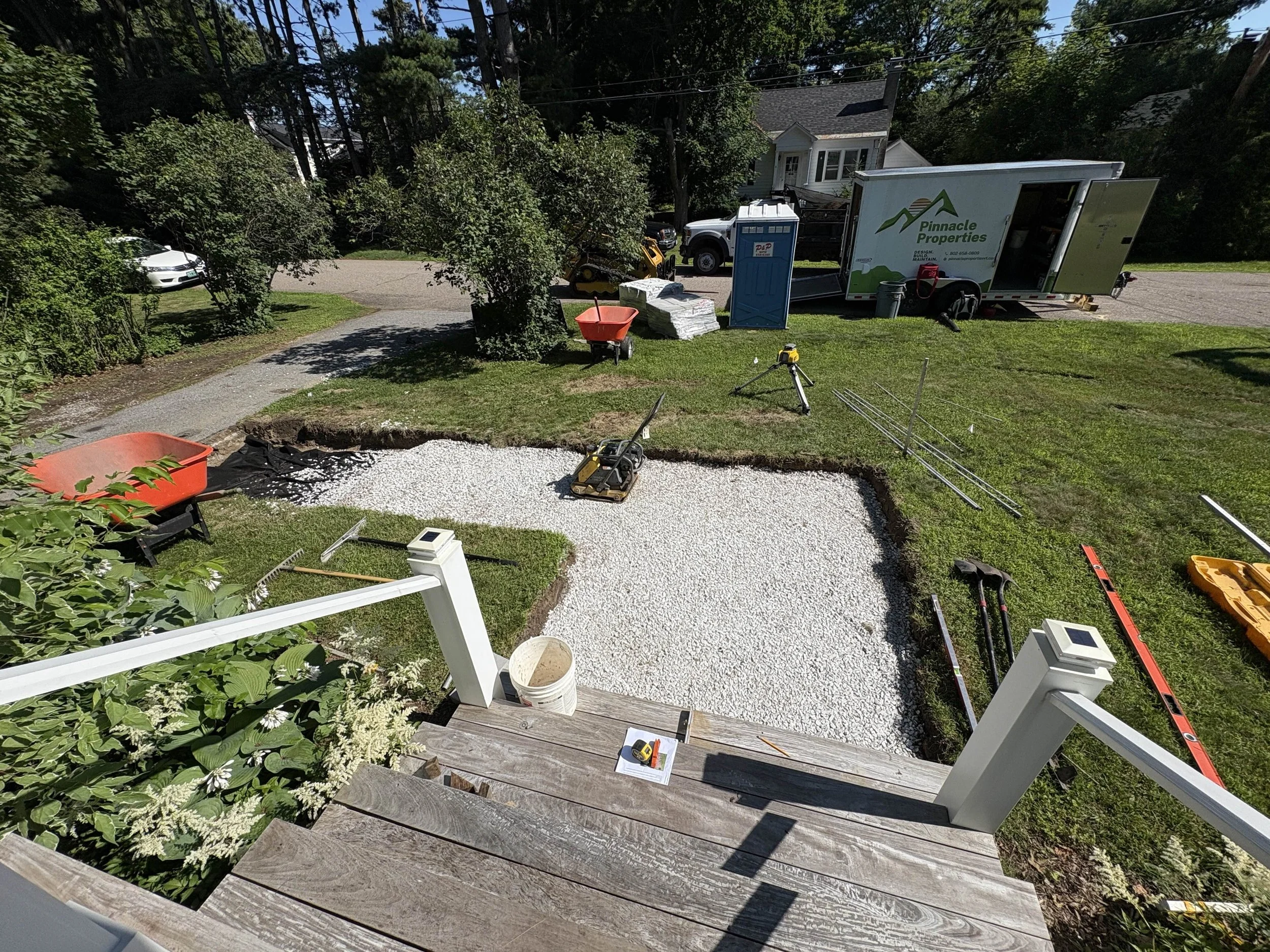
Proper excavation and base preparation
Materials suited to freeze–thaw conditions
Grading that directs water away from the home
Placement that integrates naturally with the property
Material selection plays a major role. Durable stone and paver systems designed for cold climates perform better over time than basic concrete slabs or improperly installed surfaces.
A thoughtfully designed patio doesn’t just look attractive—it becomes a functional extension of the home.
Improving Access with Walkways
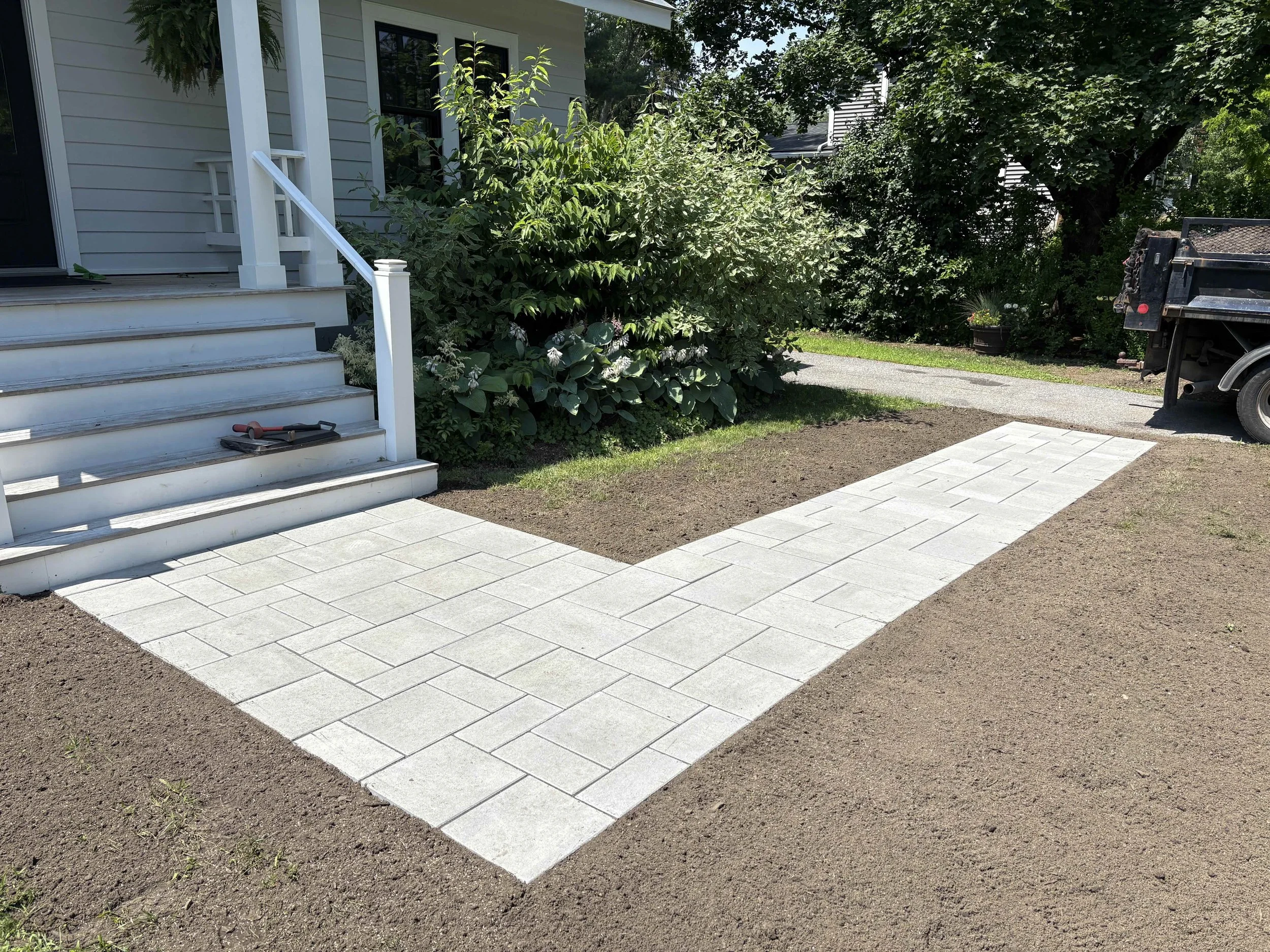
Walkways guide movement across a property. When designed correctly, they improve safety, organization, and curb appeal.
Signs You May Need a Walkway Upgrade
Worn or uneven paths
Muddy shortcuts forming across lawns
Poor access to entryways
Slippery or icy conditions in winter
What Makes a Walkway Last
Durable walkways require:
Stable base construction
Proper slope for drainage
Materials that resist shifting and cracking
Clear edge definition to withstand snow removal
Walkways may seem simple, but precision installation makes the difference between a surface that lasts and one that requires frequent repair.
The Structural Value of Retaining Walls
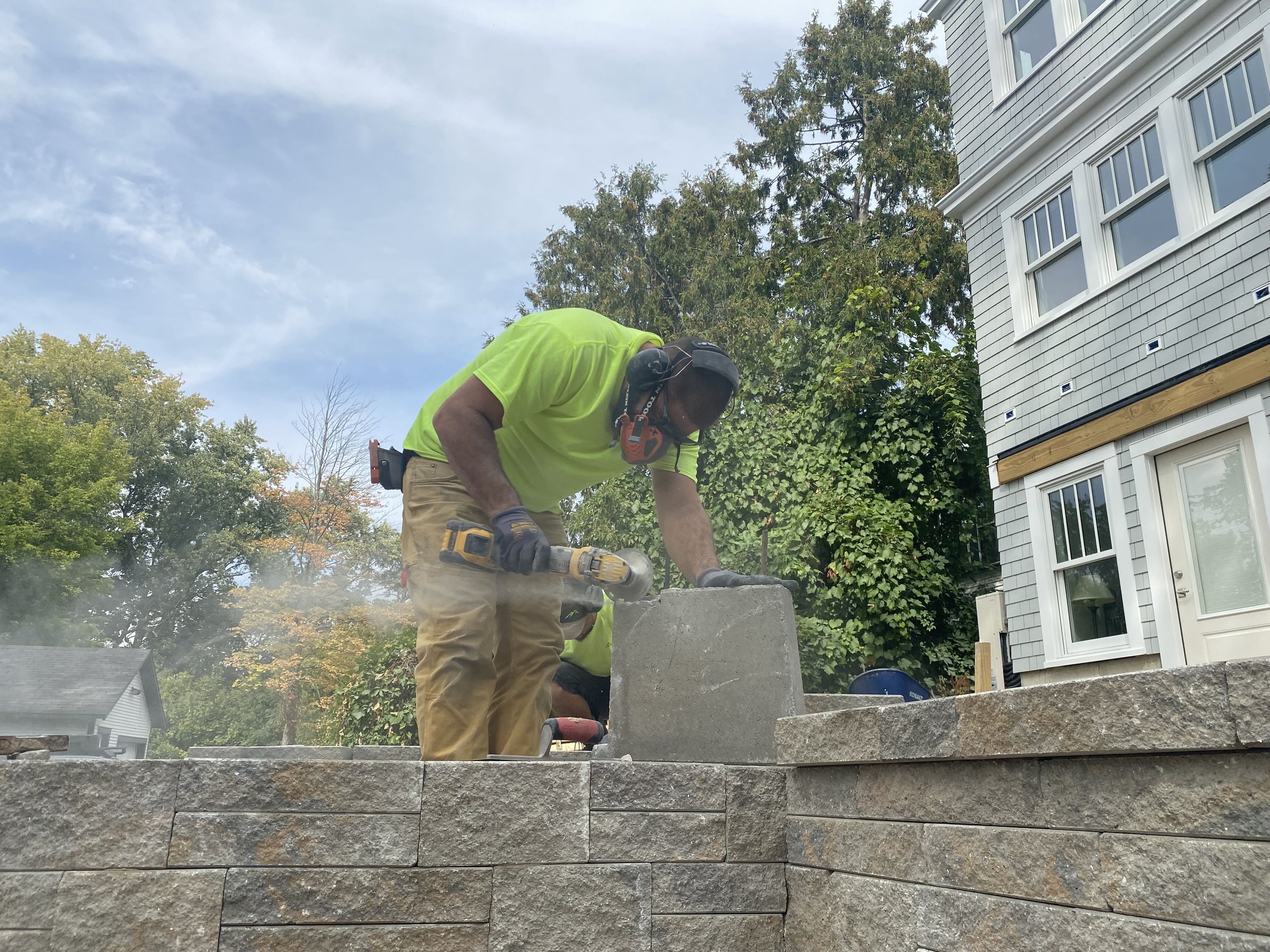
Retaining walls serve both functional and aesthetic purposes. In Vermont’s varied terrain, they are often essential for managing elevation changes and preventing erosion.
When a Retaining Wall Is Necessary
Sloped or uneven yards
Soil erosion issues
Water runoff problems
Need for level outdoor space
More Than Just Appearance
A professionally installed retaining wall:
Stabilizes soil and prevents shifting
Improves drainage control
Creates usable, level areas
Protects surrounding structures
Improperly built walls can lean, crack, or fail over time. That’s why structural integrity, drainage planning, and correct base preparation are critical components of any retaining wall installation.
Matching the Right Hardscape to Your Goals
Each property has unique needs. The best hardscape investment depends on your specific goals.
If Your Priority Is Outdoor Living:
A patio or integrated seating area may provide the most value.
If Safety and Access Are Top Concerns:
Upgraded walkways and defined entry paths may be the right starting point.
If You’re Addressing Structural or Drainage Issues:
Retaining walls and grading improvements should take precedence.
Often, the most successful projects combine multiple elements into a cohesive design. A unified approach ensures hardscapes work together rather than feeling added in phases.
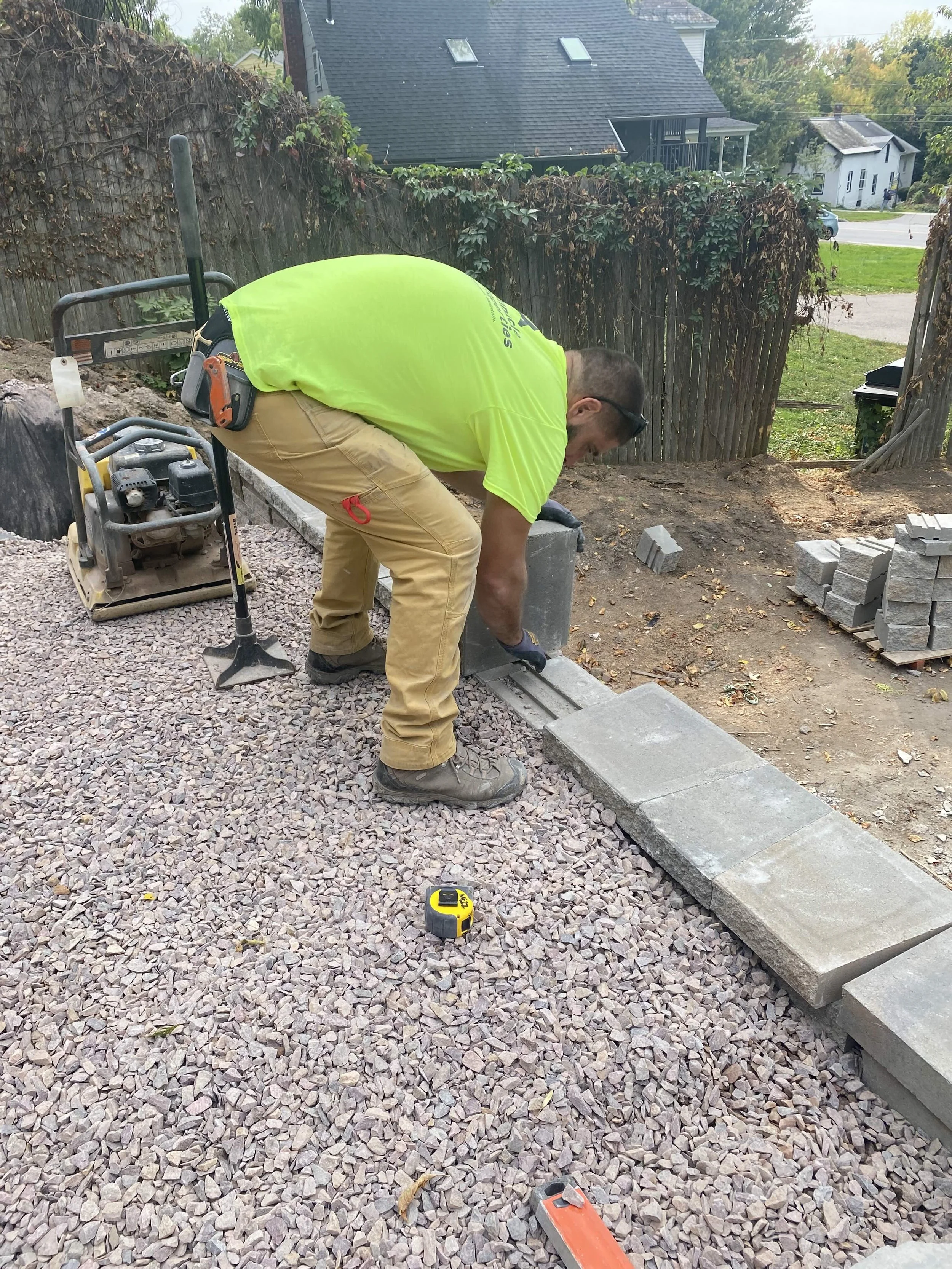
Durability Starts Below the Surface
What lies beneath a hardscape is just as important as what you see. Proper installation involves:
Excavating to appropriate depth
Installing compacted base layers
Incorporating drainage solutions
Ensuring accurate grading
Skipping these steps can result in settling, cracking, and long-term performance issues. Investing in professional installation protects the value of your hardscape and reduces future repair costs.
Increasing Property Value with Hardscape Investments
Quality hardscapes consistently rank among outdoor improvements that enhance property value. Beyond visual appeal, they:
Improve first impressions
Increase functional outdoor space
Reduce long-term maintenance concerns
Add structural integrity to the landscape
For homeowners planning to stay long-term—or those considering future resale—a well-executed hardscape project is a strategic upgrade.
Why Professional Design-Build Makes a Difference
Choosing the right hardscape isn’t just about selecting materials. It requires understanding how the property functions as a whole.
A professional design-build approach ensures:
Thorough site evaluation
Climate-smart material selection
Proper grading and drainage planning
Cohesive design integration
Skilled installation from start to finish
Working with an experienced team eliminates guesswork and ensures your investment is built to perform in Vermont’s demanding conditions.
Building for Today and the Future
Hardscapes are long-term investments. When thoughtfully designed and properly installed, patios, walkways, and retaining walls enhance daily use while standing up to Vermont’s seasons year after year.
If you’re considering a landscape upgrade, evaluating your property’s needs and goals is the first step toward choosing the right hardscape solution.
With careful planning and expert installation, your outdoor space can offer both immediate enjoyment and lasting value.
Learn more about Pinnacle Properties’ landscape design and build services.