Spring Installation Season Is Coming: How to Prepare for a Landscape Build
As winter begins to fade and warmer days approach, many Vermont homeowners start thinking about improving their outdoor spaces. Spring is the start of the landscape installation season in Vermont, making it the perfect time to bring long-planned projects to life.
However, successful landscape builds rarely happen overnight. Thoughtful preparation helps ensure that once installation begins, the process runs smoothly and the finished result meets both functional and aesthetic goals.
If you're considering a landscape project this year—whether it’s a patio, walkway, retaining wall, or full outdoor redesign—taking a few proactive steps before the season begins can make a significant difference.
Start Planning Your Project Early
One of the most important things homeowners can do is begin planning early. Vermont’s landscape installation season is relatively short due to weather conditions, and experienced contractors often book their schedules well in advance.
Planning early allows time to:
Discuss goals and priorities for your outdoor space
Evaluate site conditions and layout
Explore design options and materials
Establish a realistic project timeline
Starting the conversation early also gives you the best chance of securing your preferred installation window once the ground thaws.
Define How You Want to Use Your Outdoor Space
Before design begins, it helps to think about how your outdoor space should function. Different properties have different priorities, and identifying yours helps guide the design process.
Consider questions such as:
Do you want a dedicated area for relaxing or entertaining?
Are there access issues between parts of the property?
Is drainage or erosion a concern?
Are there unused areas that could become more functional?
Understanding how the space should work helps ensure the final design supports both daily use and long-term enjoyment.
Evaluate Existing Conditions on Your Property
Every property has unique characteristics that influence landscape design and installation. Vermont landscapes, in particular, are shaped by seasonal conditions, soil movement, and varying terrain.
Before installation begins, professionals will assess factors such as:
Property grading and slopes
Existing hardscapes and structures
Drainage patterns
Sun exposure and natural features
These elements help determine the most effective design approach and ensure the new installation works with the landscape rather than against it.
Consider the Materials That Fit Vermont’s Climate
Material selection is an important part of preparing for a landscape build. Vermont’s freeze–thaw cycles and winter conditions require materials that are durable and properly installed.
Common hardscape materials for landscape projects include:
Natural stone
Concrete pavers
Segmental wall systems
Gravel or stone walkways
Choosing materials designed for cold climates helps ensure patios, walkways, and retaining walls remain stable and attractive for years to come.
Prepare the Property for Construction Access
Landscape installations often require equipment, materials, and staging areas during construction. Preparing your property ahead of time helps the process run more efficiently.
Homeowners can assist by:
Clearing personal items from the work area
Ensuring pathways or driveways are accessible
Identifying underground utilities if needed
Discussing any site concerns with the installation team
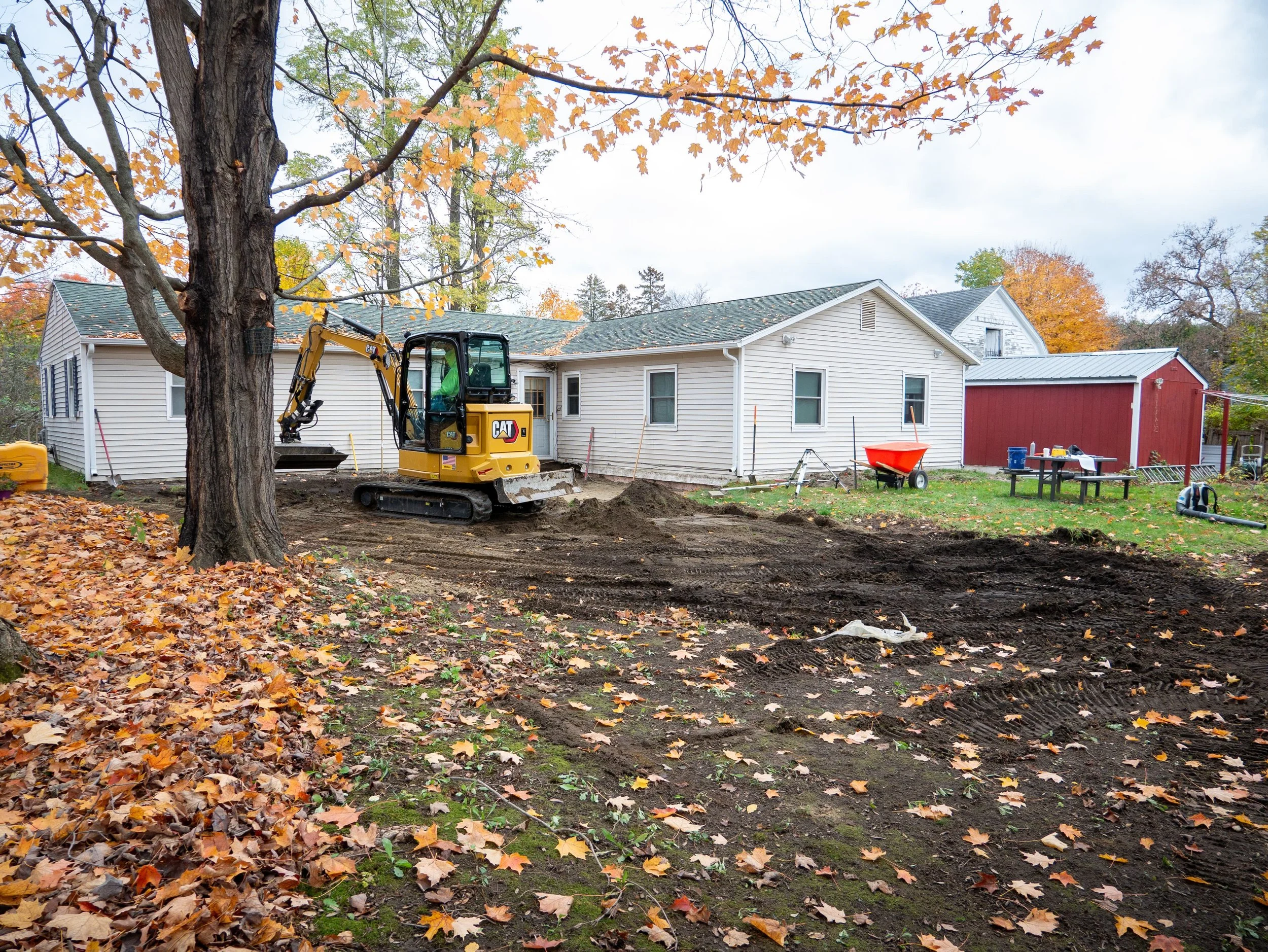
Taking these steps allows the construction crew to begin work quickly and safely once installation starts.
Understand the Timeline of a Landscape Build
Every landscape project has its own timeline depending on the scope of work. Smaller upgrades such as walkways may take only a few days, while larger projects involving patios, retaining walls, or complete redesigns may take longer.
A typical landscape build includes several phases:
Site preparation and excavation
Base installation and grading
Hardscape construction
Final detailing and cleanup
Understanding these stages helps homeowners feel confident about what to expect as the project progresses.
Communicate With Your Design-Build Team
Clear communication plays a major role in successful landscape projects. Working with an experienced design-build team ensures the design and construction process stay aligned from start to finish.
A design-build approach offers several benefits:
Consistent communication throughout the project
Realistic designs based on construction experience
Efficient coordination between planning and installation
Fewer delays or unexpected issues
By collaborating with one team from concept through completion, homeowners gain a more streamlined and reliable project experience.
The Value of Early Preparation
Preparing for a landscape installation before the busy spring season provides several advantages. Early planning gives homeowners more flexibility in design decisions, access to preferred materials, and the ability to secure installation timelines before schedules fill.
Perhaps most importantly, it allows the project to move forward smoothly once the construction season begins.
A well-planned landscape build can transform how a property looks and functions, creating outdoor spaces that are both beautiful and practical.
Start Planning Your Landscape Project Today
Spring installation season approaches quickly in Vermont. If you’re considering a patio, walkway, retaining wall, or larger landscape upgrade, beginning the planning process early can help ensure your project is completed efficiently and to a high standard.
With thoughtful design, proper materials, and skilled installation, a landscape build can enhance your property for years to come.
Pinnacle Properties works with homeowners across Vermont to design and install outdoor spaces that are built to last. Reach out to us today to get a quote on your landscape installation project.