
Designing Outdoor Spaces That Last: Building Landscapes for Vermont’s Climate
Designing an outdoor space in Vermont isn’t just about aesthetics—it’s about longevity. From heavy snowfall and freeze–thaw cycles to spring runoff and summer humidity, Vermont’s climate places unique demands on landscapes and hardscapes alike.
A successful outdoor space must be designed and built with these challenges in mind. Thoughtful planning, durable materials, and experienced installation are what allow patios, walkways, retaining walls, and outdoor living areas to perform year after year. Here’s what it takes to build outdoor spaces that truly last in Vermont.
Understanding Vermont’s Climate Challenges
Vermont’s landscape conditions are shaped by extremes. Winters bring snow accumulation and ice, while spring introduces heavy moisture and fluctuating temperatures. These patterns can cause shifting soils, cracking surfaces, and drainage issues if not properly addressed.
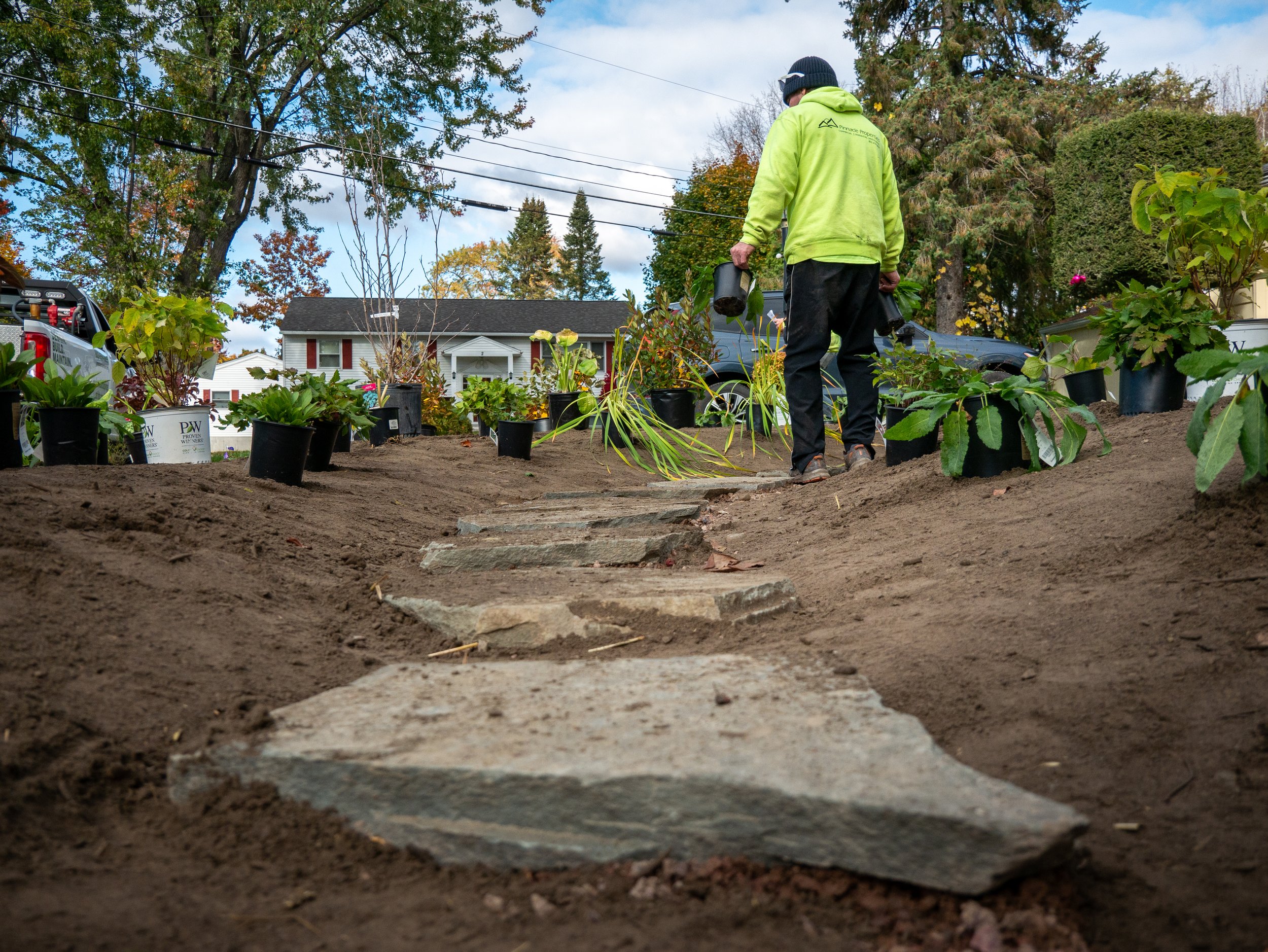
Key climate factors include:
Freeze–thaw cycles that stress materials
Snow load and ice buildup
Seasonal ground movement
Heavy spring runoff and erosion
Designing with these realities in mind is essential for long-term performance.
Proper Site Evaluation Comes First
Durable landscapes start with a thorough understanding of the property. Before design begins, experienced professionals assess:
Grading and slope
Soil composition
Drainage patterns
Sun exposure and shade
Existing structures and access points
Skipping this step often leads to premature failures, such as settling patios, leaning walls, or standing water. A solid site evaluation ensures the design responds to the land—not fights against it.
Drainage Is the Foundation of Longevity
In Vermont, drainage is one of the most critical elements of landscape design. Poor drainage can cause:
Ice buildup on walkways
Frost heaving under patios
Erosion around retaining walls
Damage to surrounding plantings
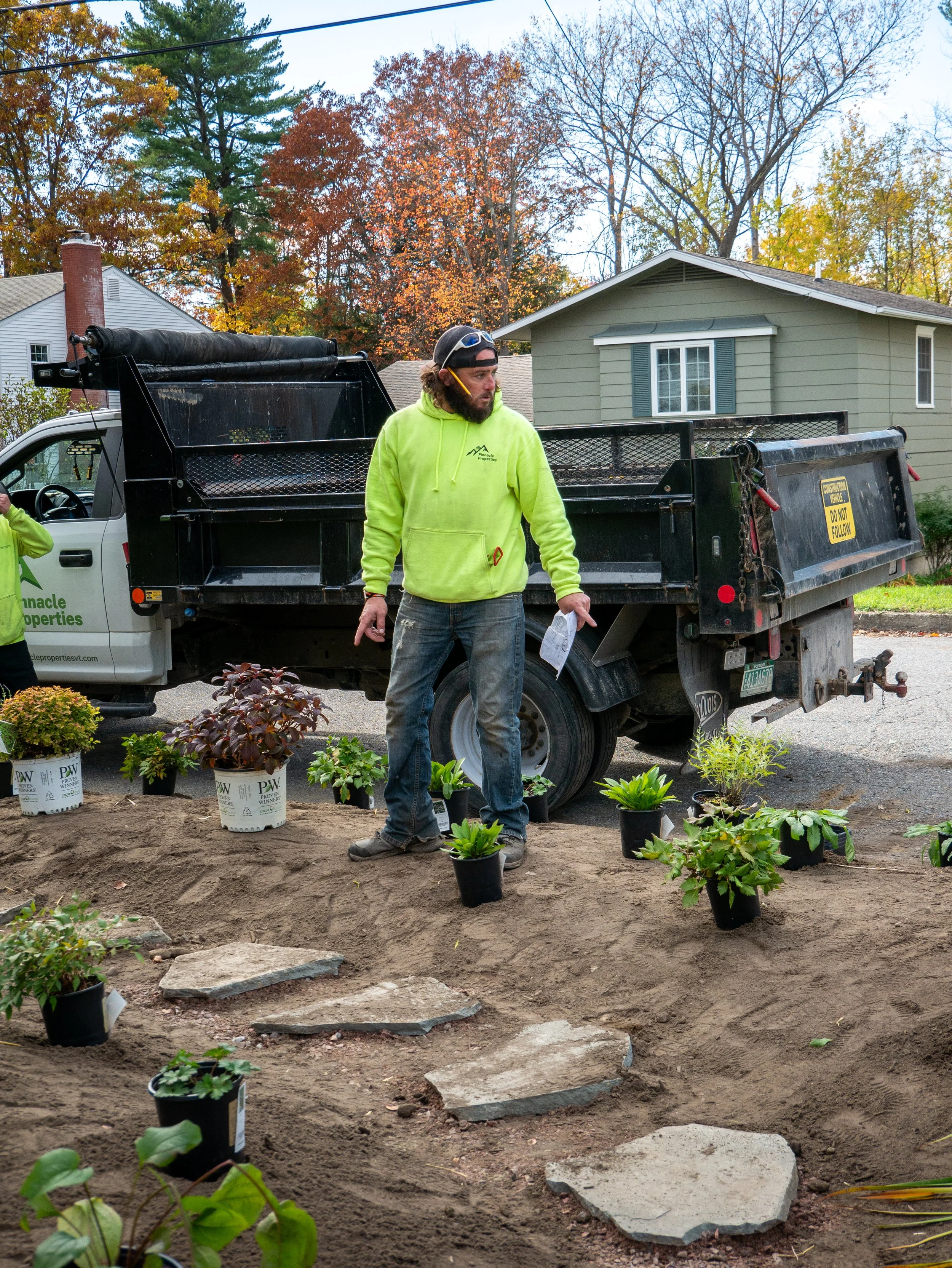
Climate-smart designs incorporate grading strategies that move water away from hardscapes and structures, protecting both safety and structural integrity over time.
Choosing Materials Built for Vermont Weather
Not all materials perform well in harsh climates. Durable outdoor spaces rely on materials selected specifically for freeze–thaw conditions.
Common considerations include:
Stone and pavers rated for cold climates
Proper base preparation beneath hardscapes
Wall systems designed for soil pressure and moisture
Finishes that resist cracking and shifting
Quality materials paired with professional installation help prevent common issues like cracking, settling, or uneven surfaces.
Building for Snow Load and Seasonal Use
Outdoor spaces in Vermont must handle more than just foot traffic. Snow accumulation places additional stress on patios, walls, and walkways throughout the winter.
Designing landscapes for winter and snow load means:
Reinforced bases for hardscapes
Stable retaining wall construction
Clear access routes for snow removal
Defined edges to prevent damage during clearing
These details help ensure outdoor spaces remain safe, functional, and intact through multiple winters.
Designing for Year-Round Functionality
The most successful outdoor spaces are designed for multiple seasons. Even when not actively used in winter, layouts should:
Allow safe access to entrances
Minimize ice-prone areas
Protect surrounding landscapes
Transition seamlessly into spring use
Well-designed outdoor spaces feel intentional year-round, not just during peak summer months.
Professional Installation Makes the Difference
Even the best designs can fail without proper installation. Experienced crews understand:
Vermont soil conditions
Proper compaction techniques
Base preparation requirements
Precision placement and finishing
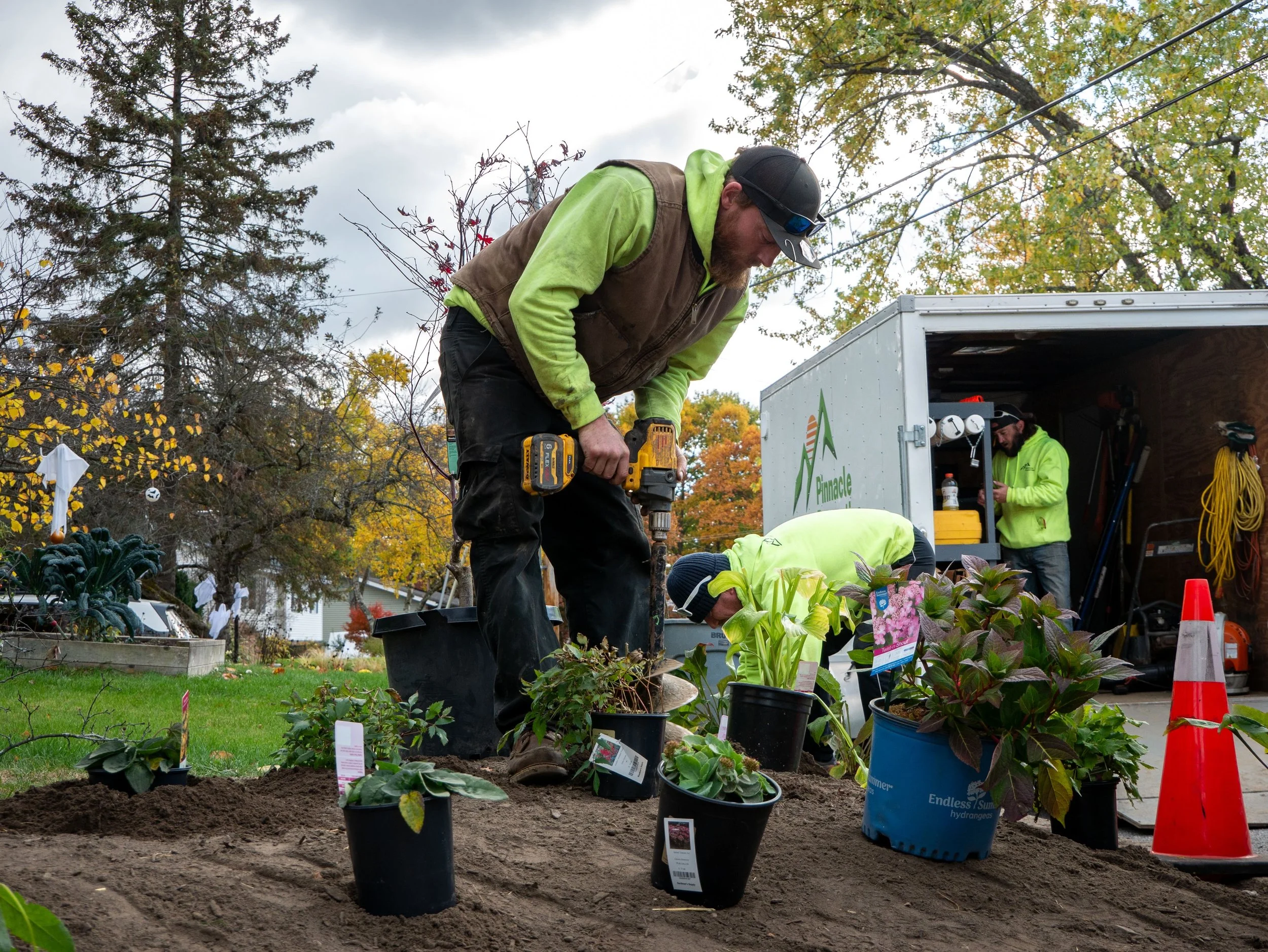
Professional installation ensures designs are executed correctly, protecting the investment and delivering lasting results.
Long-Term Value of Climate-Smart Design
Outdoor spaces built for Vermont’s climate offer more than durability—they provide long-term value. Well-designed landscapes:
Require fewer repairs
Maintain their appearance longer
Enhance property usability
Increase overall property value
By investing in climate-smart design, homeowners enjoy outdoor spaces that continue to perform and impress year after year.
Why Pinnacle Properties Designs Landscapes That Last
Pinnacle Properties understands Vermont landscapes because they build them every day. Their team combines local expertise, thoughtful design, and quality craftsmanship to create outdoor spaces that hold up under real-world conditions.
From patios and walkways to retaining walls and full landscape transformations, Pinnacle focuses on designs that are as practical as they are beautiful.
Build Once. Enjoy for Years.
Designing outdoor spaces for Vermont’s climate requires experience, planning, and attention to detail. When landscapes are built with the environment in mind, they don’t just survive—they thrive.
If you’re planning an outdoor project and want results that last, working with professionals who understand Vermont conditions makes all the difference.