Residential vs. Commercial Landscape Design-Build: What’s Different and Why It Matters
Landscape design-build projects are not one-size-fits-all. While the principles of good design and quality construction remain the same, residential and commercial properties have very different needs, expectations, and constraints. Understanding these differences is essential when planning a successful landscape installation.
Whether you are improving a private home or a commercial property, working with a team experienced in both residential and commercial design-build ensures your project is functional, durable, and built for long-term success.
Understanding the Design-Build Approach
Design-build combines planning and construction under one team, creating a streamlined process from concept through installation. This approach reduces miscommunication, improves efficiency, and ensures designs are grounded in real-world construction knowledge.
For both residential and commercial projects, design-build allows:
Better coordination between design and construction
Clear timelines and scopes of work
Greater accountability from a single partner
Fewer surprises during installation
While the process framework is similar, how it’s applied differs based on the type of property.
Residential Landscape Design-Build: Focus on Lifestyle and Personal Use
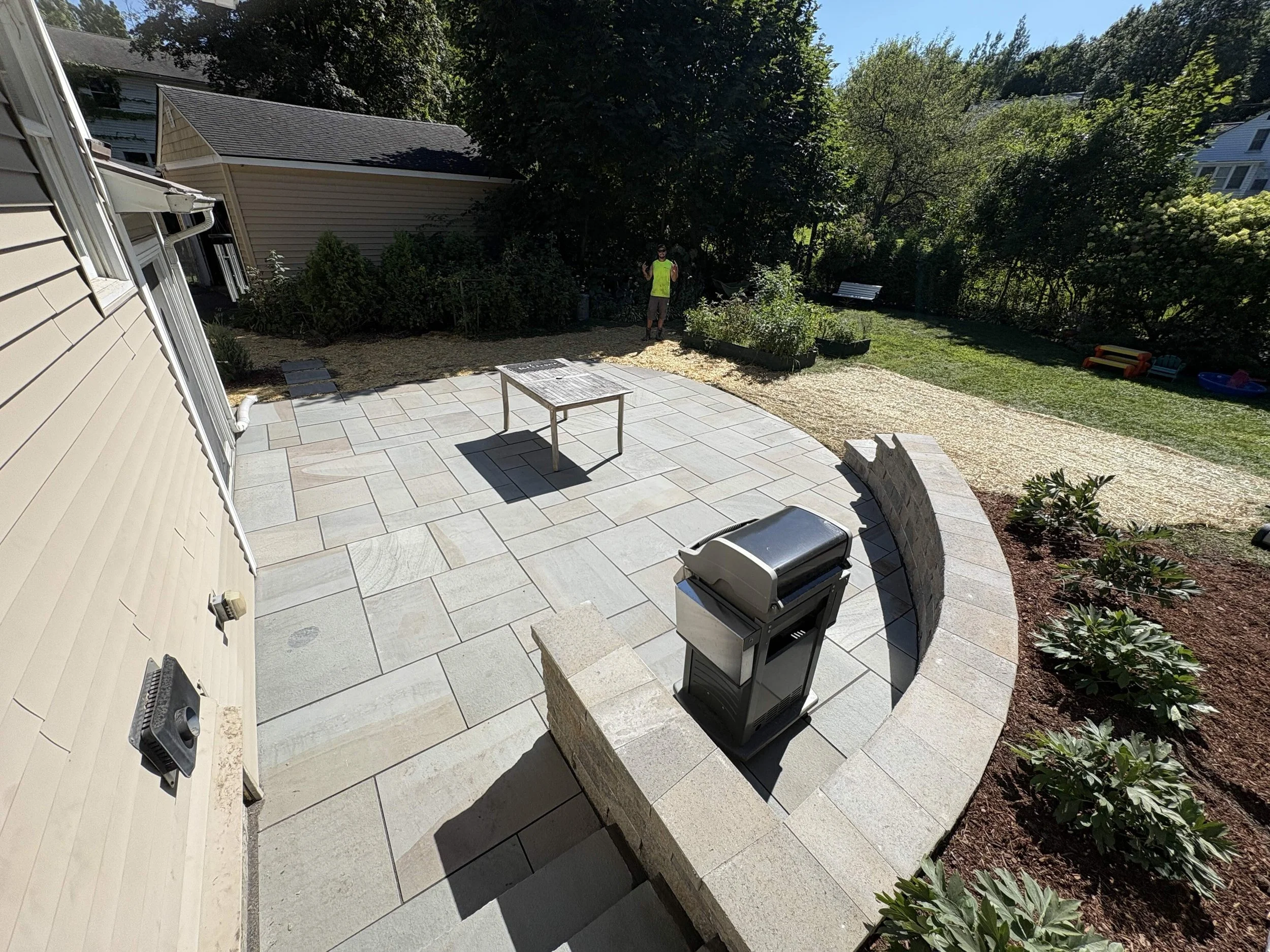
Residential projects are centered on how homeowners live and use their outdoor spaces. The goal is to create environments that are comfortable, functional, and visually cohesive with the home.
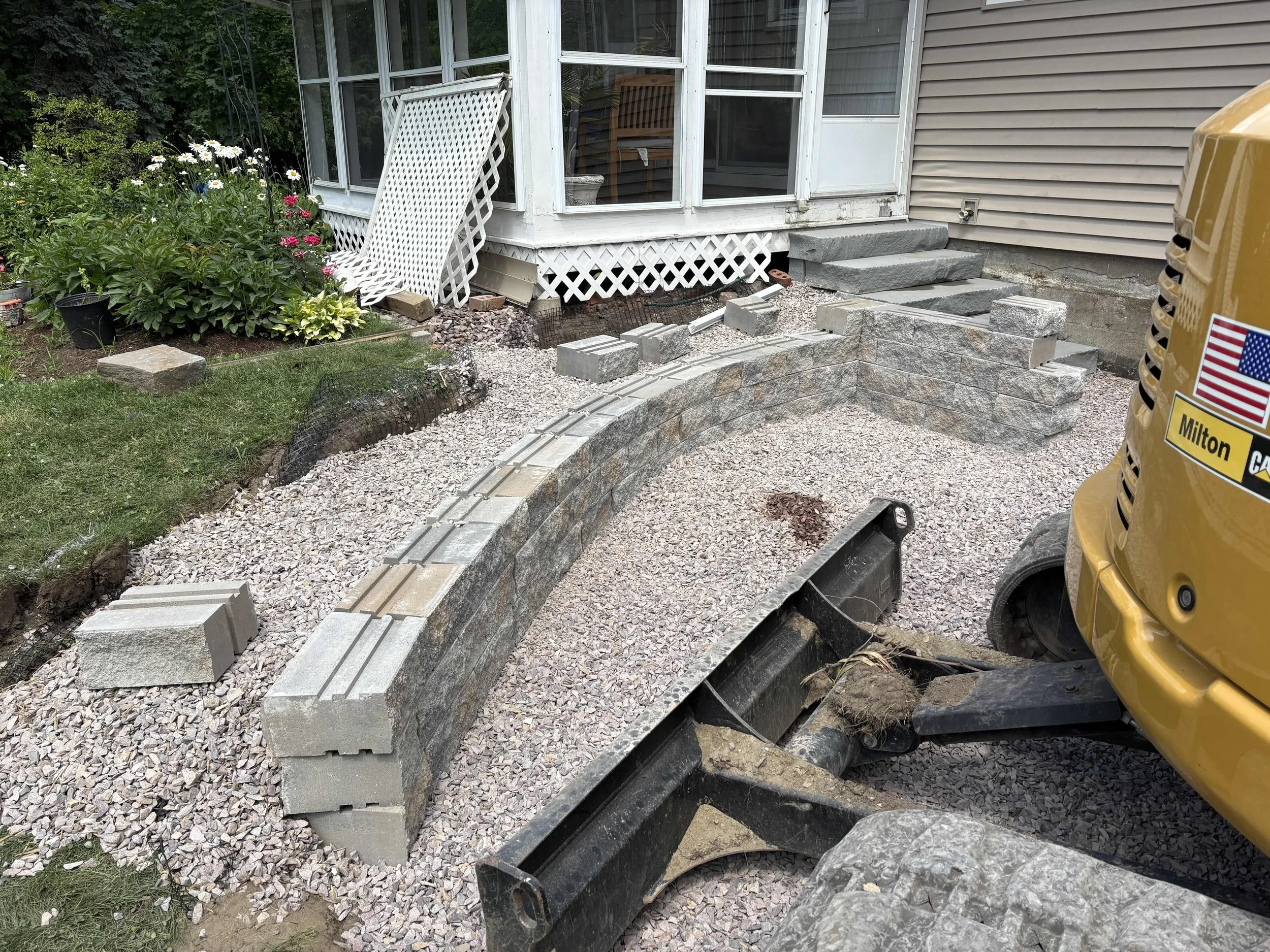
Key considerations for residential projects include:
Outdoor living and entertaining needs
Walkways and access to entrances
Privacy and visual appeal
Integration with existing landscapes and structures
Long-term enjoyment and property value
Designs are often more customized, reflecting personal style and daily routines. Planning discussions tend to focus on how spaces will be used throughout the seasons and how installations can enhance quality of life.
Commercial Landscape Design-Build: Focus on Function, Durability, and Safety
Commercial properties serve many users and must perform reliably under constant traffic and exposure. Design decisions are driven by functionality, safety, and long-term durability.
Key considerations for commercial projects include:
Clear access routes and circulation
Safety for pedestrians and vehicles
Durability under heavy use
Ease of maintenance
Professional appearance year-round
Commercial landscapes often require larger-scale planning and coordination. Installations must meet practical needs while supporting the property’s overall image and usability.
Differences in Scale and Complexity
One of the most noticeable differences between residential and commercial projects is scale. Commercial properties typically involve:
Larger installation areas
More extensive hardscapes
Complex grading and drainage needs
Coordination with property managers or multiple stakeholders
Residential projects, while smaller, often require more detailed customization. Both demand expertise—but in different ways.
Design Priorities: Personal vs. Practical
Residential design emphasizes comfort, flow, and aesthetics tailored to the homeowner. Commercial design emphasizes efficiency, clarity, and long-term performance.
That said, the best projects balance both. Thoughtful residential designs still prioritize safety and durability, while strong commercial designs also consider visual appeal and user experience; both are important to maintaining residential and commercial landscapes.
Why Experience in Both Matters
A company experienced in both residential and commercial landscape design-build brings a broader perspective to every project. This cross-sector knowledge leads to:
Smarter material choices
Better planning for traffic and use patterns
Stronger construction methods
Designs that hold up under real conditions
Teams familiar with both environments are better equipped to anticipate challenges and deliver reliable results.
The Role of Professional Installation
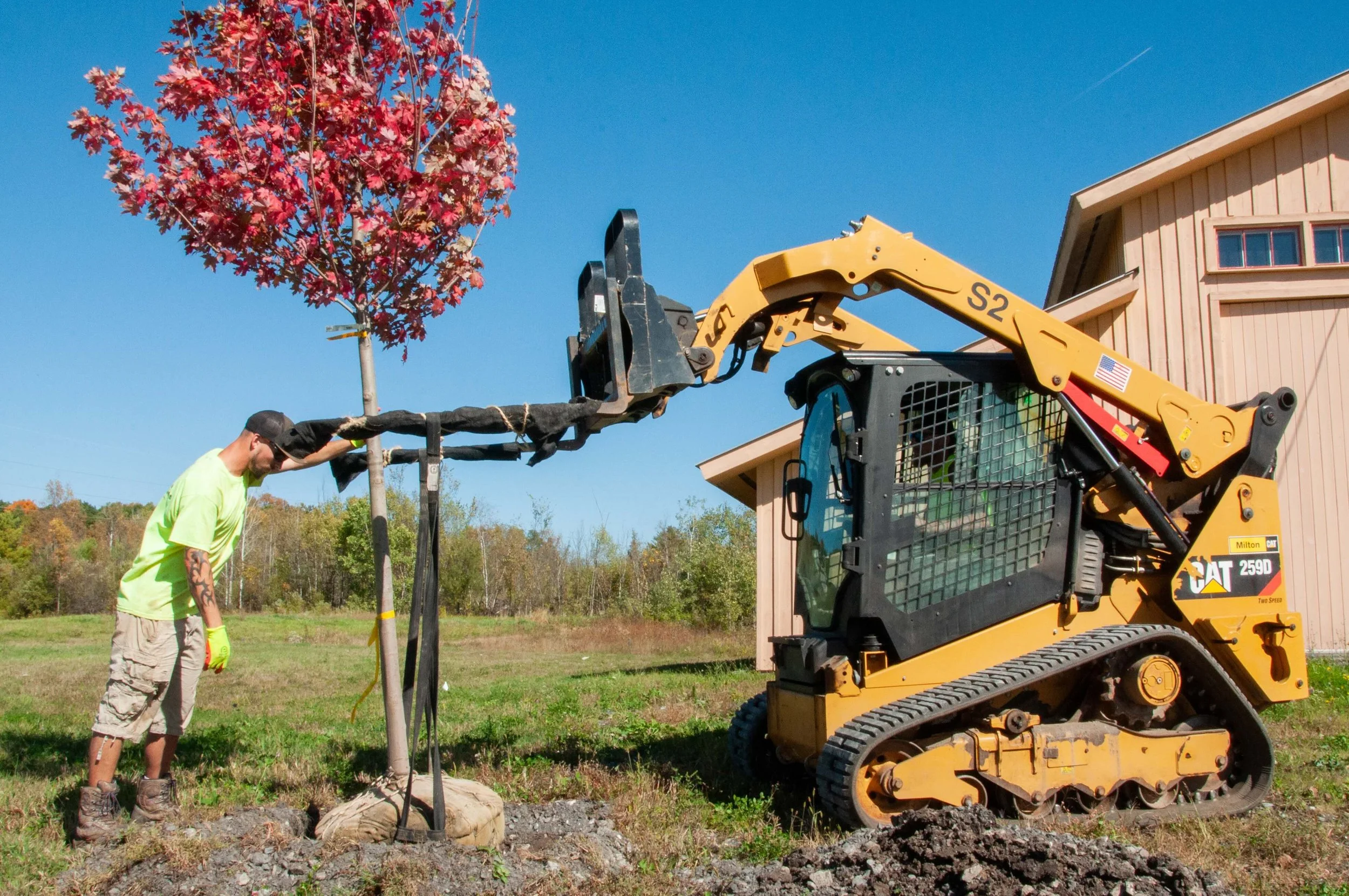
Regardless of property type, professional installation is critical. Vermont’s climate places significant demands on landscapes, from freeze–thaw cycles to heavy moisture and seasonal ground movement.
Experienced installation ensures:
Proper base preparation
Accurate grading and drainage
Long-term structural stability
Clean, well-organized job sites
These details protect the investment and extend the life of the landscape.
Why Pinnacle Properties Is Equipped for Both
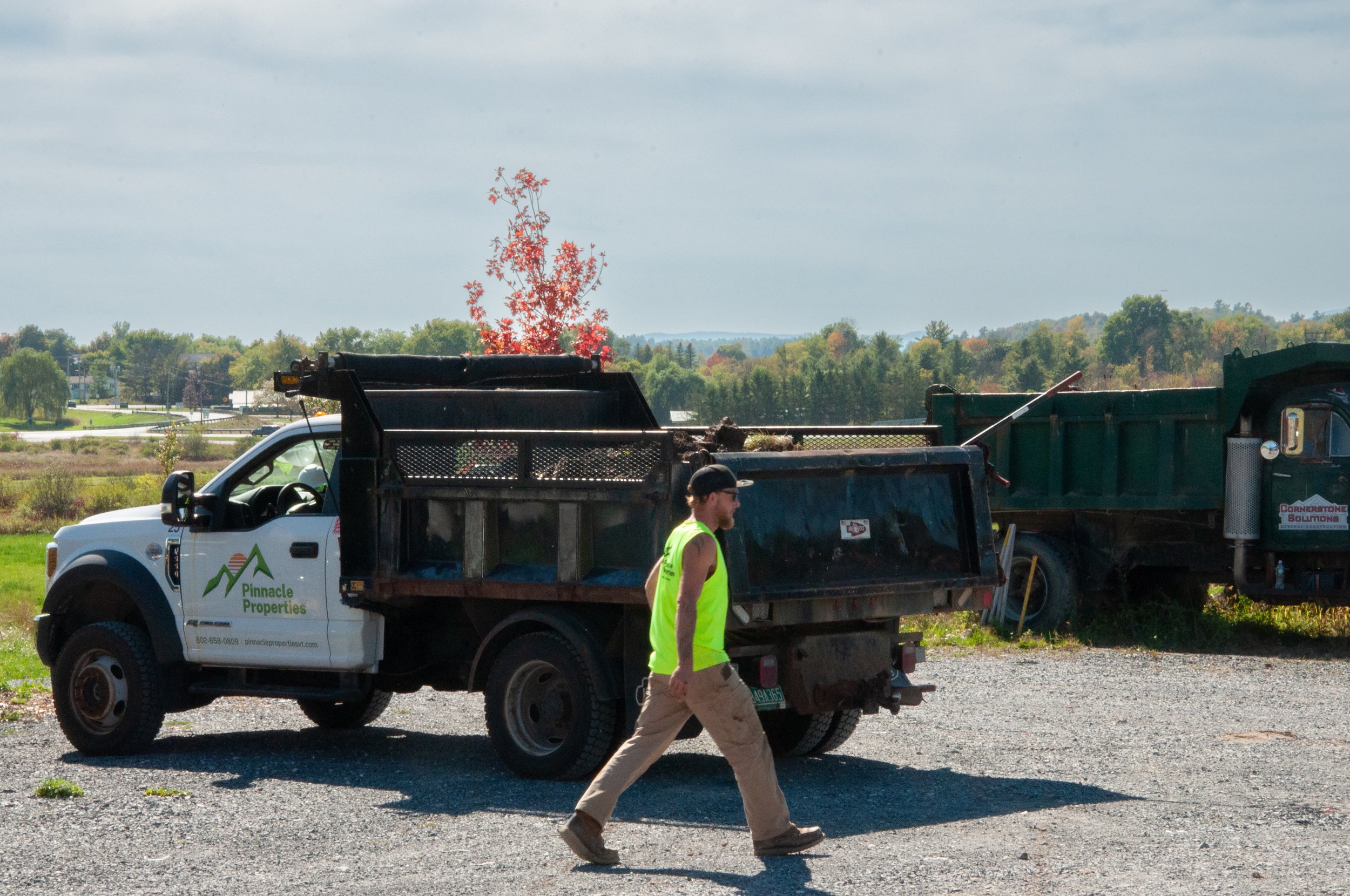
Pinnacle Properties brings design-build expertise to both residential and commercial projects across Vermont. Their team understands how to adapt designs to property type, usage demands, and local conditions—without compromising quality or performance.
By combining thoughtful planning with skilled construction, Pinnacle delivers landscapes that meet the unique needs of each client while standing up to Vermont’s environment.
Choosing the Right Partner Makes the Difference
Residential and commercial landscape projects require different approaches, but both benefit from a design-build process led by experienced professionals. Understanding these differences helps ensure your project is designed with intention, built correctly, and prepared to perform for years to come.
If you’re considering a landscape installation—whether for a home or a commercial property—working with a team experienced in both can make all the difference.
Learn more about Pinnacle Properties’ landscape design and build services.