What Impacts the Cost of a Landscape Installation in Vermont?
If you’re considering a landscape project - whether it’s a patio, walkway, retaining wall, or a full outdoor redesign - one of the first questions that comes up is cost.
While every project is different, understanding what influences the cost of a landscape installation can help you plan more effectively and make informed decisions. In Vermont, factors like climate, terrain, and material durability all play a role in shaping the scope and investment of a project.
Here’s a breakdown of the key elements that impact the cost of a landscape installation.
Project Size and Scope
One of the most significant factors is the overall size and complexity of the project. Larger spaces or multi-feature designs naturally require more materials, labor, and time.
Examples of Scope Differences:
A simple walkway vs. a full outdoor living space
A single retaining wall vs. multiple structural elements
Small upgrades vs. a complete landscape redesign
Projects that combine several elements—such as patios, walkways, and grading improvements—require more coordination and planning, which can influence overall cost.
Material Selection
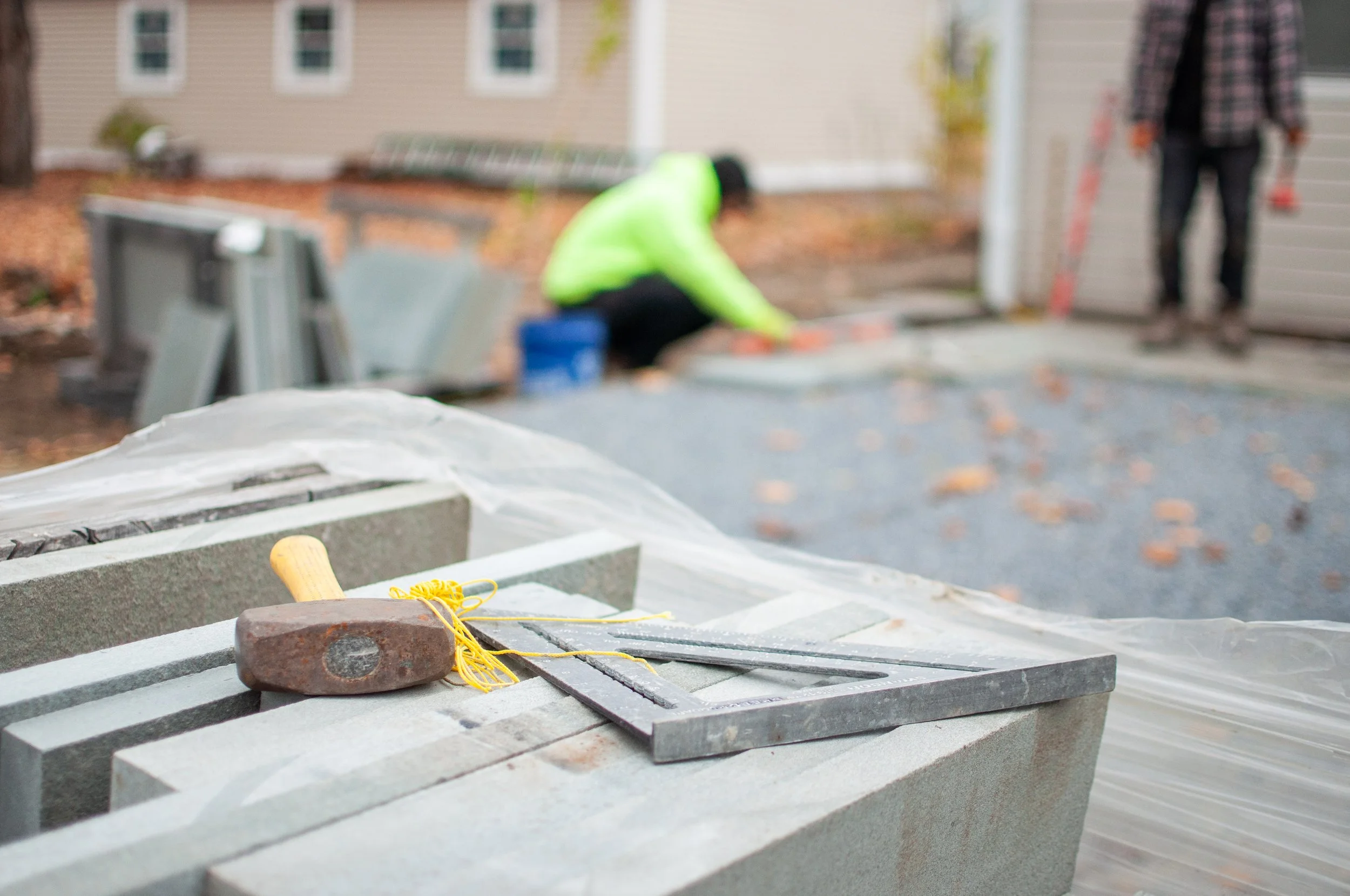
The type of materials used in a project has a major impact on both upfront cost and long-term performance.
Common Considerations:
Natural stone vs. manufactured pavers
Structural wall systems vs. basic materials
Durability in freeze–thaw conditions
Appearance and finish quality
In Vermont’s climate, choosing materials that can withstand seasonal changes is essential. While some options may have a lower upfront cost, they may not perform as well over time.
Site Conditions and Property Layout
Every property presents its own set of challenges. Site conditions can significantly affect how a project is designed and installed.
Factors That Influence Cost:
Slope and elevation changes
Soil stability and composition
Drainage patterns and water flow
Accessibility for equipment and materials
For example, a sloped property that requires grading or retaining walls will involve more preparation than a flat, easily accessible space.
Drainage and Grading Requirements
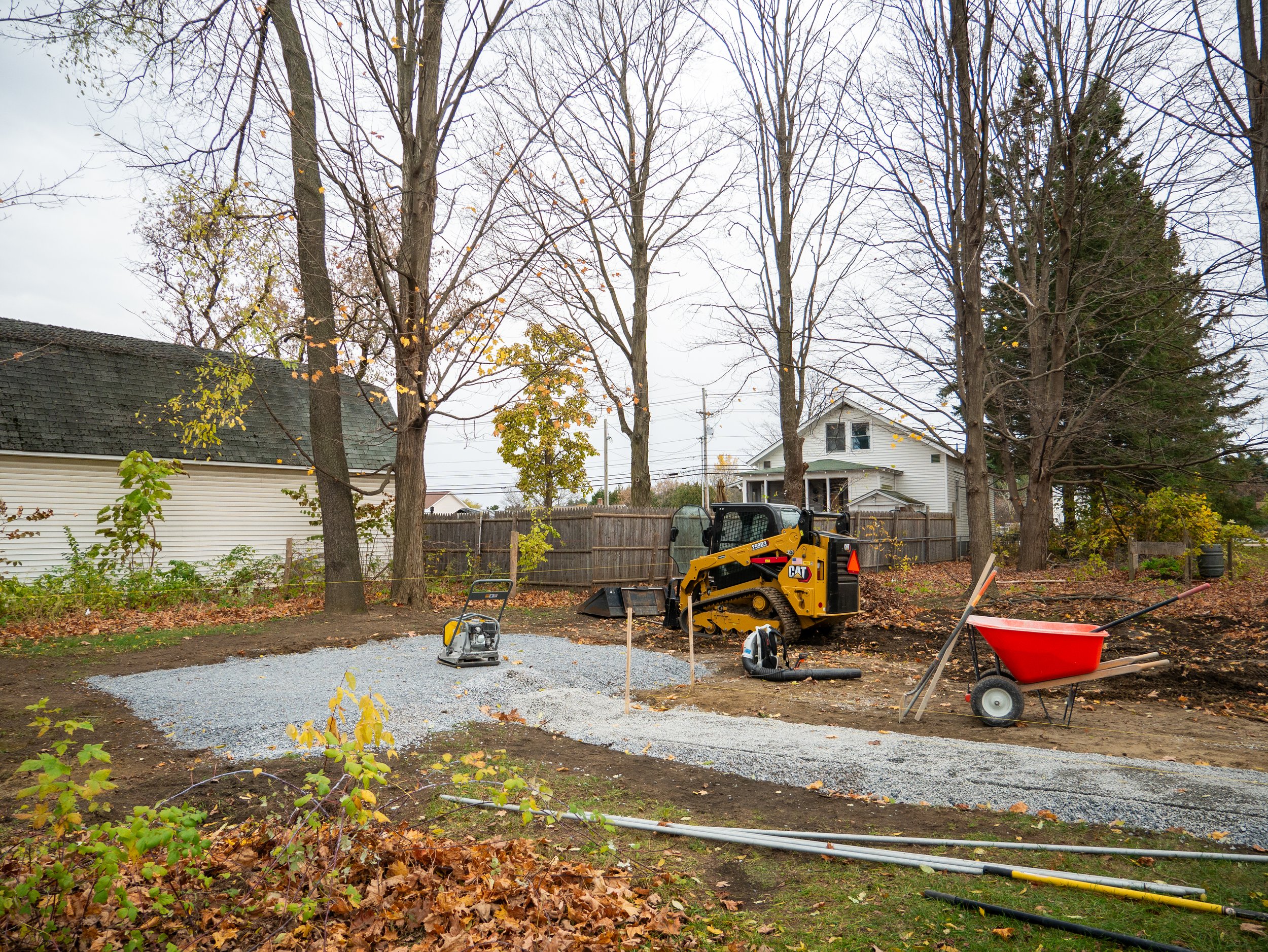
Proper drainage is one of the most important aspects of any landscape installation—especially in Vermont, where snowmelt and seasonal rain can create water management issues.
Why It Matters:
Prevents water pooling and erosion
Protects hardscapes from damage
Improves safety during winter conditions
Incorporating drainage solutions and grading into the design may add to the initial scope but helps avoid costly repairs in the future.
Design Complexity
The level of detail and customization in a design also plays a role in cost.
More Complex Designs May Include:
Multiple elevations or tiered spaces
Integrated features like steps or seating areas
Detailed layout planning for flow and function
Custom material combinations
A more complex design requires additional planning and precision during installation, which can influence both time and labor.
Installation Quality and Craftsmanship
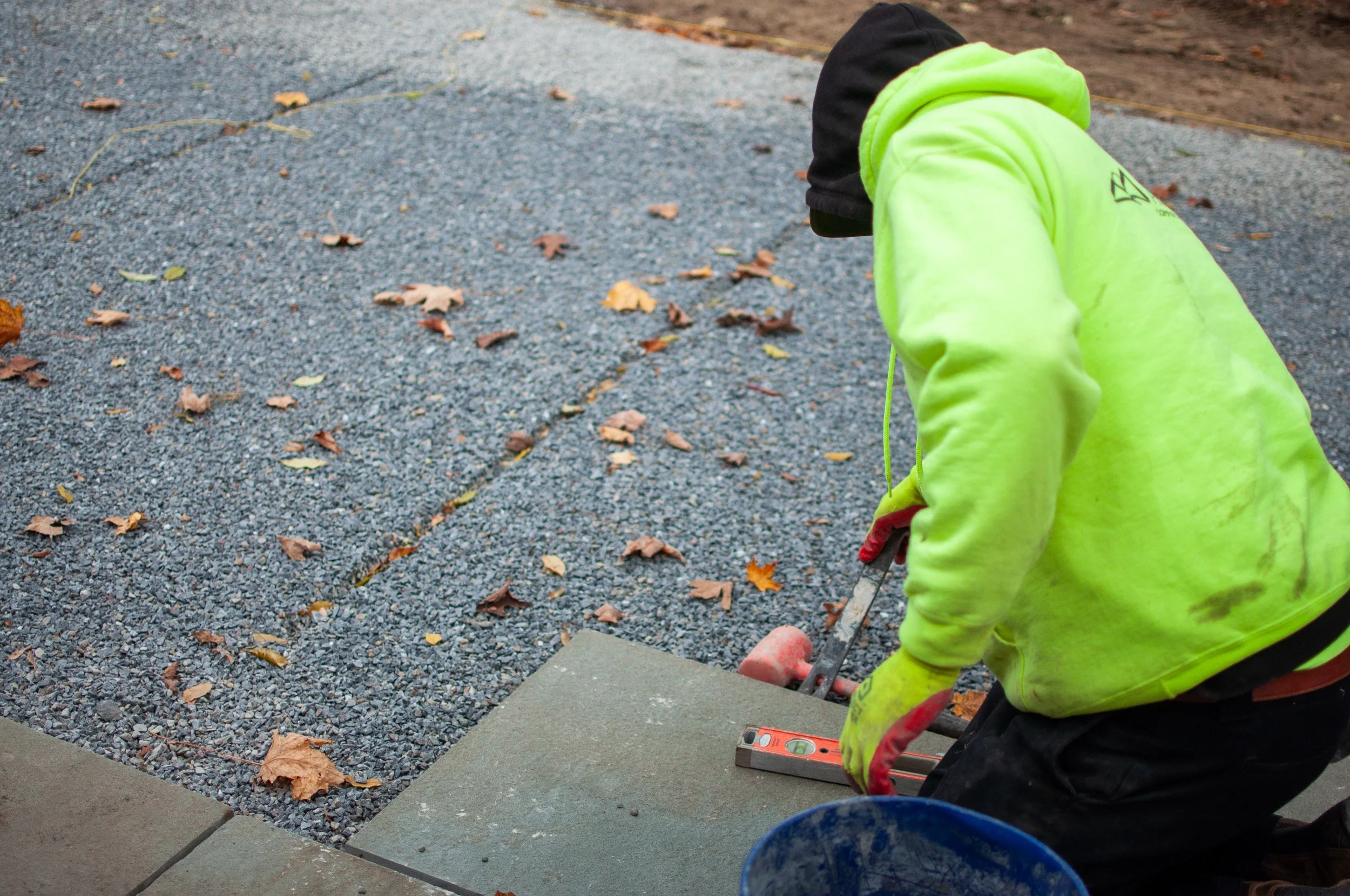
How a project is built is just as important as what is built. Proper installation ensures the landscape performs well over time and reduces the need for future repairs.
Key Installation Factors:
Base preparation and compaction
Accurate grading and leveling
Structural integrity of retaining walls
Precision in material placement
Choosing a professional team with experience in Vermont landscaping and hardscaping helps ensure the project is built to last.
Timeline and Scheduling
The timing of a project can also influence how it is planned and executed.
Considerations Include:
Seasonal demand for landscape installation
Availability of materials
Project scheduling within a limited construction season
Starting the planning process early often provides more flexibility and helps avoid delays during peak installation months.
Long-Term Value vs. Short-Term Cost
It’s important to look beyond initial cost and consider long-term performance. A well-designed and properly installed landscape can provide lasting value.
Benefits of Investing in Quality:
Reduced maintenance and repairs
Improved safety and usability
Enhanced property value
Greater durability through Vermont’s seasons
In many cases, investing in a durable, professionally installed solution results in better long-term outcomes than opting for lower-cost alternatives.
Why a Design-Build Approach Matters
Understanding what impacts cost is only part of the process. Working with a professional design-build team helps ensure that all of these factors are considered from the beginning.
A design-build approach provides:
A clear and cohesive plan
Realistic expectations for scope and timeline
Material recommendations suited to your property
Efficient coordination from design through installation
This leads to a smoother project experience and more reliable results.
Planning Your Landscape Project with Confidence
Every landscape project is unique, but understanding the factors that influence cost helps you make informed decisions and prioritize what matters most for your property.
Whether you’re planning a patio, walkway, retaining wall, or a full redesign, taking the time to evaluate your goals, site conditions, and long-term needs will set your project up for success.
With the right approach, your investment can result in an outdoor space that is both functional and built to last in Vermont’s climate.