Common Landscape Design Mistakes (and How to Avoid Them in Vermont)
A well-designed landscape can transform how a property looks and functions. But without proper planning, even the best intentions can lead to costly mistakes that impact durability, usability, and long-term value.
In Vermont, where weather and terrain play a major role, these mistakes can show up quickly - cracked patios, drainage issues, uneven surfaces, and underused spaces. The good news is that most of these problems are avoidable with the right approach.
Here are some of the most common landscape design mistakes - and how to avoid them when planning your next project.
1. Ignoring Drainage and Water Flow
One of the most frequent - and costly - mistakes is overlooking how water moves across a property. Poor drainage can lead to standing water, erosion, and even damage to hardscapes and structures.
Common Issues:
Water pooling near patios or walkways
Soil erosion after heavy rain
Ice buildup in winter
Water collecting near foundations
How to Avoid It:
Proper grading and drainage planning should be built into the design from the start. A professional evaluation ensures water is directed away from structures and high-traffic areas, protecting both the landscape and the property.
2. Choosing Materials That Aren’t Built for Vermont’s Climate
Not all materials perform well in regions with freeze–thaw cycles. Selecting the wrong materials can lead to cracking, shifting, and premature wear.
Common Issues:
Cracked concrete surfaces
Loose or shifting pavers
Weather damage after just a few seasons
How to Avoid It:
Choose materials specifically suited for cold climates and ensure they are installed with proper base preparation. Durable stone and paver systems, when installed correctly, hold up far better over time.
3. Skipping Proper Base Preparation
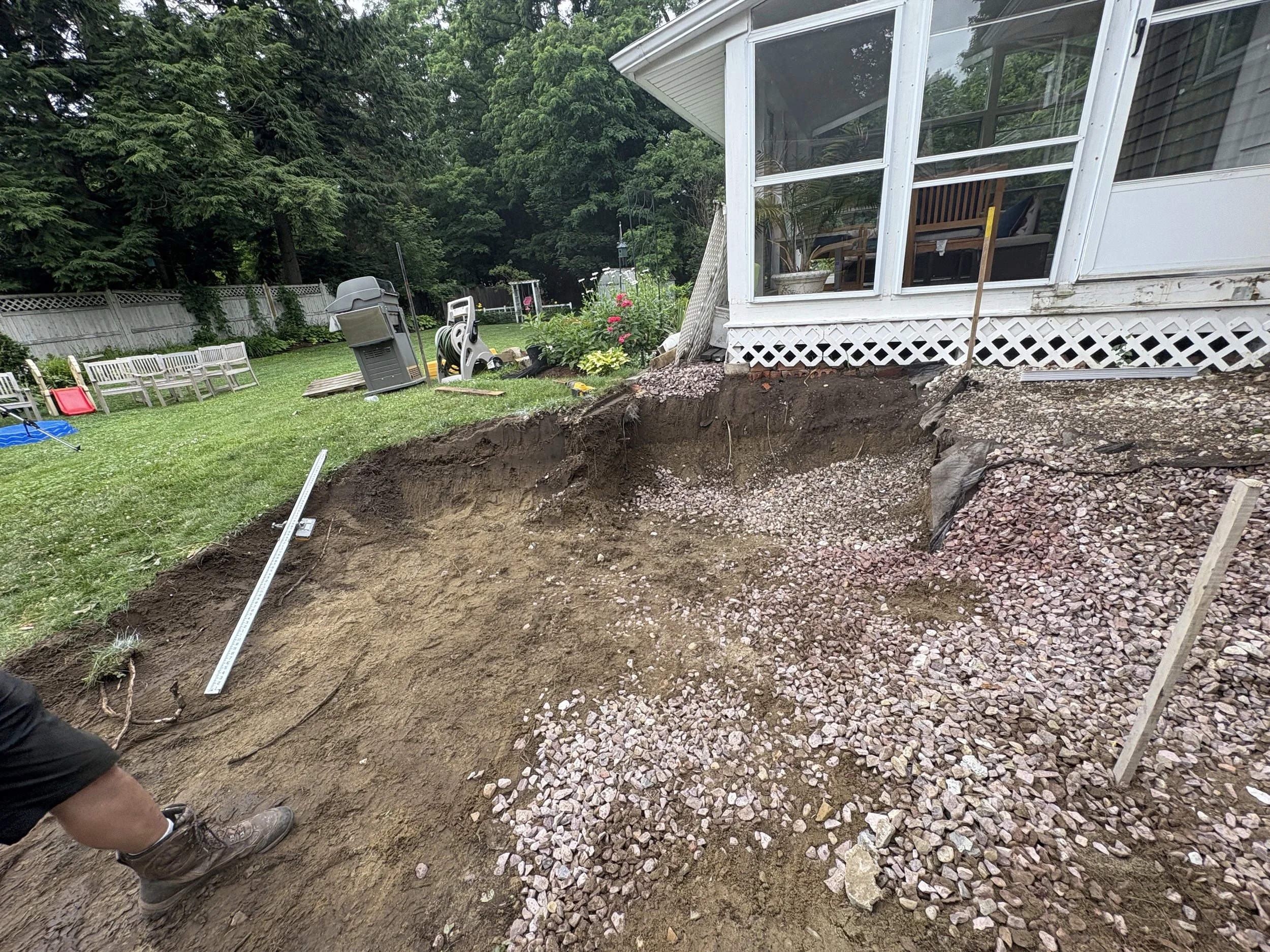
What lies beneath a hardscape is just as important as what’s visible on the surface. Inadequate base preparation is one of the leading causes of failure in patios, walkways, and retaining walls.
Common Issues:
Sinking or uneven surfaces
Shifting materials over time
Reduced lifespan of the installation
How to Avoid It:
A properly compacted base and correct installation depth are essential. Professional installation ensures the structure is built to withstand seasonal movement and long-term use.
4. Designing Without a Clear Plan
Many landscape projects are completed in phases without a cohesive design. While this may seem practical in the short term, it often leads to a disjointed and inefficient layout.
Common Issues:
Mismatched materials or styles
Poor flow between spaces
Redundant or underused features
How to Avoid It:
Start with a comprehensive design plan, even if the project will be completed in stages. A unified vision ensures each element works together and avoids costly rework later.
5. Overlooking How the Space Will Be Used
A landscape can look great but still fail functionally if it doesn’t align with how the property is actually used.
Common Issues:
Patios that are too small or poorly placed
Walkways that don’t follow natural traffic patterns
Outdoor spaces that go unused
How to Avoid It:
Design with purpose. Consider how you move through the space, where you gather, and how the layout supports daily use. Function should guide design decisions just as much as aesthetics.
6. Not Accounting for Vermont’s Seasonal Changes
Landscapes in Vermont must handle a wide range of conditions - from snow and ice in winter to heavy rain in spring.
Common Issues:
Surfaces that become slippery or unsafe
Materials that shift with seasonal changes
Areas that flood or erode during snowmelt
How to Avoid It:
Design with all seasons in mind. This includes proper drainage, durable materials, and layouts that remain functional year-round.
7. Underestimating the Importance of Professional Installation
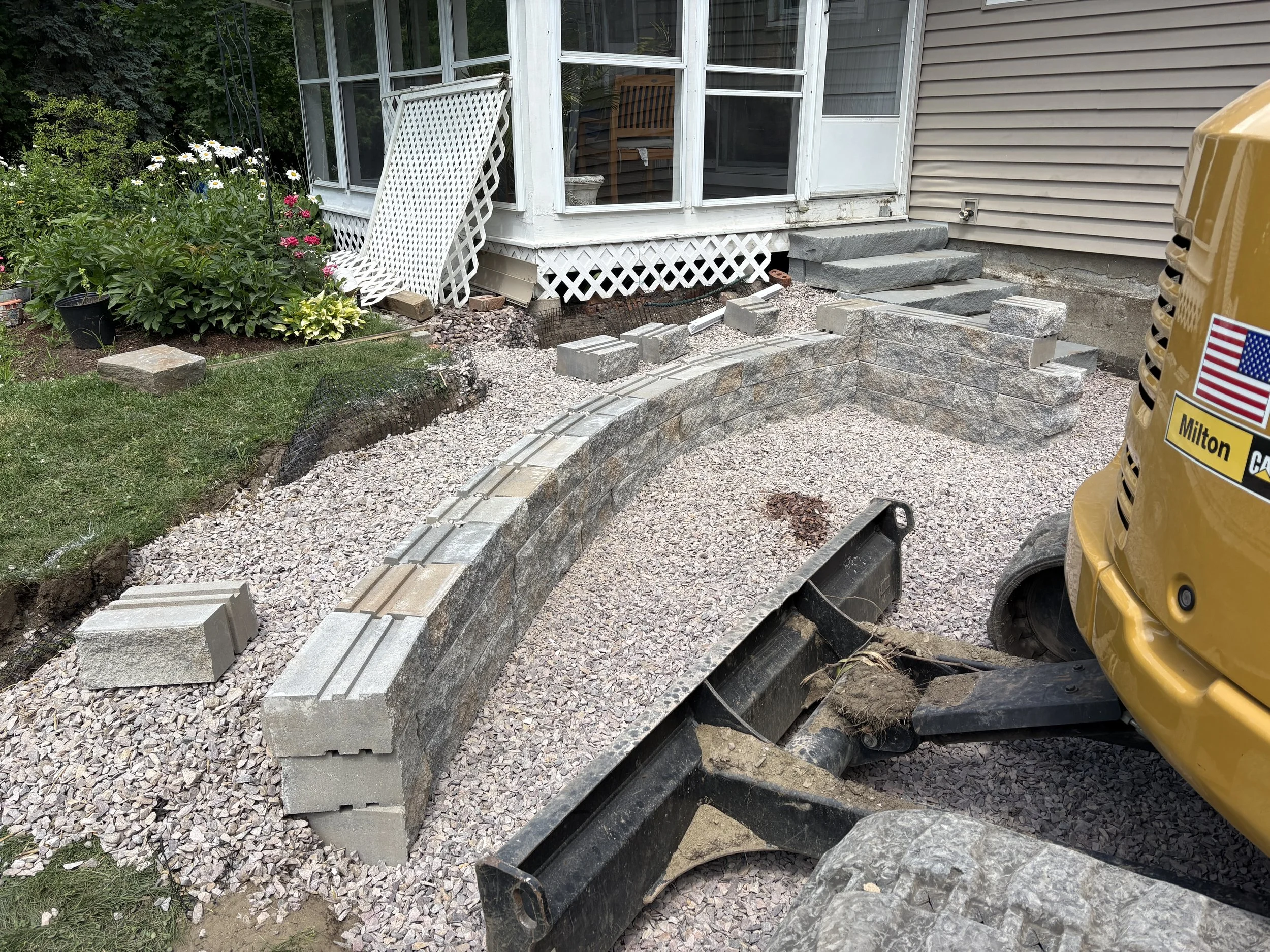
Even a well-designed landscape can fail if it’s not installed correctly. Precision, experience, and attention to detail are critical for long-term performance.
Common Issues:
Structural instability in retaining walls
Poor alignment or spacing
Premature wear and tear
How to Avoid It:
Work with an experienced design-build team that understands both planning and construction. This ensures the design is executed correctly and built to last.
8. Trying to Fix Problems Instead of Solving Them
Temporary fixes - like patching a walkway or adding fill to a low area - may seem like a quick solution, but they often don’t address the root issue.
Common Issues:
Recurring maintenance problems
Wasted time and money on short-term fixes
Ongoing frustration with the space
How to Avoid It:
Invest in a long-term solution. A well-designed and properly installed landscape addresses underlying issues rather than masking them.
Why a Thoughtful Design-Build Approach Matters
Avoiding these common mistakes starts with a structured, professional approach. A design-build process ensures that planning and installation are aligned from the beginning.
Benefits include:
Thorough site evaluation
Climate-appropriate material selection
Proper grading and drainage planning
Cohesive, functional design
Skilled execution from start to finish
This approach reduces risk, improves efficiency, and leads to better long-term results.
Building It Right the First Time
Landscape projects are an investment in your property. Avoiding common mistakes not only protects that investment but also ensures your outdoor space remains functional, durable, and enjoyable for years to come.
With the right planning, materials, and installation, your landscape can be built to handle Vermont’s conditions while enhancing how you use your space every day.
If you’re considering a project, starting with a thoughtful design process is the best way to set it up for success.