From Yard to Outdoor Living Space: How a Custom Landscape Design Comes Together
Many properties have untapped potential. What begins as an open yard or underused outdoor area can be transformed into a functional, inviting space designed for everyday use. Whether the goal is improved access, better flow, or a dedicated area to spend time outdoors, a custom landscape design brings structure and purpose to the property.
At Pinnacle Properties, the process of transforming a yard into an outdoor living space follows a thoughtful, step-by-step approach. Each phase builds on the last, ensuring the final result is both visually cohesive and built to perform in Vermont’s climate.
Starting with a Clear Vision
Every successful project begins with understanding how the space should function. Rather than focusing only on appearance, the design process starts by identifying how the property will be used.
Common goals include:
Creating a defined outdoor gathering area
Improving access to entryways or different parts of the property
Addressing drainage or grading concerns
Enhancing overall layout and flow
By establishing clear priorities early on, the design can be tailored to meet both practical needs and long-term goals.
Evaluating the Existing Property
Before any design work begins, it’s essential to understand the current conditions of the property. Vermont landscapes present unique challenges, and a thorough evaluation helps ensure the design works with the land.
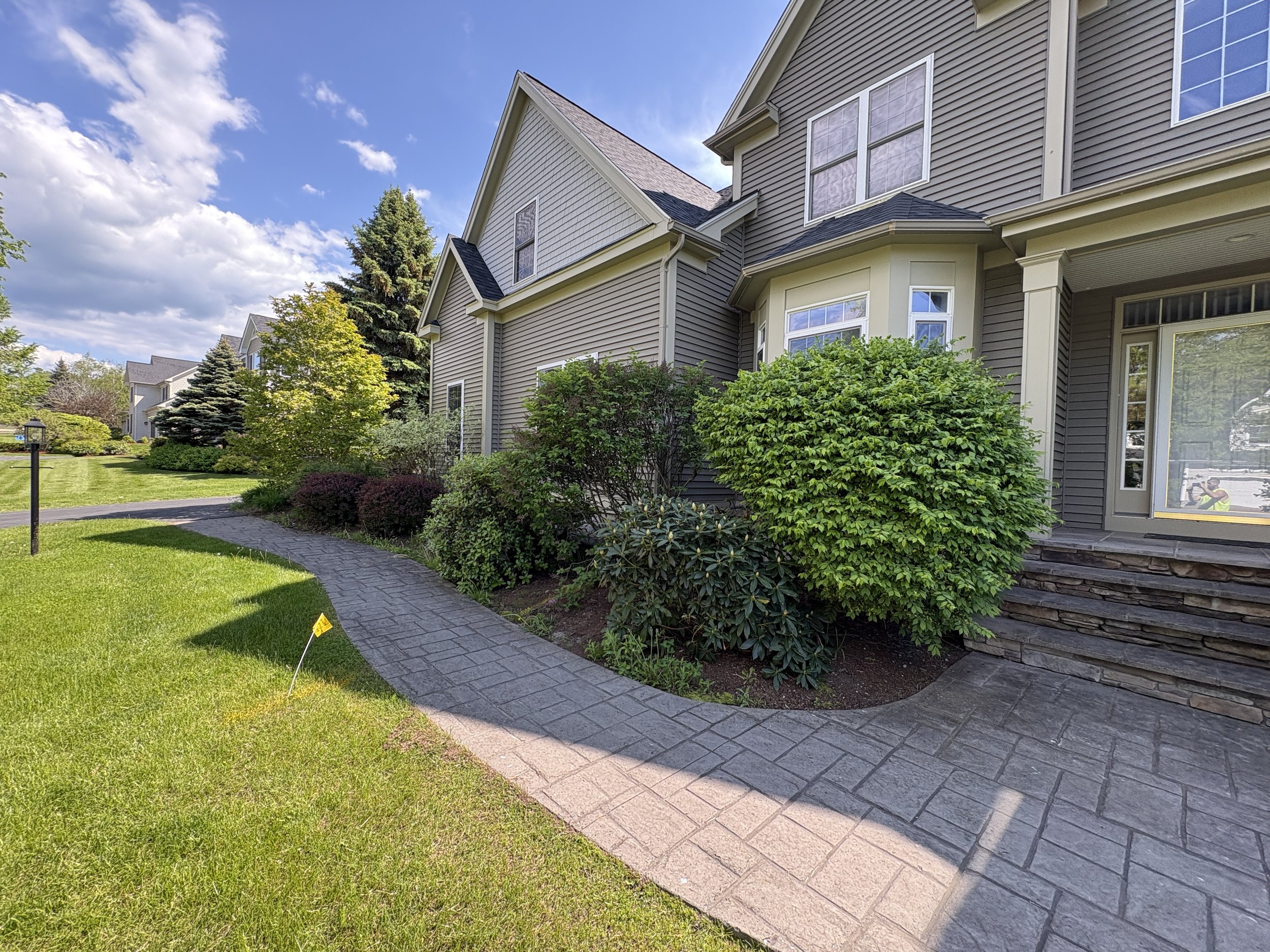
Key factors include:
Slope and grading
Soil conditions
Drainage patterns
Sun exposure
Existing structures and hardscapes
This step provides the foundation for a design that is not only attractive but also structurally sound and durable over time.
Developing a Cohesive Design Plan
Once goals and site conditions are clear, the design phase begins. This is where the transformation from yard to outdoor living space starts to take shape.
A cohesive design plan considers:
Placement of patios, walkways, and retaining walls
Flow between different areas of the property
Material selection suited to Vermont’s climate
Integration with the home and surrounding landscape
Rather than adding features individually, the goal is to create a unified plan where each element supports the overall layout.
Choosing Materials That Last
Material selection plays a major role in both the appearance and performance of an outdoor space. In Vermont, materials must be able to withstand freeze–thaw cycles, moisture, and seasonal temperature changes.
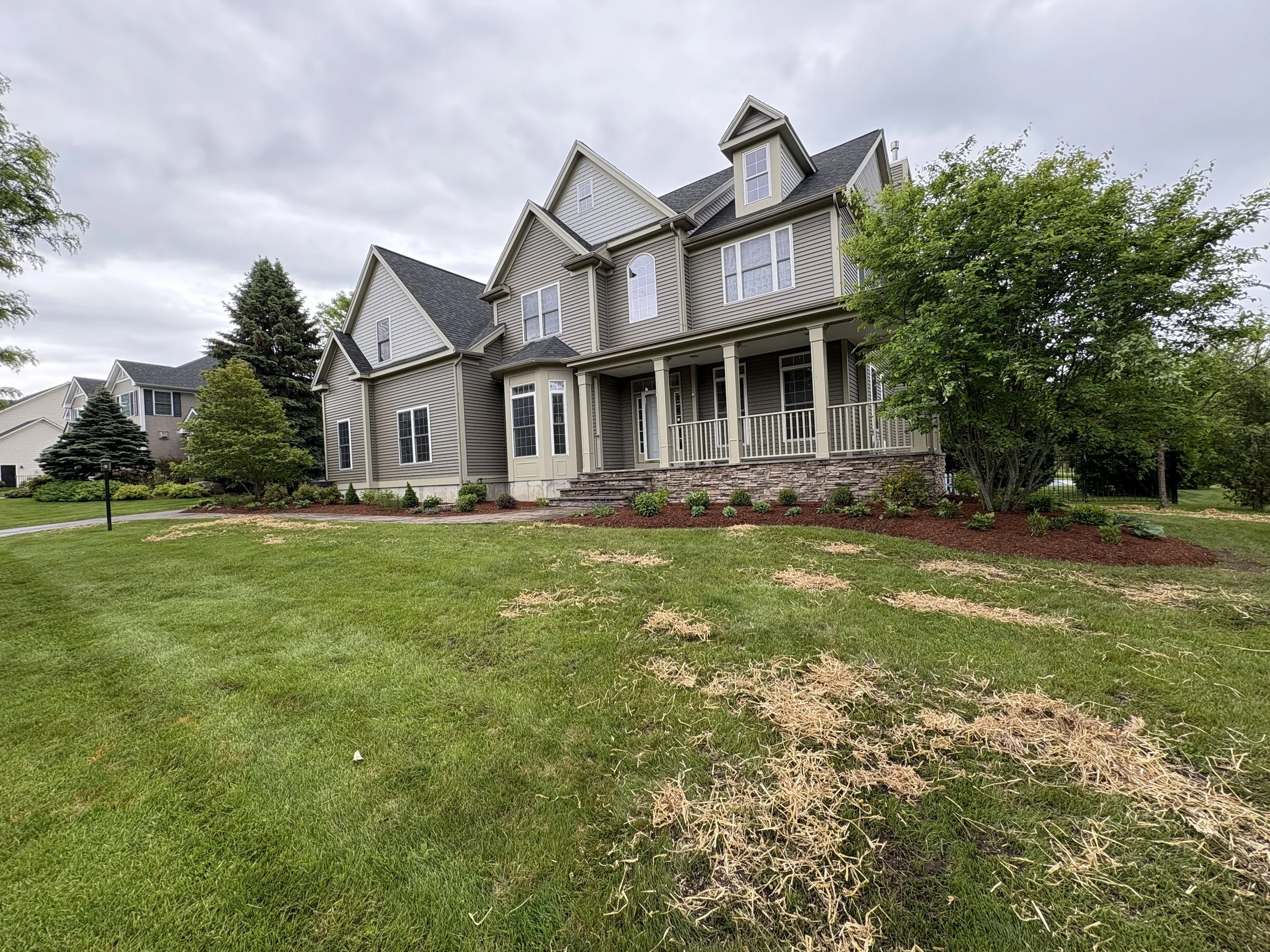
Common considerations include:
Durability in cold climates
Slip resistance for safety
Compatibility with surrounding elements
Long-term maintenance needs
Selecting the right materials ensures that patios, walkways, and structural features maintain their integrity and appearance over time.
Preparing for Installation
Before construction begins, careful planning ensures the installation process runs efficiently. This includes:
Finalizing design details
Confirming materials
Establishing timelines
Preparing the site for access and construction
This preparation helps reduce delays and ensures the project moves smoothly once work begins.
Bringing the Design to Life
The installation phase is where the transformation becomes visible. With a design-build approach, the same team that developed the plan is responsible for executing it.
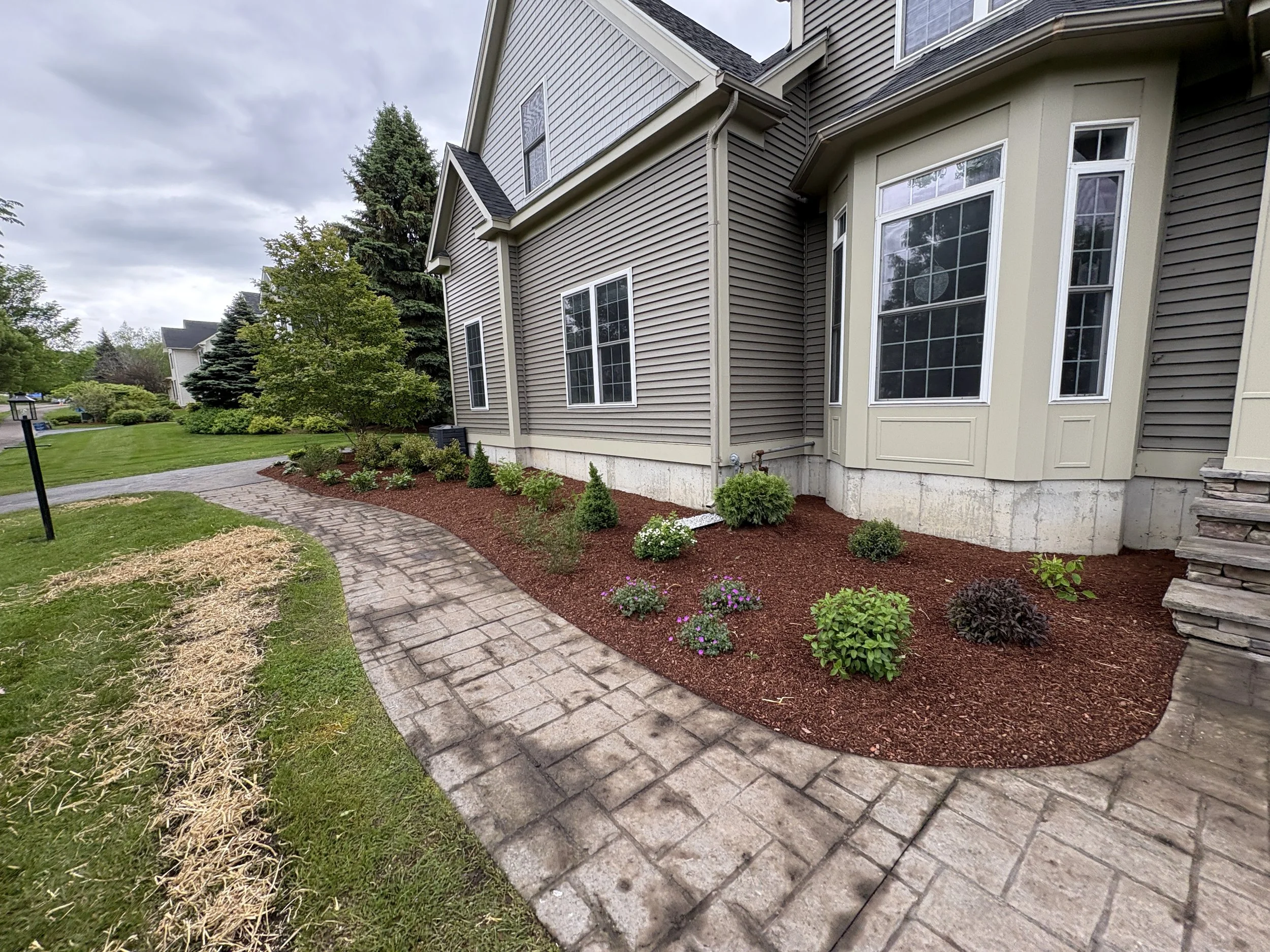
Key aspects of installation include:
Proper excavation and base preparation
Accurate grading and drainage
Precise placement of materials
Attention to detail throughout the build
Because the design is created with construction in mind, the transition from plan to finished project is more seamless.
Creating a Functional Outdoor Living Space
As installation is completed, the property begins to function in a new way. A once undefined yard becomes a purposeful outdoor environment.
The result may include:
A patio that serves as a central gathering space
Walkways that guide movement naturally
Retaining walls that create level, usable areas
A layout that feels organized and intentional
Each element contributes to a space that is both practical and enjoyable.
Built for Vermont’s Climate
A successful outdoor living space must do more than look good—it must perform over time. Landscape designing for Vermont’s climate means accounting for:
Seasonal ground movement
Snow load and ice
Water management and drainage
Long-term durability of materials
By addressing these factors during the design and installation process, the finished space is built to last.
Why the Design-Build Approach Matters
Transforming a yard into an outdoor living space involves many moving parts. A design-build approach simplifies the process by keeping everything under one team.
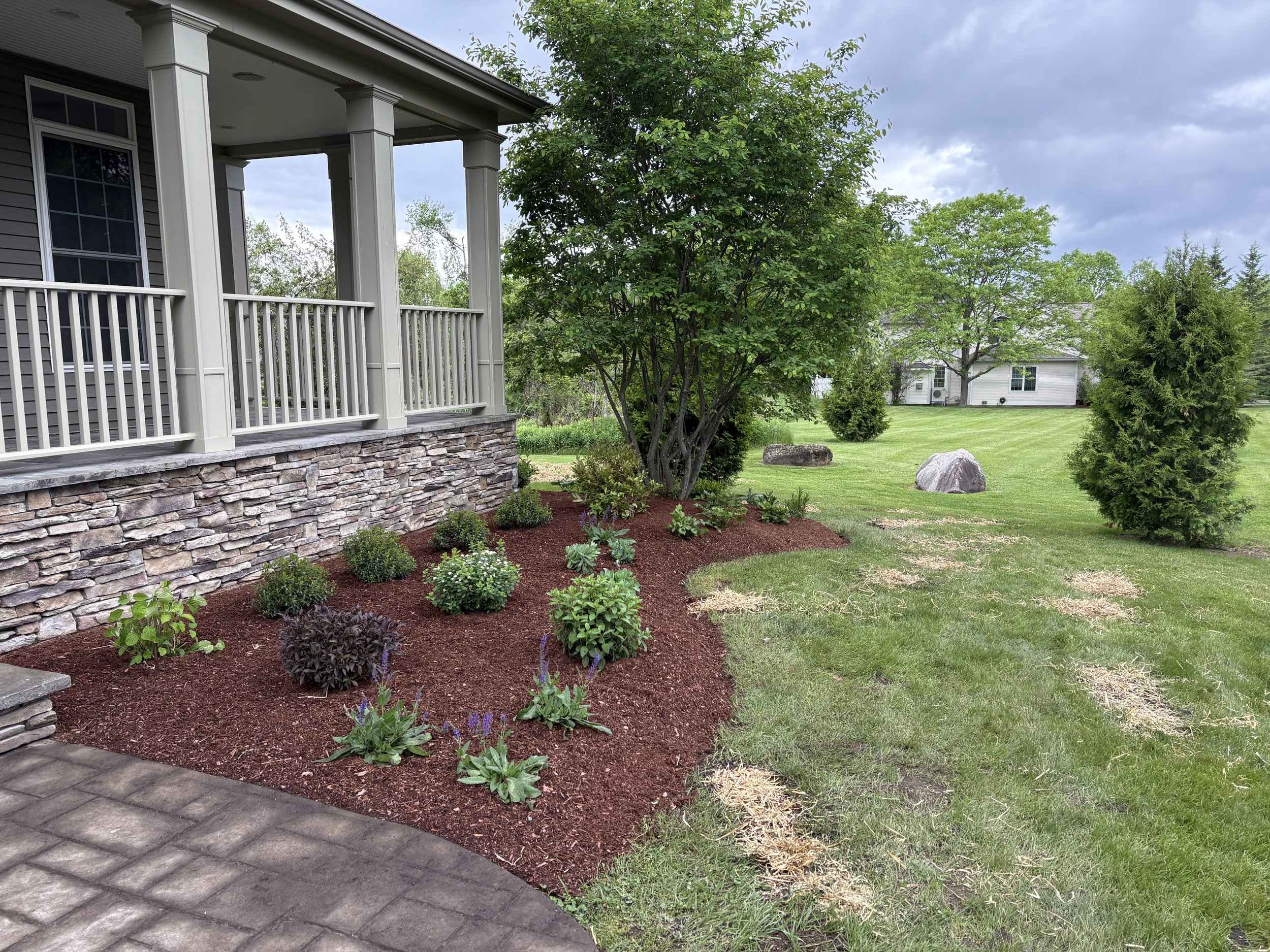
This approach offers:
Clear communication from start to finish
Designs grounded in real construction knowledge
Efficient project timelines
Greater consistency in the final result
Working with one team ensures the original vision is carried through every phase of the project.
Turning Potential into a Lasting Investment
A custom landscape design does more than improve appearance—it changes how a property is used and experienced. By combining thoughtful planning, durable materials, and professional installation, a yard can be transformed into a space that adds value and function for years to come.
If your outdoor space feels underused or lacks direction, a custom design may be the first step toward creating something more intentional and lasting.