From Drainage Problems to Beautiful Spaces: Solving Common Property Challenges
Every property has its own personality. Some are perfectly level and ready for a patio or garden. Others come with challenges that make outdoor spaces harder to enjoy. Standing water after a rainstorm, steep slopes that are difficult to mow, or sections of the yard that never seem to be usable are all common concerns for Vermont homeowners.
While these issues can be frustrating, they also present an opportunity. Many of the most successful landscape projects begin with solving a practical problem. Once those challenges are addressed, homeowners often discover they have the space for a patio, a retaining wall, new planting beds, or an outdoor living area they hadn't thought possible.
At Pinnacle Properties, landscape design starts by understanding how a property functions today and how it could function better tomorrow.
Looking Beyond the Symptoms
It's easy to focus on the visible problem. Water collects near the back door. The lawn washes out after heavy rain. One corner of the yard is always muddy. Those are the issues homeowners see every day, but they're usually symptoms of something happening beneath the surface.
Water follows the path of least resistance. If grading isn't working with the natural contours of the property, rain and snowmelt will find places to collect. Adding topsoil or reseeding a wet area may improve the appearance for a short time, but it rarely solves the underlying issue.
A professional landscape design begins with understanding how water moves across the property. That evaluation often reveals opportunities to improve drainage while creating spaces that are both attractive and functional.
Turning Slopes Into Usable Space
Vermont's rolling terrain is one of the reasons so many properties have beautiful views, but those same slopes can limit how a yard is used. A steep backyard may leave little room for entertaining, children's play areas, or even comfortable outdoor seating.
Rather than seeing elevation changes as a limitation, a thoughtful design uses them to create definition and purpose. Retaining walls can establish level terraces that become patios, gardens, or lawn areas while also helping stabilize soil and manage runoff.
The result feels intentional because the design works with the land instead of trying to force it into something it isn't.
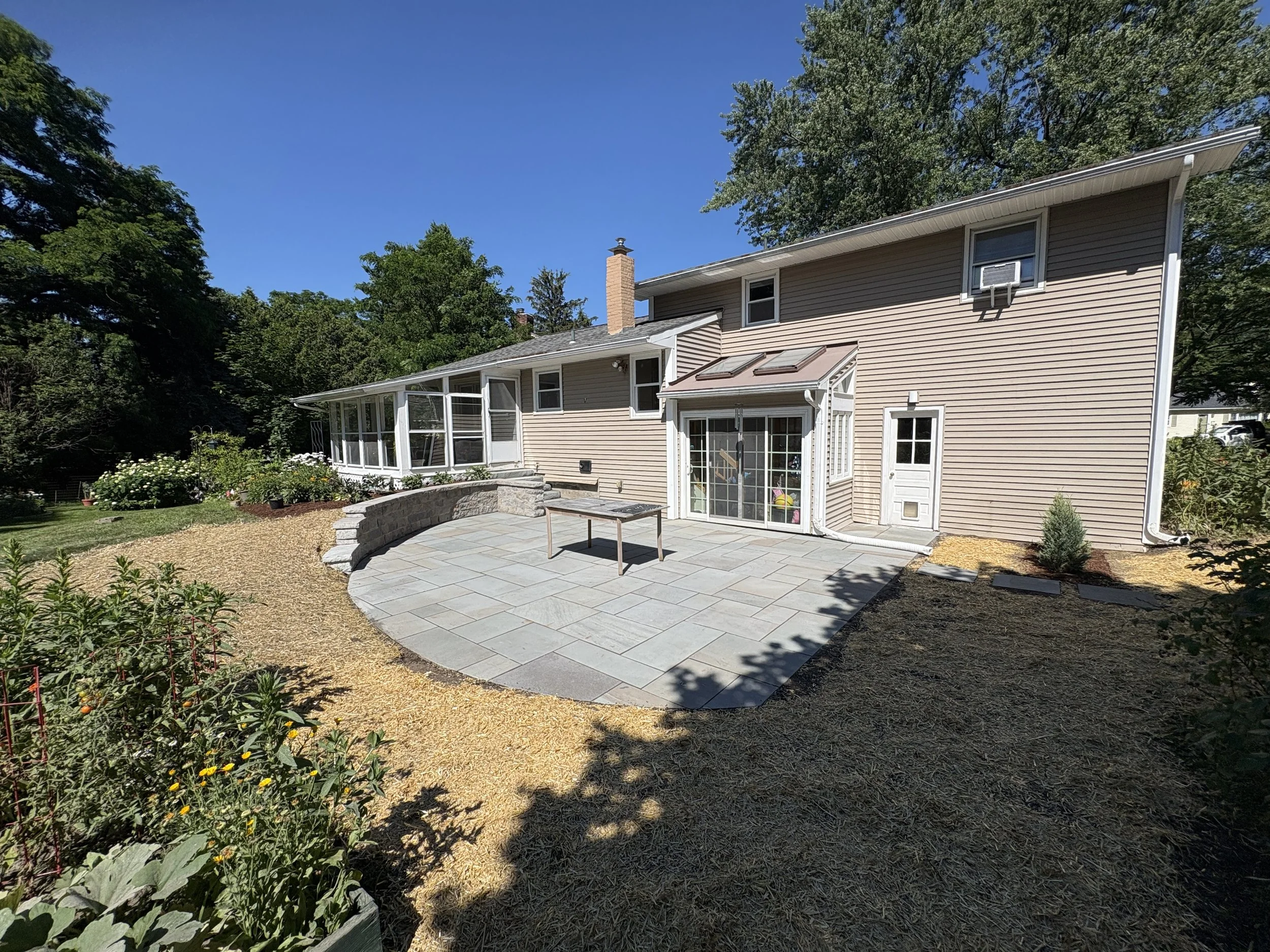
Erosion Is Easier to Prevent Than Repair
Small signs of erosion are often overlooked until they become much larger problems. Mulch washing into the driveway, exposed roots, or narrow channels forming after a storm may not seem urgent at first, but each heavy rain carries away more soil.
Addressing erosion early helps protect both the landscape and the investment you've made in it. Depending on the property, solutions may include grading adjustments, retaining walls, improved drainage, or strategically placed planting beds that help stabilize the soil.
These improvements often become attractive landscape features in their own right while quietly doing the important work of protecting the property.
A Better Layout Changes How You Use Your Yard
Sometimes the biggest challenge isn't drainage or elevation. It's simply that the yard doesn't work very well.
Many homeowners have plenty of outdoor space but no obvious place to gather, relax, or entertain. A patio may feel disconnected from the house, pathways may be missing altogether, or traffic naturally cuts across the lawn instead of following a defined route.
Landscape design solves these problems by organizing the property into spaces with a clear purpose. Walkways guide movement naturally. Patios become destinations rather than isolated features. Planting beds soften transitions between hardscape elements while creating visual interest throughout the property.
Good design makes a yard feel easier to use without making that improvement obvious.
Drainage and Design Should Never Be Separate Conversations
One of the biggest misconceptions about landscape projects is that drainage and aesthetics are two different jobs. In reality, they're closely connected.
A beautiful patio won't stay beautiful for long if water consistently collects underneath it. A retaining wall performs best when drainage is considered from the beginning. Even planting beds are healthier when excess water is managed properly.
That's why drainage should be part of the design process instead of an afterthought. Solving these issues early protects the finished project and helps ensure it performs as intended through Vermont's changing seasons.
Planning the Whole Property Pays Off
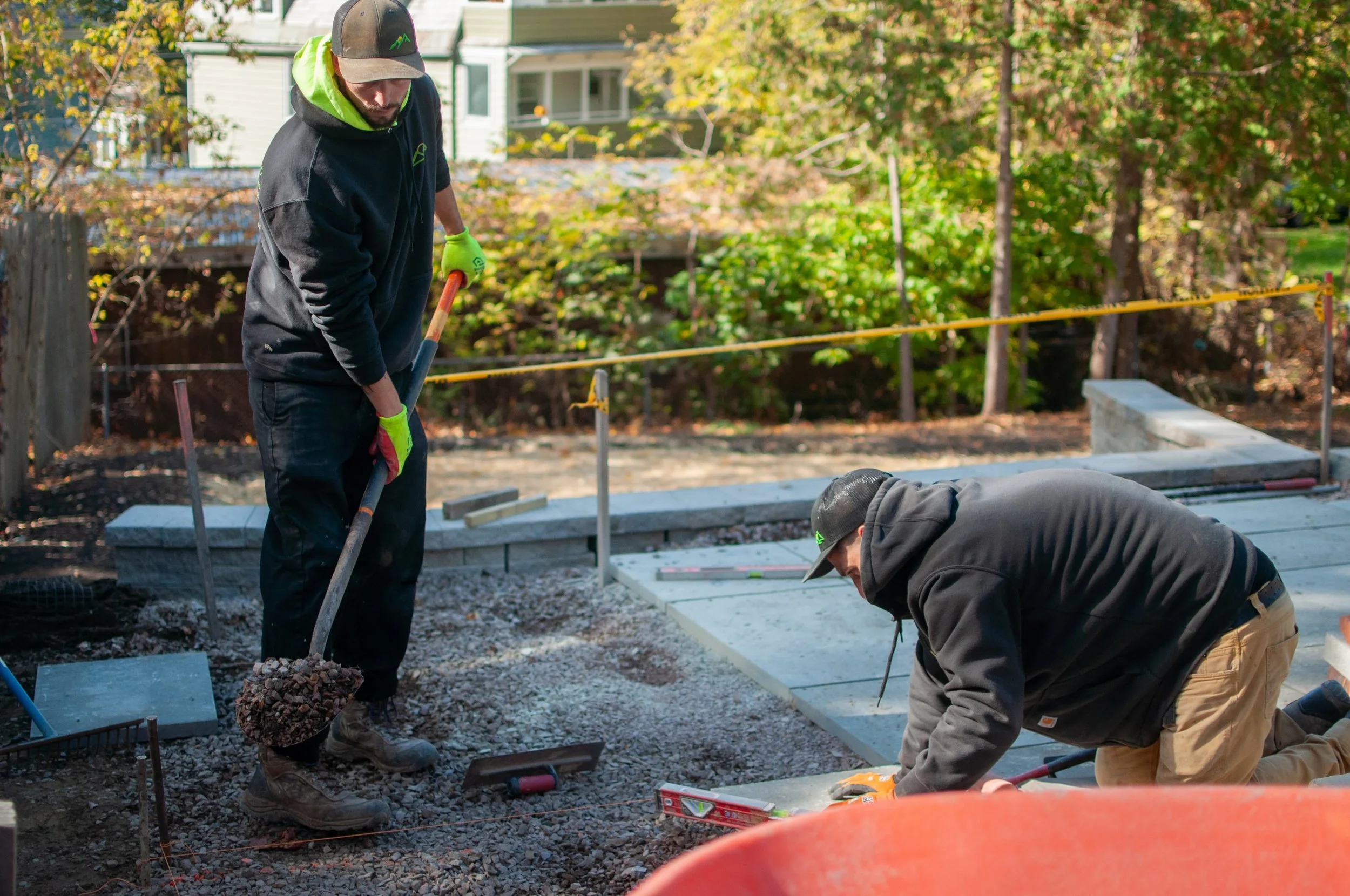
Landscape improvements often happen over several years. A homeowner may begin with drainage improvements, then add a patio the following season and expand the landscaping later.
Without an overall plan, each project is designed independently. Materials may not match, walkways may end abruptly, and future additions become more complicated than they need to be.
A landscape master plan keeps the long-term vision in focus. Even if construction happens in phases, every improvement contributes to a cohesive design that grows naturally over time.
Built Around the Way You Live
No two properties present exactly the same challenges, and no two homeowners have identical priorities.
Some families want a backyard that is easier to entertain in. Others are focused on improving curb appeal or making their property easier to maintain. Some simply want to solve persistent drainage issues that have been causing frustration for years.
Professional landscape design brings those goals together into one plan. The finished space should solve practical problems while creating an outdoor environment that feels comfortable, functional, and built specifically for the people who live there.
At Pinnacle Properties, every landscape project begins with understanding the property, identifying its challenges, and developing solutions that stand the test of time. By combining thoughtful design with quality craftsmanship, the result is more than a collection of landscape features. It's an outdoor space that works better every season.
Frequently Asked Questions
How can I tell if my property has a drainage problem?
Persistent standing water, soggy areas that don't dry out, soil erosion, mulch washing away, or water collecting near your home's foundation are all signs that drainage should be evaluated. Addressing these issues early can help prevent larger problems and create more usable outdoor space.
Can landscape design fix drainage issues?
Yes. Professional landscape design considers grading, water flow, drainage systems, and site conditions before construction begins. Solving these issues during the design phase helps protect patios, retaining walls, planting beds, and other landscape investments.
Do I need a retaining wall if my yard is sloped?
Not every sloped property requires a retaining wall, but they are often an effective solution for creating level spaces, reducing erosion, and improving drainage. A design consultation can determine whether a retaining wall is appropriate for your property.
Is it possible to solve drainage problems and improve curb appeal at the same time?
Absolutely. Many drainage solutions can be integrated into a complete landscape design. Features such as retaining walls, planting beds, walkways, and grading improvements can improve both the appearance and functionality of your property.
Can landscape improvements be completed over multiple years?
Yes. Many homeowners choose to complete projects in phases. Starting with a comprehensive landscape design ensures each phase fits into a long-term plan, making future improvements more seamless and cost-effective.
Why should I hire a design-build company for my landscape project?
A design-build company manages every stage of the project, from planning and design to construction. This creates a more efficient process, improves communication, and helps ensure the finished landscape functions as a cohesive whole.