How to Design a Low-Maintenance Landscape Without Sacrificing Style
A beautiful landscape shouldn't feel like a second job.
For many Vermont homeowners, the goal isn't to eliminate maintenance altogether. Lawns still need attention, plants need care, and outdoor spaces change with the seasons. The real goal is to create a landscape that looks intentional and inviting without requiring constant pruning, watering, weeding, and upkeep.
That starts with design.
The right layout, plant choices, hardscape materials, and drainage plan can make a significant difference in how much work a property requires over time. A landscape can still have plenty of character without being packed with high-maintenance gardens or features that require attention every weekend.
For homeowners considering a landscape installation, thinking about maintenance during the design stage can lead to a much more enjoyable property for years to come.
Start With How You Actually Use the Property
Before choosing plants or materials, it helps to consider how you spend time outside.
Do you want a place to sit with coffee in the morning? More room for family gatherings? A clear path from the driveway to the backyard? Or perhaps you'd rather spend your weekends enjoying the property instead of working on it.
These questions influence the design.
For example, a large planting bed may look beautiful, but it also creates more space to weed and maintain. A thoughtfully sized patio surrounded by a smaller number of well-chosen planting areas may provide the same visual impact while being considerably easier to care for.
Good landscape design isn't about filling every available space. It's about deciding which parts of the property deserve attention and giving those areas a clear purpose.
Use Hardscaping to Create Structure
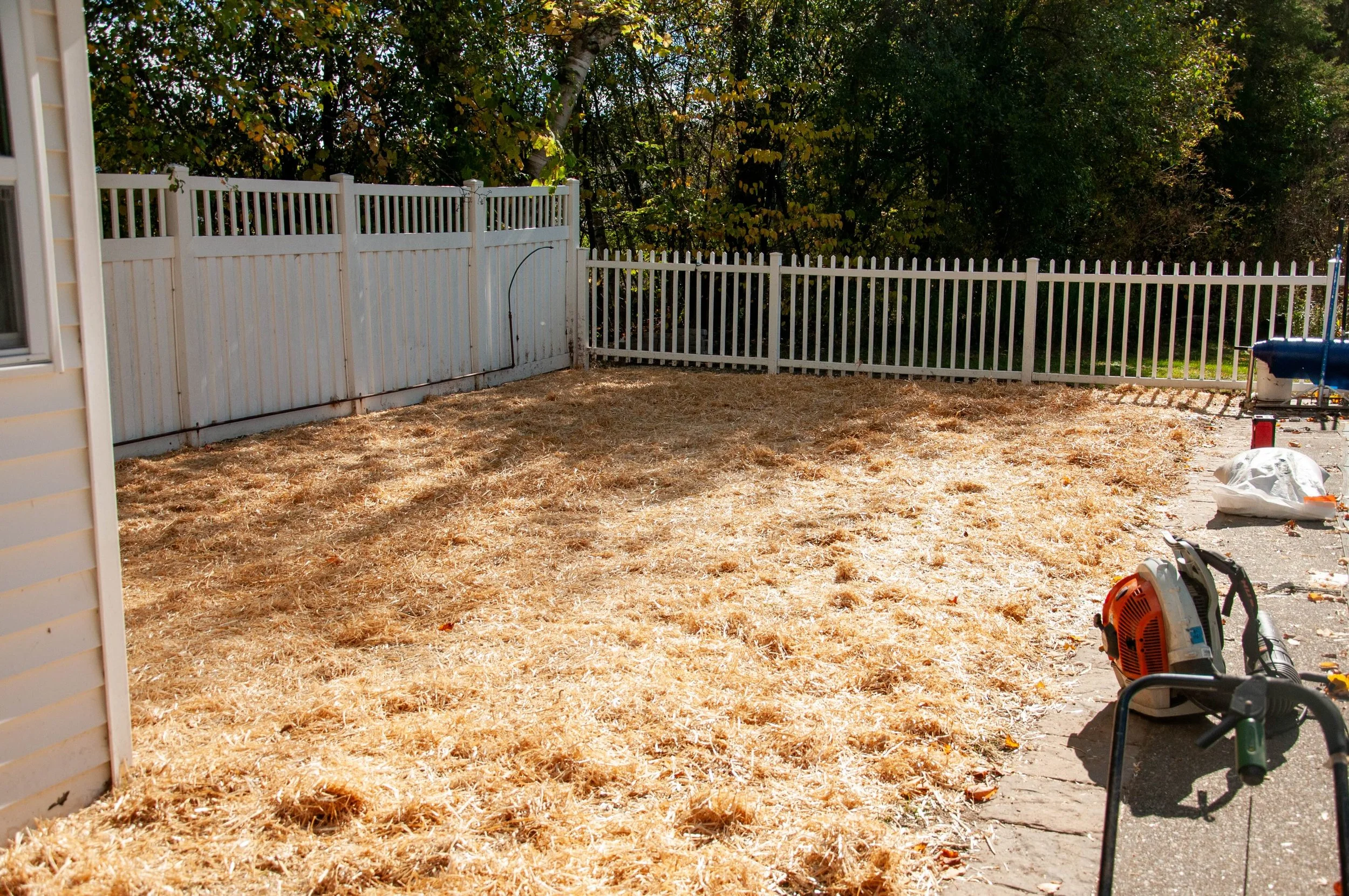
Hardscaping with the proper materials is one of the easiest ways to add visual interest without adding seasonal maintenance.
A well-designed walkway can define how people move through the property. A patio creates an outdoor destination. Retaining walls can help manage changes in elevation while creating usable areas for planting or gathering.
These features also provide structure throughout the year. When plants go dormant and the landscape is covered in snow, the stonework, walls, steps, and pathways remain part of the property's overall design.
Material selection matters, particularly in Vermont. Freeze-thaw cycles, snow, ice, and moisture can be hard on outdoor surfaces. Choosing appropriate materials and installing them correctly can help prevent premature settling, cracking, or other problems.
For homeowners planning a new installation, hardscaping can be a smart way to make the landscape feel finished without relying entirely on plant material.
Choose Plants for the Site, Not Just the Look
Plant selection is where many low-maintenance landscapes either succeed or become more work than expected. It's easy to fall in love with a plant at a nursery because it looks great in a container. The bigger question is whether it will be happy in your particular part of the property. Sun exposure, soil conditions, moisture, available space, and mature size all matter.
A plant that's well suited to the location is generally easier to manage than one that's constantly struggling. Putting a sun-loving plant in a shady area, for example, can lead to poor growth and additional maintenance. The same goes for planting something that will eventually outgrow its location and require regular pruning.
A professional landscape design takes those factors into account before plants go into the ground.
Give Plants Room to Grow
Plant spacing can have a surprising effect on maintenance.
When plants are installed too close together, they may look sparse at first. A few years later, however, they can become crowded and require regular pruning to keep pathways, windows, and other features clear. Planning for mature size helps avoid that problem.
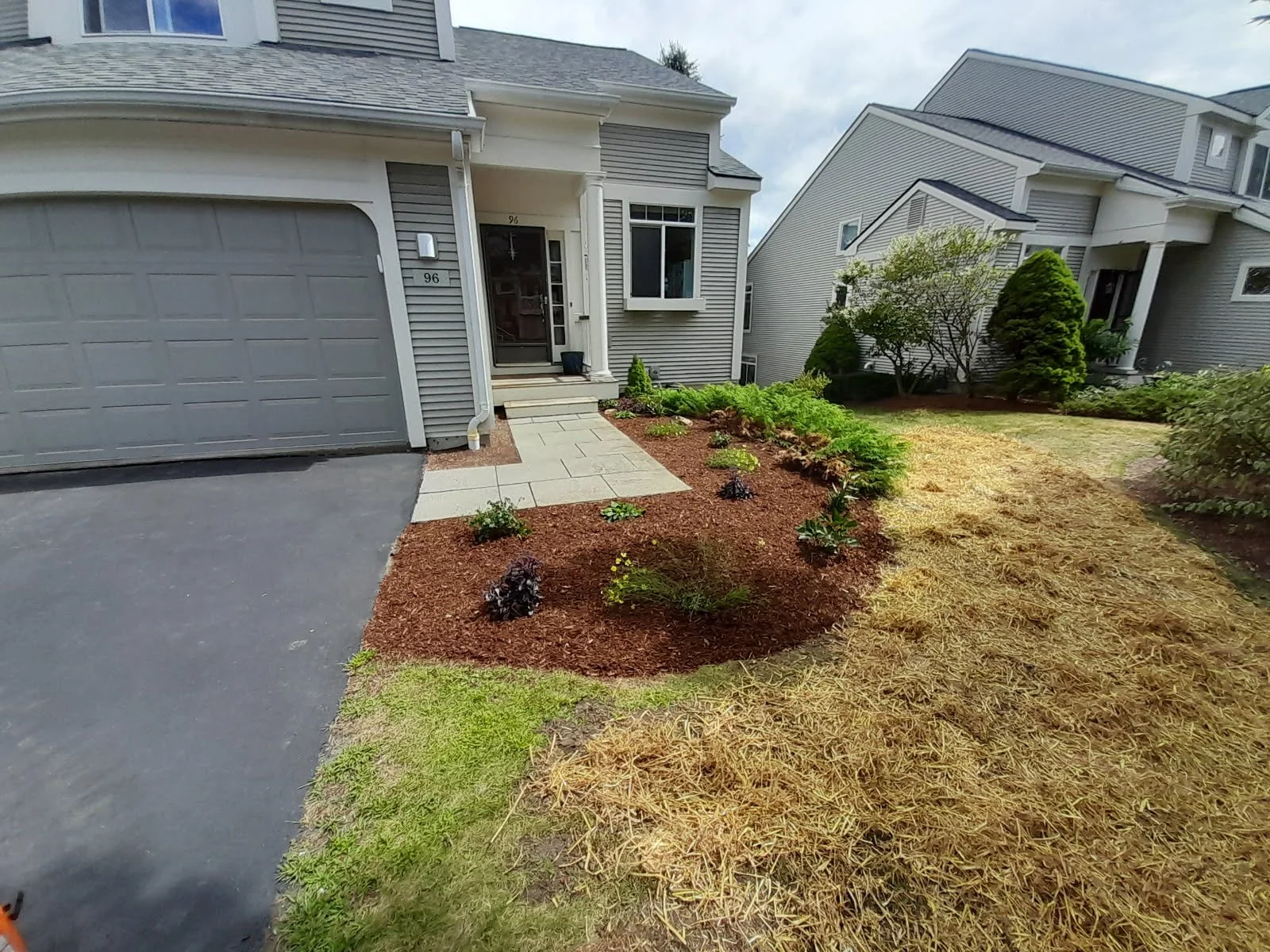
It also allows the landscape to change naturally as plants grow. A well-designed planting bed should look good when it's first installed while still having room for everything to reach its intended size.This is one of those decisions that may not be obvious on installation day, but it can make a significant difference several years down the road.
Make Lawn Areas Work Harder
A large lawn can provide open space for recreation and give a property a clean, classic appearance. But lawns also require regular mowing and seasonal care. The answer isn't necessarily to eliminate the lawn. Instead, consider whether every section of grass is actually serving a purpose.
A landscape designer can help identify areas where lawn makes sense and areas that could be better used as planting beds, walkways, patios, or other landscape features. Reducing unnecessary lawn can lower maintenance without making the property feel less open. In many cases, it actually makes the landscape feel more intentional.
Don't Overlook Drainage
Drainage may not be the first thing homeowners think about when they picture a beautiful landscape, but it can have a major impact on maintenance.
A low area that stays wet after rainfall can damage grass and plants, create muddy conditions, and make mowing difficult. Water running across a walkway can cause erosion or contribute to problems with hardscape over time.
Addressing drainage during the design process helps prevent these issues from becoming recurring maintenance problems. Grading, proper drainage systems, retaining walls, and planting areas can all be incorporated into the larger design. When they're planned together, the result is a landscape that looks better and works better.
Keep the Design Cohesive
Low-maintenance doesn't have to mean minimalist. You can still have texture, seasonal interest, color, and variety. The key is being selective.
Instead of using a different plant or material in every part of the property, repeating certain elements can create a stronger visual connection. The same stone used in a retaining wall might appear again along a walkway. Similar plant groupings can be repeated around different areas of the yard.
This creates a sense of consistency without requiring an enormous number of individual landscape elements. It also makes future maintenance easier because you're not trying to manage dozens of unrelated plant types and materials.
Think About the Landscape Five Years From Now
One of the biggest benefits of professional landscape design is being able to look beyond installation day.
A new landscape can look sparse during its first season. Plants need time to establish themselves. Trees and shrubs need room to mature. Hardscape features become more integrated into the property as the surrounding landscape develops.
Designing for that future growth prevents many common problems.
It also helps homeowners make better decisions about where to invest. A planting bed that looks small today may become a major feature as plants mature. A walkway that seems unnecessary now might become much more useful once the backyard is developed.
The landscape should have somewhere to go as your property and needs change.
Low Maintenance Doesn't Mean No Maintenance
Even the most thoughtfully designed landscape will require some care. Leaves need to be cleared. Plants occasionally need pruning. Lawns need seasonal attention. Hardscape areas benefit from periodic cleaning and inspection.
The difference is that a well-designed landscape shouldn't constantly be fighting against you.
Plants are placed where they can thrive. Drainage works properly. Walkways are easy to navigate. Hardscape features provide structure. Lawn areas have a purpose rather than simply filling whatever space is left over.
That's the kind of low-maintenance landscape most homeowners are really looking for.
Design With the Future in Mind
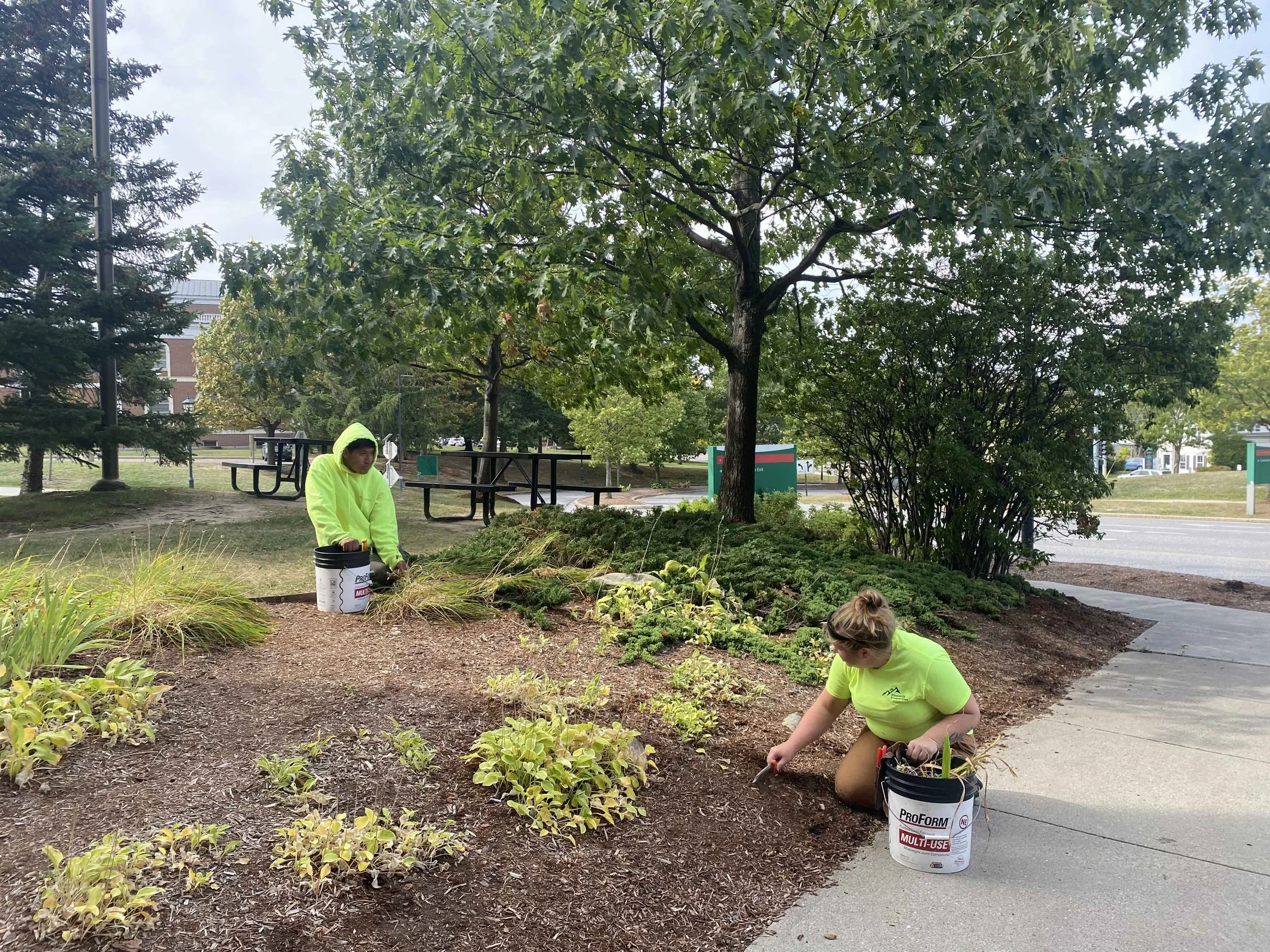
A landscape installation is a long-term investment, so it's worth considering how much time you're willing to spend maintaining it before construction begins.
At Pinnacle Properties, the design process takes the property itself into account, along with how homeowners want to use their outdoor spaces. That approach allows planting, hardscaping, grading, and other landscape elements to work together rather than being treated as separate projects.
The result can be a landscape that's easier to live with while still feeling custom and considered. For Vermont homeowners thinking about a new landscape installation, the best time to make maintenance easier is before the first shovel goes into the ground.
Frequently Asked Questions
What makes a landscape low-maintenance?
A low-maintenance landscape typically combines appropriate plant selection, thoughtful spacing, durable hardscaping, efficient use of lawn, and proper drainage. The goal is to reduce unnecessary upkeep while creating a landscape that remains attractive and functional.
Are low-maintenance landscapes boring?
Not at all. A low-maintenance landscape can include patios, walkways, retaining walls, trees, shrubs, ornamental plants, and other features. Good design is about selecting and arranging those elements carefully rather than eliminating variety.
What are some ways to reduce lawn maintenance?
Reducing unnecessary lawn areas is one option. Areas that aren't used for recreation or circulation can sometimes be replaced with planting beds, hardscape, or other landscape features that require less frequent maintenance.
How does landscape design reduce maintenance?
Professional design considers mature plant size, site conditions, drainage, circulation, material selection, and how the property will be used. Planning these details before installation can prevent problems that create additional work later.
Does hardscaping require less maintenance than landscaping?
Hardscaping generally requires less routine maintenance than many planted areas, although it isn't maintenance-free. Proper installation and appropriate material selection are important for helping patios, walkways, and retaining walls perform well over time.
Can I create a low-maintenance landscape in Vermont?
Yes. Vermont's climate should be considered during the design process, including seasonal weather, freeze-thaw cycles, soil conditions, and drainage. Selecting appropriate plants and materials for the site can help create a landscape that's both attractive and easier to maintain.