Curb Appeal That Lasts: Landscape Improvements That Make the Biggest Impact
First impressions happen before anyone steps inside your home. The driveway, front walk, landscaping, and entryway all shape how your property is perceived. For homeowners, those details influence daily enjoyment. For anyone planning to sell in the future, they also contribute to perceived value.
Many people assume improving curb appeal means planting a few shrubs or refreshing mulch every spring. While seasonal landscaping maintenance certainly helps, lasting curb appeal usually comes from thoughtful planning and permanent improvements that work together.
A well-designed landscape should look good in July, hold up through a Vermont winter, and still feel cohesive years after installation.
Start With the Parts of Your Property People Notice First
When someone arrives at your home, their attention naturally follows a path.
They notice:
The driveway
The front walkway
The entrance
Foundation plantings
Lawn condition
Overall organization of the property
If one of these elements feels neglected, it can distract from everything else you've invested in. Improving curb appeal often means strengthening the structure of the landscape before adding decorative touches.
Replace Worn Walkways
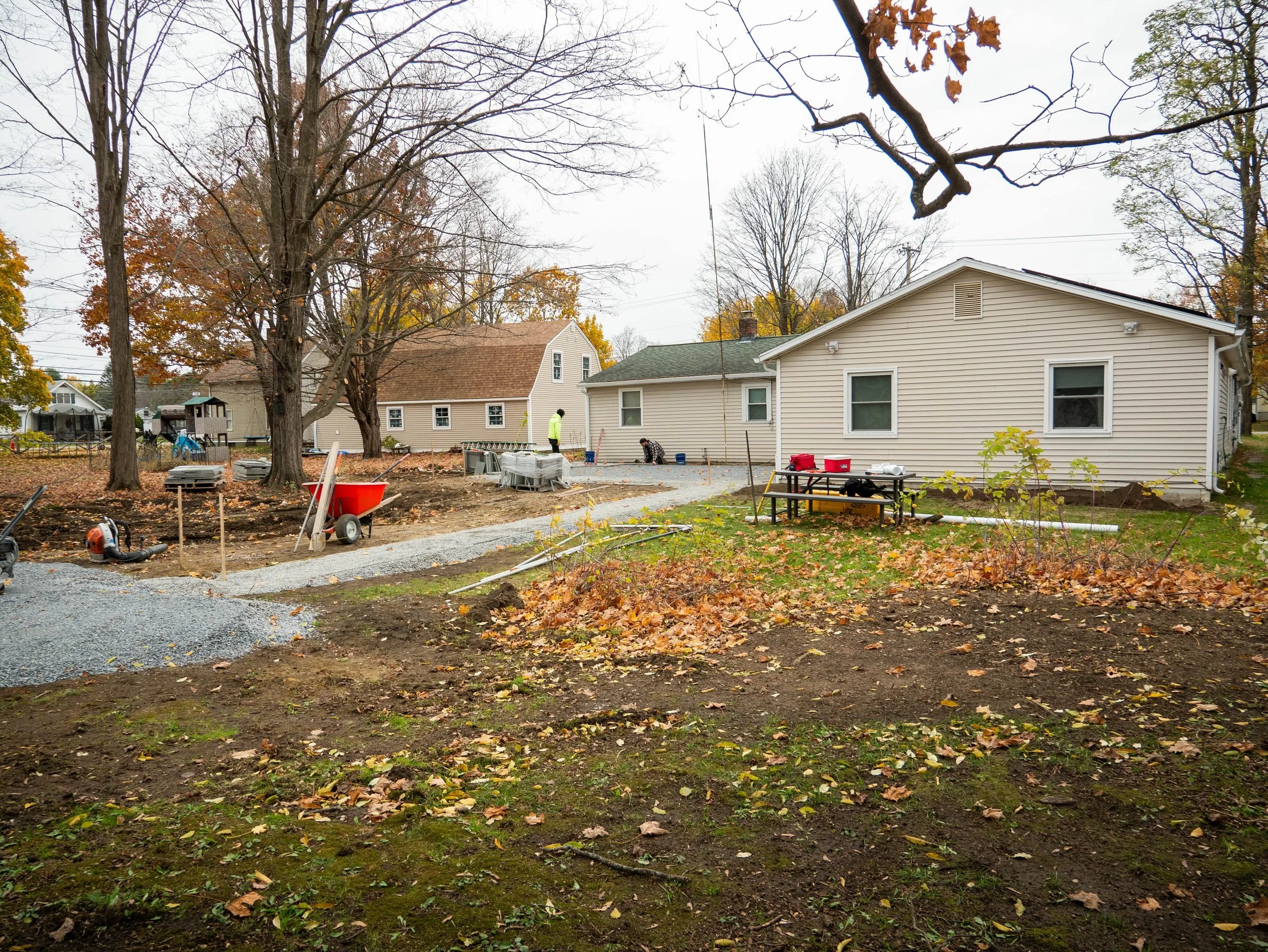
Front walkways receive daily use and gradually show their age. Cracked concrete, uneven pavers, or worn gravel don't simply affect appearance. They can also create safety concerns and make the property feel less maintained.
Replacing an outdated walkway with professionally installed pavers or natural stone creates a cleaner entrance while improving durability. It also gives visitors a clearer path to your front door and ties the landscape together.
Invest in a Front Entry That Feels Intentional
The entryway acts as the transition between your home and the landscape. A well-designed entrance doesn't need to be elaborate.
Simple improvements often have the biggest impact:
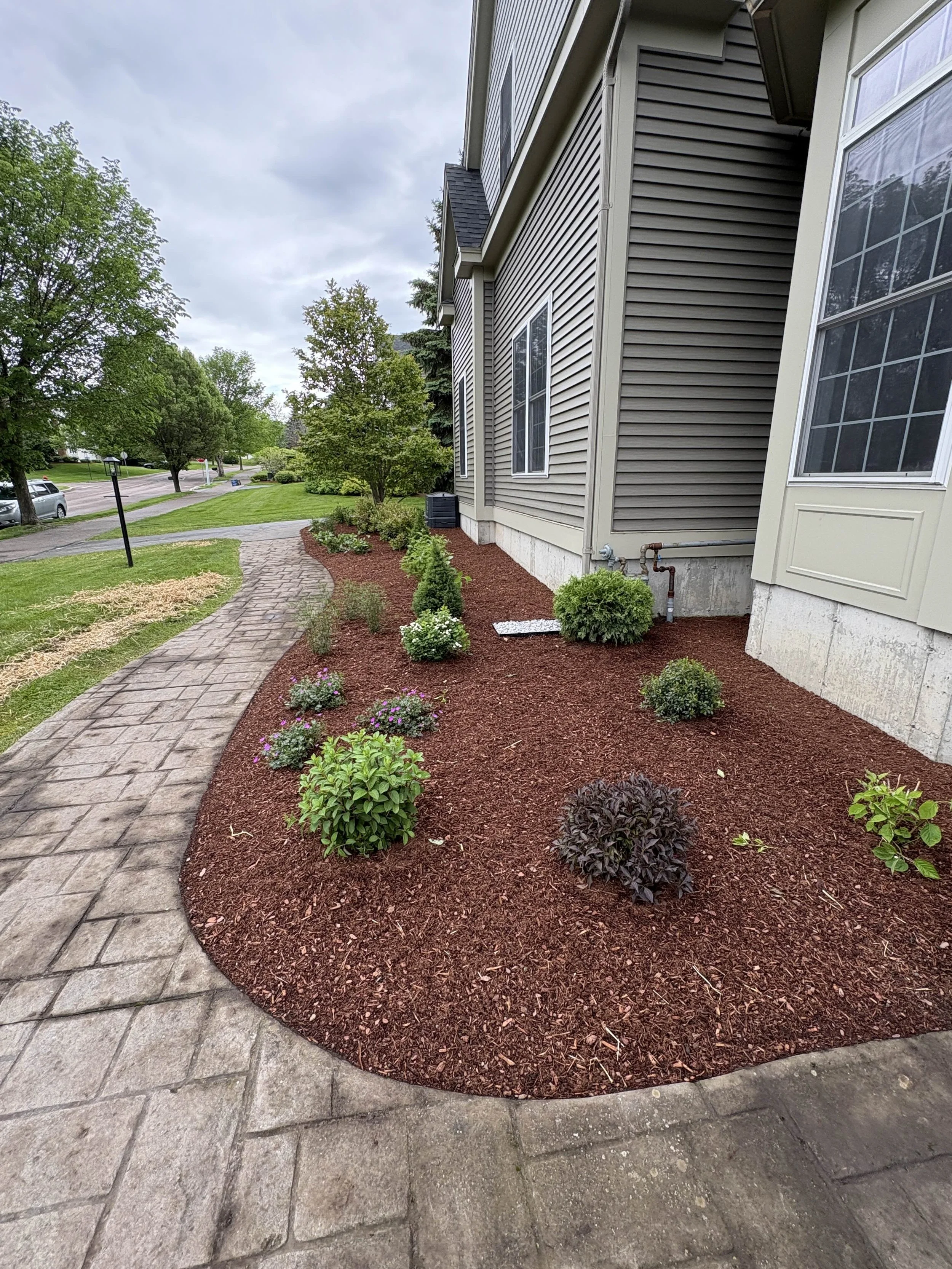
Defined planting beds
Quality stonework
Attractive edging
Coordinated materials
Healthy plantings
When these elements complement the home's architecture, the property feels finished rather than pieced together over time.
Build Planting Beds With Structure
One mistake homeowners often make is adding plants wherever there's empty space. Over time, those additions can create a landscape that feels cluttered instead of inviting.
Professional landscape design focuses on structure first.
That means considering:
Plant size at maturity
Seasonal interest
Spacing
Sightlines
Balance across the property
A landscape with fewer, well-placed plants often looks stronger than one filled with dozens of unrelated varieties.
Upgrade the Hardscapes
Hardscape features provide the framework for the entire landscape. Patios, retaining walls, stone borders, and walkways add definition that remains attractive throughout every season, even after the gardens have gone dormant.
Quality hardscape installations also perform well during Vermont's freeze-thaw cycles when they're designed with proper drainage and built using appropriate materials. Unlike annual plantings, these improvements continue adding value year after year.
Think Beyond the Front Door
While curb appeal begins at the street, it shouldn't stop there. Driveways that connect naturally to walkways, side yards that are easy to navigate, and outdoor living spaces that feel connected to the home all contribute to the overall experience of the property. The best landscapes feel complete from every angle.
Improve Grading and Drainage
Water has a way of exposing problems over time. Pooling water, erosion, and saturated planting beds can undermine both the appearance and performance of a landscape.
Addressing drainage as part of a larger landscape project protects your investment and creates healthier growing conditions for plants while helping hardscape features last longer. It's one of the least visible improvements you can make, yet it often has the greatest long-term benefits.
Choose Materials That Age Well
Some materials continue looking better with time. Others require frequent repairs or replacement. For Vermont properties, durable choices such as natural stone, quality concrete pavers, and engineered retaining wall systems tend to perform well through changing seasons.
Selecting materials based on longevity instead of short-term trends often produces better results over the life of the landscape.
Plan the Entire Property
It's common for homeowners to tackle one project at a time.
A patio this year.
New planting beds next year.
Retaining walls sometime after that.
Without an overall plan, those improvements may not connect visually or functionally. Professional landscape design establishes the long-term vision first, making it easier to complete projects over several seasons without sacrificing consistency.
Professional Design Makes Every Improvement Work Harder
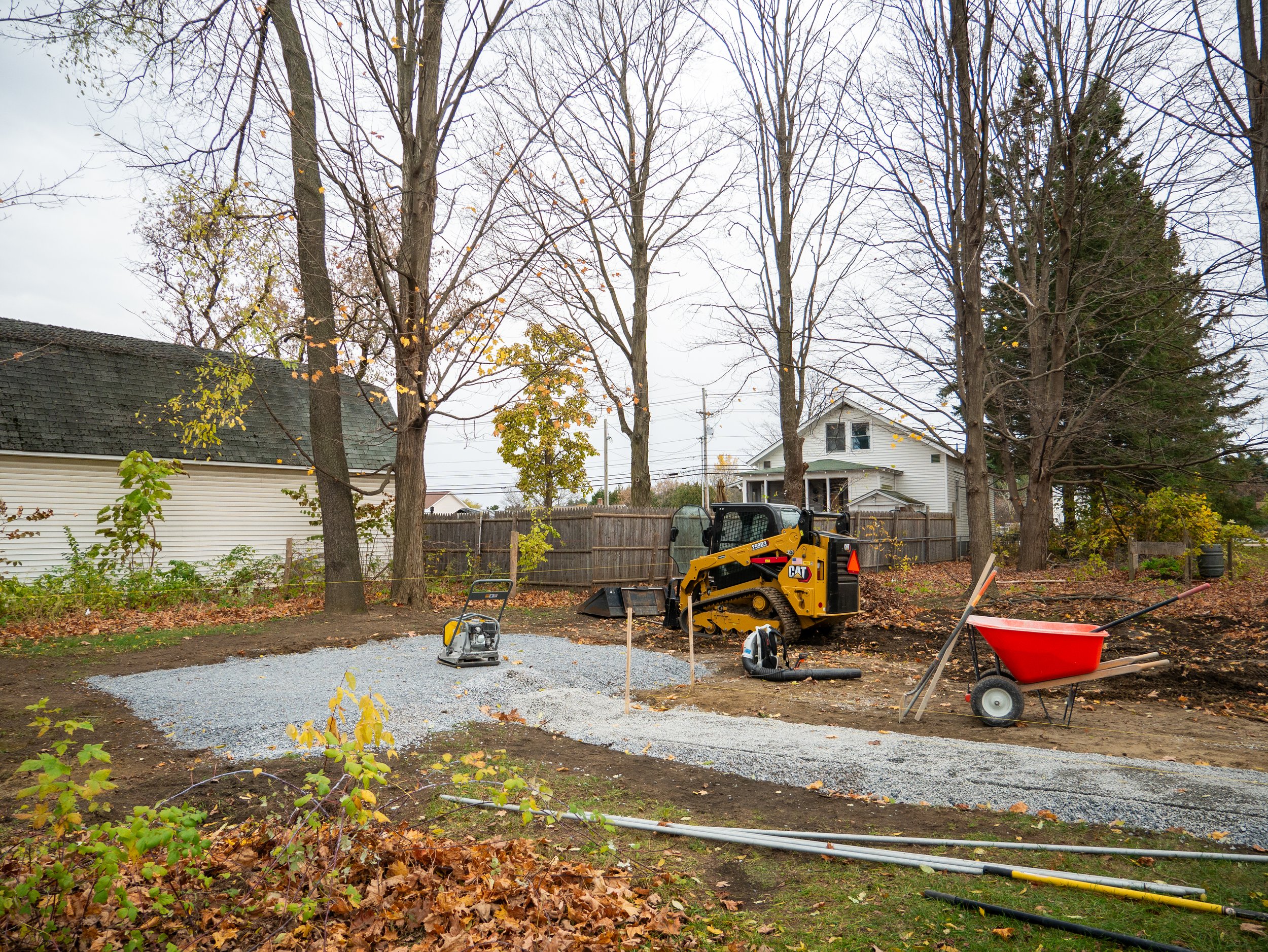
The difference between a collection of projects and a cohesive landscape usually comes down to planning. A design-build approach considers how every feature relates to the others before construction begins.
Walkways align with patios.
Plantings soften stonework.
Retaining walls solve grading challenges while becoming part of the overall design.
The finished property feels balanced because every decision supports the next one.
A Landscape That Keeps Giving Back
Some home improvements become outdated quickly.
A thoughtfully designed landscape tends to mature over time. Trees fill in. Gardens become established. Stonework develops character.
Outdoor spaces become part of everyday life, whether you're relaxing on the patio after work or welcoming friends for a summer gathering. That's why landscape improvements continue to deliver value long after construction is complete.
For homeowners planning to invest in their property, starting with a comprehensive design creates a stronger foundation than approaching projects individually.
At Pinnacle Properties, every landscape design is developed around the property's unique characteristics, the homeowner's goals, and Vermont's climate. The result is an outdoor space that looks natural, functions well, and is built to last.
Frequently Asked Questions
Which landscape improvements add the most curb appeal?
Walkways, front entry landscaping, patios, retaining walls, healthy planting beds, and professionally designed hardscapes often provide the biggest visual impact while improving functionality.
Does professional landscaping increase property value?
A well-designed landscape can improve curb appeal, increase usable outdoor space, and make a property more attractive to future buyers.
Should I replace my walkway before updating my gardens?
If the walkway is cracked, uneven, or no longer complements your home, replacing it first often creates a stronger foundation for future landscaping improvements.
Why is hardscaping important for curb appeal?
Hardscape features provide year-round structure and definition. They continue adding visual interest even during Vermont's winter months when plants are dormant.
Can I improve my landscape over several years?
Yes. Many homeowners complete projects in phases. Starting with a professional landscape design helps ensure each phase fits into the overall plan.
What landscape improvements work best in Vermont?
Natural stone patios, paver walkways, retaining walls, thoughtfully designed planting beds, and drainage improvements are all well-suited to Vermont's climate and seasonal conditions.
Still have questions? Check out our post on Questions to Ask Before Starting a Landscaping Project.