As temperatures drop in Vermont, many homeowners shift their attention from outdoor improvements to projects inside the house. Landscaping and exterior renovations may have to wait for warmer weather, but winter offers an opportunity to refresh the spaces where you're spending more of your time.
Interior painting is one of the simplest ways to make a noticeable improvement without undertaking a major renovation. Fresh paint can brighten a dark room, update an outdated color scheme, restore worn surfaces, and make an entire home feel better maintained.
Whether you're considering a single-room refresh or a larger interior update, the colder months can be a practical time to schedule professional painting.
Why Winter Is a Good Time for Interior Painting
During spring and summer, homeowners often have a long list of outdoor projects competing for their attention. Lawn care, landscaping, patios, exterior maintenance, and other seasonal improvements tend to take priority.
Winter provides an opportunity to address interior projects that have been put off throughout the year. Completing them during the colder months can also free up time for outdoor improvements once spring arrives.
Unlike exterior painting, interior projects can generally be completed throughout the year, provided indoor temperatures, humidity, and ventilation are suitable for the products being used. With proper preparation and working conditions, winter can be a productive time to improve the inside of your home.
Refresh Your Living Room
The living room is often one of the most frequently used spaces in the house, particularly during Vermont's longer winters. Over time, walls can develop scuffs, marks, faded areas, and other signs of everyday wear.
A fresh coat of paint can make the room feel cleaner while bringing attention back to architectural features, furniture, and natural light.
If the room receives limited sunlight during winter, consider colors that work well with both natural and artificial lighting. Warm neutrals, soft whites, and muted earth tones can create a comfortable atmosphere without making the space feel too dark.
Before committing to a color, it's helpful to see how it looks at different times of day. A shade that appears bright and neutral in the afternoon may feel considerably warmer under evening lighting.
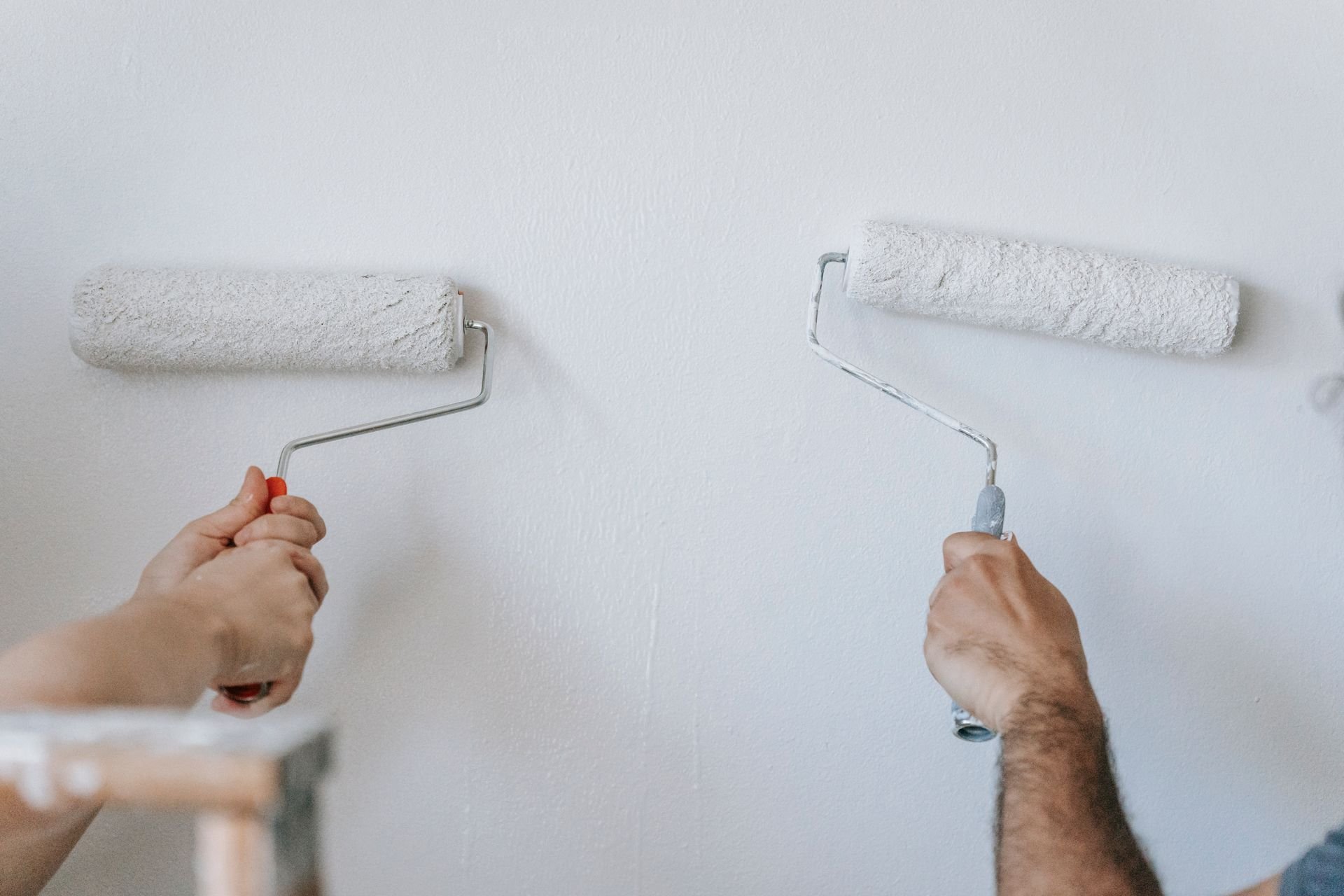
Give Bedrooms a More Relaxing Feel
Bedrooms are another practical choice for winter painting projects. Because these spaces are generally separated from the main living areas, they can often be updated with less disruption to the rest of the household.
Soft greens, muted blues, warm grays, and neutral tones can help create a quieter atmosphere. However, the right color depends on the room's lighting, flooring, furnishings, and personal preferences.
If the bedroom hasn't been painted in several years, refreshing the ceiling and trim alongside the walls can make a particularly noticeable difference. Older trim may have accumulated scratches or discoloration that become more apparent once the surrounding walls have been updated.
Considering the entire room rather than just the wall color helps create a more consistent finished appearance.
Update Hallways and Entryways
Hallways, mudrooms, and entryways experience some of the heaviest daily use in a Vermont home. During winter, these areas are especially busy as family members come and go with boots, coats, bags, and outdoor equipment.
The walls often show the effects of that activity through scuffs, scratches, and general wear.
Refreshing these spaces can make the home feel better maintained from the moment someone walks through the door. Choosing an appropriate, washable paint finish can also make routine cleaning easier in areas where walls are frequently touched.
Entryways deserve particular attention because they connect the home's exterior appearance with the interior. A well-maintained entrance can create a welcoming first impression that complements the property's overall winter curb appeal.
Repaint Trim, Baseboards, and Interior Doors
You don't necessarily need to repaint every wall to make a room look refreshed.
Trim, baseboards, window casings, and interior doors can accumulate years of wear. Small chips, scratches, and discoloration may not seem significant individually, but together they can make a space look older than it is.
Repainting these details can restore definition around windows and doorways while creating cleaner transitions between walls, floors, and ceilings.
A professional finish is especially valuable on trim and doors, where uneven application, brush marks, and imperfections tend to be more noticeable. Proper preparation and attention to detail help these smaller features contribute to a more polished interior.
Brighten Kitchens and Dining Areas
Kitchens and dining rooms are often at the center of household activity during winter. Holiday gatherings, family meals, and more time spent cooking indoors can make homeowners particularly aware of areas that need attention.
Repainting kitchen walls can update the space without replacing cabinetry, countertops, or appliances. A new color may also help existing finishes feel more cohesive.
When choosing paint for kitchens and dining areas, consider how easily surfaces can be cleaned and how the color works with fixed materials such as countertops, flooring, backsplash tiles, and cabinetry.
It's usually easier and more economical to choose a paint color that complements these existing features than to change several other elements to accommodate a new wall color.
Create a More Functional Home Office
For homeowners who work remotely, winter can mean spending even more time in a home office. If the space was originally a spare bedroom or an underused corner of the house, its appearance may not reflect how frequently it's now being used.
Repainting can help define the room as a dedicated workspace while making it feel more comfortable and organized.
Neutral colors can create a clean backdrop, while deeper or more saturated tones may add character to a larger room. Lighting should also influence color selection, particularly if the space is used for video calls or receives limited natural daylight.
A fresh paint job can be a relatively straightforward way to improve a room that has become an important part of everyday life.
Don't Overlook the Ceiling
Ceilings are easy to overlook because they aren't usually the first thing people notice when entering a room. Over time, however, they can become discolored, uneven in appearance, or noticeably dull compared with freshly painted walls.
Repainting a ceiling can help brighten the entire space, particularly in rooms with limited natural light.
If you're already planning a larger interior painting project, consider whether the ceilings need attention at the same time. Completing both together can create a more uniform finish and avoid having older surfaces stand out against newly painted walls.
Any staining caused by moisture or leaks should be investigated and addressed before repainting.
Choose Paint Colors With Vermont's Winter Light in Mind
Natural light changes considerably throughout the year in Vermont. Shorter days, overcast skies, snow reflection, and the angle of the winter sun can all influence how interior paint colors appear.
Rooms that feel bright and airy in July may seem cooler or darker in December.
Rather than choosing colors from a small sample under store lighting, consider testing them on the actual walls. Look at the samples in the morning, afternoon, and evening, with the room's usual lighting turned on.
It's also worth considering how colors will work throughout the rest of the year. A warm, inviting shade during winter should still feel appropriate once summer sunlight returns.
Proper Surface Preparation Makes a Difference
One of the most important parts of any interior painting project happens before the paint is applied.
Walls may need cleaning, minor repairs, sanding, or priming depending on their condition. Trim and doors may require additional preparation to achieve a smooth, consistent finish.
Painting over damaged or poorly prepared surfaces can make existing imperfections more noticeable and affect how well the new coating performs.
Professional painting services can help address these details as part of the project, creating a better foundation for the finished work.
Consider Temperature and Ventilation
Although interior painting can be completed during winter, working conditions still matter.
Paint manufacturers typically specify recommended temperature, humidity, and ventilation conditions for application and drying. Maintaining an appropriate indoor environment helps the paint perform as intended.
Adequate ventilation is also important, even when it's cold outside. The right approach depends on the products being used, the layout of the home, and outdoor conditions.
Low-VOC paint options may help reduce exposure to certain paint-related emissions, although appropriate ventilation is still necessary.
Working with a professional painting team can help homeowners navigate these considerations without unnecessarily disrupting the comfort of the home.
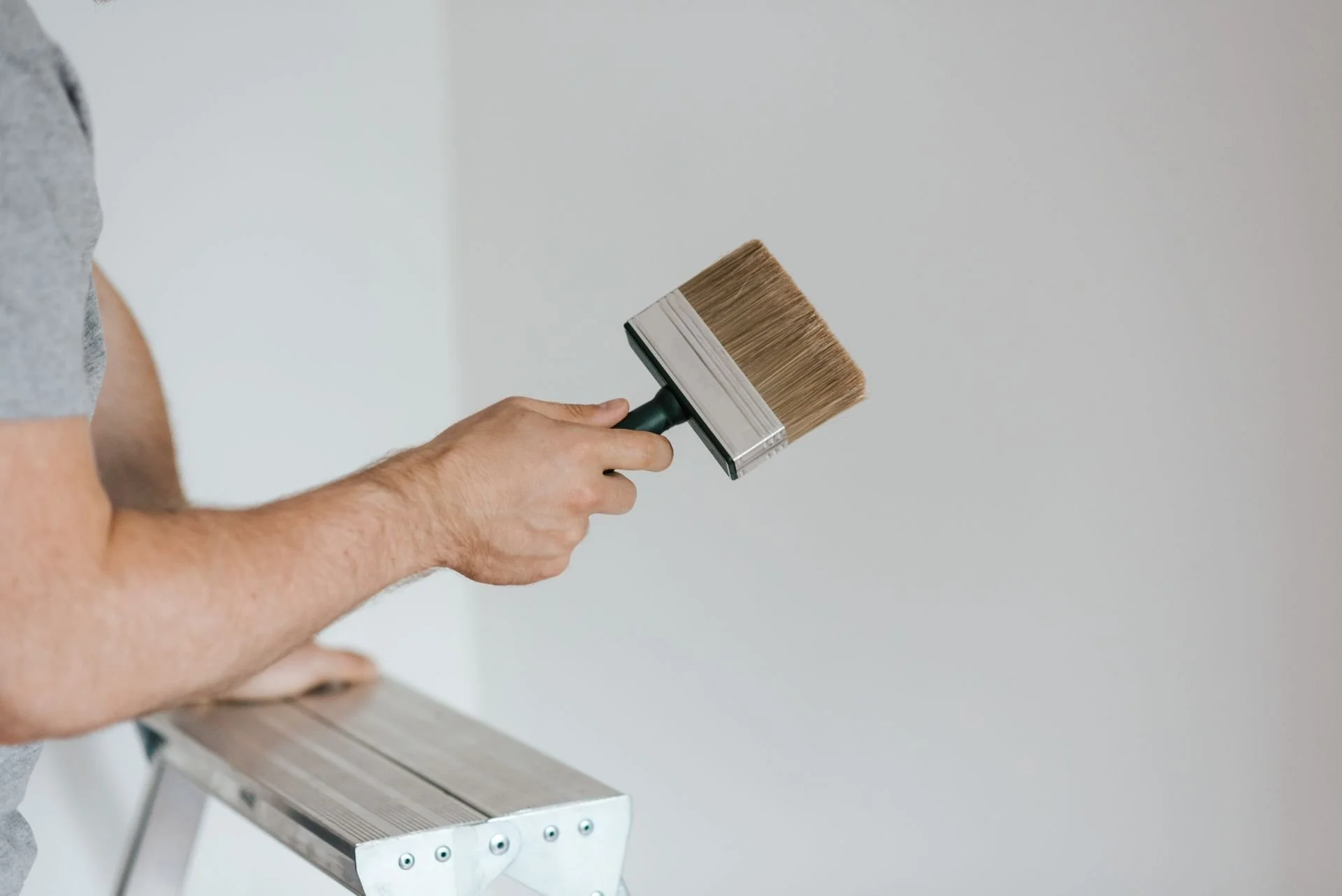
Plan Interior Painting as Part of a Larger Property Update
Winter painting projects can also be part of a broader plan to improve your property throughout the year.
You might refresh the interior during winter, update the exterior when temperatures become suitable, and move forward with new landscaping or hardscaping in spring.
Breaking improvements into seasonal projects can make them easier to manage while allowing each one to receive the attention it deserves.
For homeowners who are also considering outdoor improvements, winter can be a useful time to begin the landscape design process while completing interior updates.
By the time warmer weather arrives, the inside of the home can already feel refreshed, leaving more time to focus on the outdoor spaces.
Frequently Asked Questions About Winter Interior Painting
Can you paint the inside of a house during winter?
Yes. Interior painting can generally be completed during winter as long as indoor temperatures, humidity, ventilation, and other conditions meet the paint manufacturer's requirements.
What rooms are best to paint during the colder months?
Living rooms, bedrooms, hallways, entryways, kitchens, dining rooms, and home offices are all suitable winter painting projects. The best place to start depends on the condition of the surfaces and your priorities.
Does interior paint take longer to dry in winter?
Drying time depends on the paint product, indoor temperature, humidity, and airflow. Maintaining suitable indoor conditions can help paint dry and cure properly during colder weather.
Should I repaint my trim and ceilings when painting the walls?
It depends on their condition. Refreshing trim, baseboards, doors, and ceilings alongside the walls can create a more consistent appearance, particularly if those surfaces haven't been painted in several years.
What paint finish is best for high-traffic areas?
Washable eggshell and satin finishes are often suitable for hallways, entryways, and other frequently used areas. The best choice depends on the surface, paint product, and desired appearance.
Do I need to move all my furniture before professional painting begins?
Furniture should generally be moved away from the surfaces being painted and protected appropriately. Preparation requirements can vary depending on the size and scope of the project.
Give Your Home a Fresh Start This Winter
The colder months don't have to put property improvements on hold. Interior painting offers a practical opportunity to update tired rooms, restore worn surfaces, and make your home a more enjoyable place to spend time.
Whether you're refreshing a bedroom, updating your main living areas, repainting trim, or planning a larger interior transformation, professional preparation and quality workmanship can make a noticeable difference.
Pinnacle Properties provides professional painting and property improvement services for homeowners in Chittenden County, Vermont. From refreshing interior spaces to planning improvements for the warmer months, our team can help keep your property looking its best throughout the year.
Explore our professional painting services or contact Pinnacle Properties to discuss your next interior painting project.